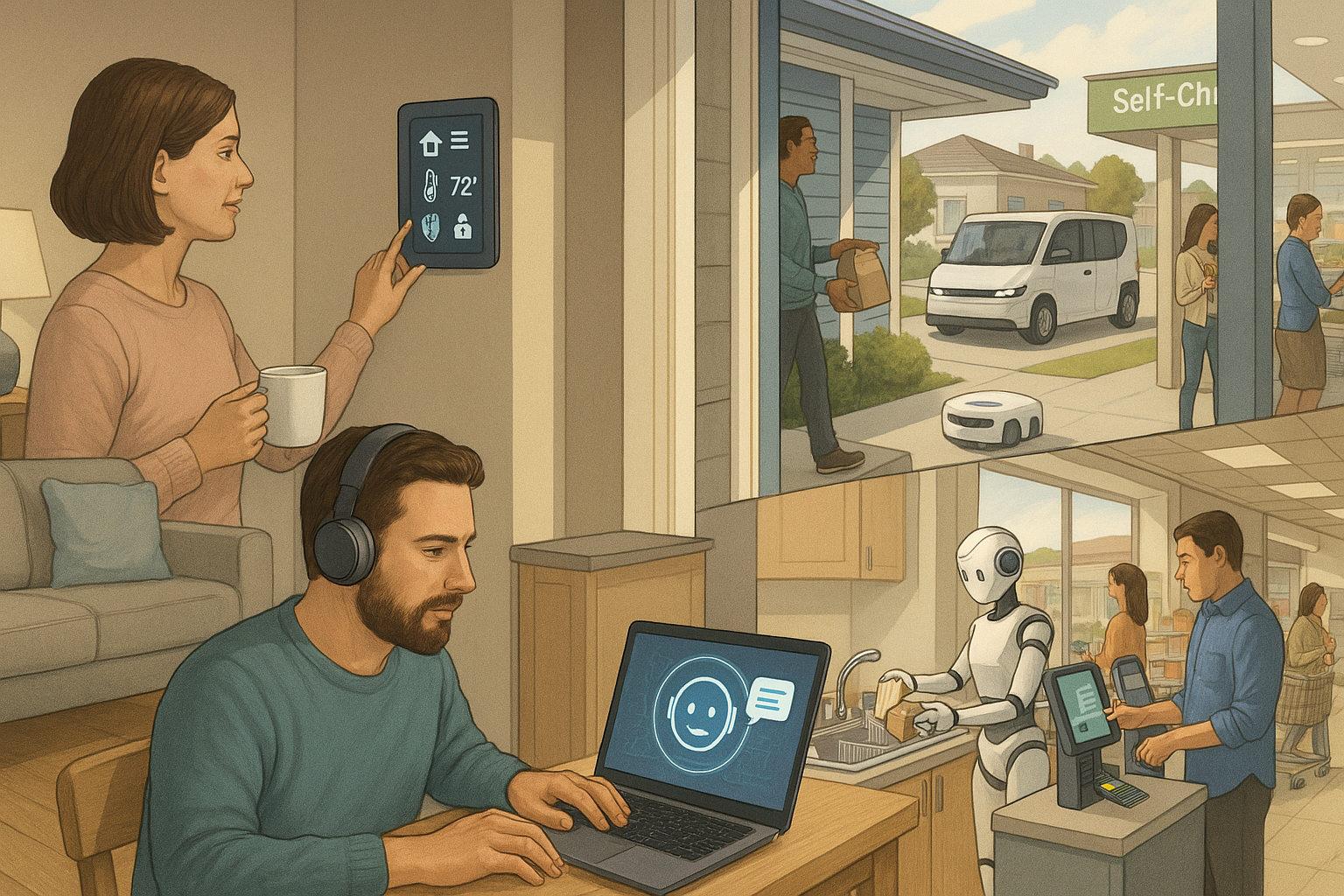
Automation is no longer a distant concept from science fiction. It is already woven into the fabric of everyday life — from the smart devices in your home to the robots on factory floors. Whether you realise it or not, automated systems are quietly making your daily routines faster, safer, and more convenient. Here is a clear look at how automation is reshaping the way we live, work, travel, and shop.
What Is Automation and Why Does It Matter?
At its core, automation means using machines, software, or technology to perform tasks with little or no human involvement. Think of it as a reliable digital assistant that handles repetitive or time-consuming work so you can focus on things that actually need your attention.
Automation matters because it directly affects how productive we are, how much time we save, and how businesses operate. As technology advances, its reach is expanding from large industries to individual households.
Automation at Home: Smart Living Made Simple
Modern homes are becoming smarter, and automation is the reason why. Everyday household tasks are being handled by connected devices and intelligent systems.
- Smart Lights and Appliances: Lights can switch on automatically when you enter a room and turn off when it is empty. Smart refrigerators can track your groceries and alert you when supplies run low.
- Voice Assistants: Devices like Amazon Alexa and Google Assistant let you play music, set reminders, control lights, and check the weather — all with a simple voice command.
- Smart Security Systems: Connected cameras and smart locks allow homeowners to monitor and control home security directly from their smartphones, even when they are away.
These home automation tools help reduce energy consumption, lower electricity bills, and give people more control over their living spaces without extra effort.
Automation at Work: Doing More With Less
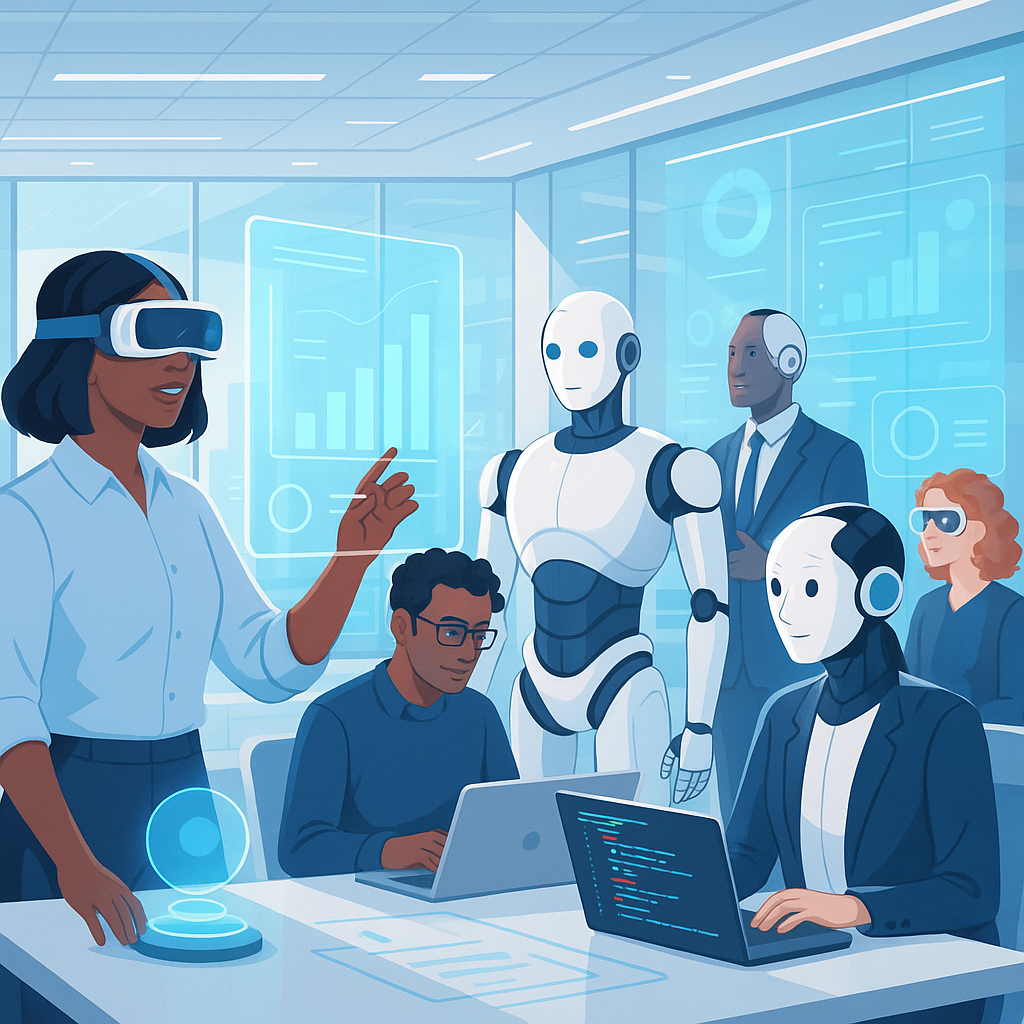
Workplaces across industries are adopting automation to improve efficiency and reduce errors. The impact is visible in offices, factories, and customer service departments alike.
- Office Productivity: Software tools now schedule meetings, sort emails, generate reports, and fill in spreadsheets automatically, freeing employees for more meaningful work.
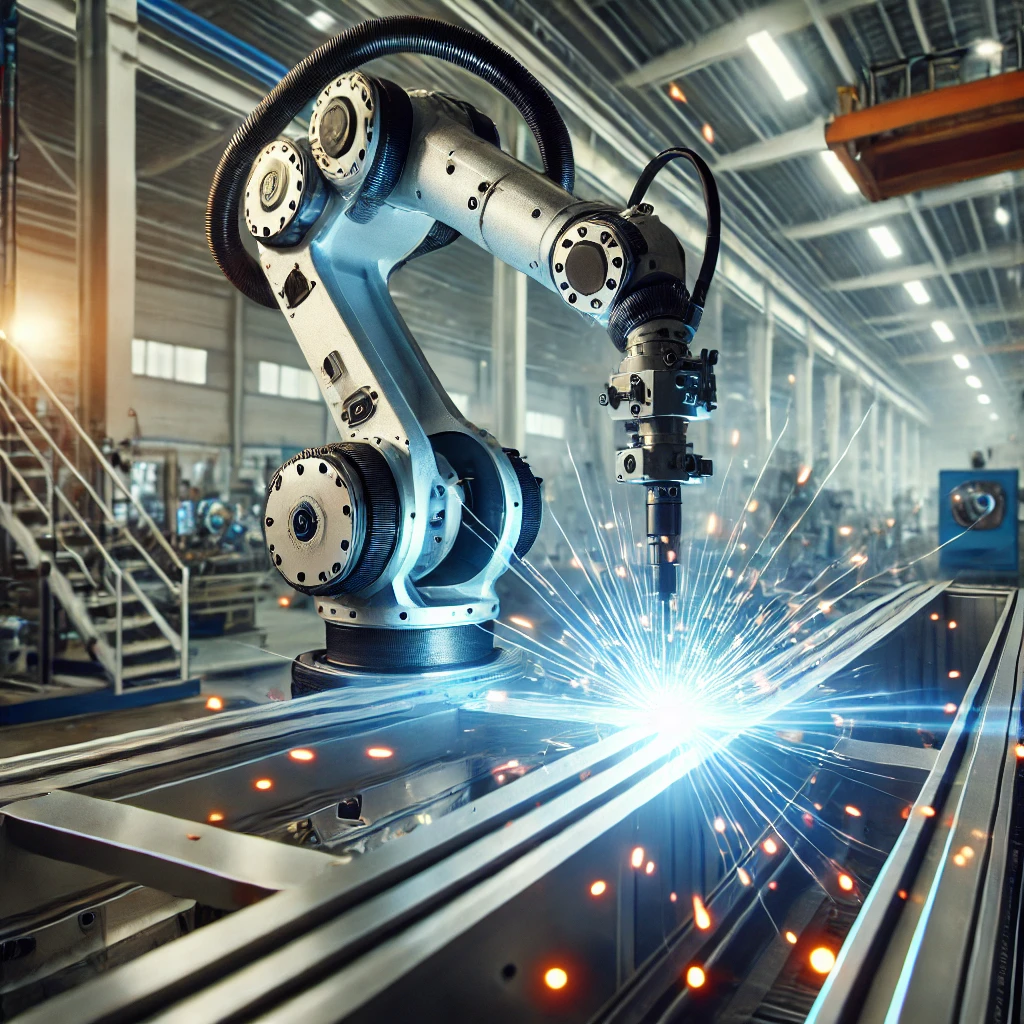
- Factories and Warehouses: Industrial robots assemble products, manage inventory, and move goods with speed and precision that humans alone cannot match consistently.
- Customer Support: Chatbots handle common customer queries around the clock, reducing wait times and improving service availability.
Rather than replacing human creativity, workplace automation allows employees to shift their energy toward problem-solving, strategy, and innovation.
Transportation and Shopping: Automation on the Move
Automation has also changed how people travel and make purchases, making both experiences faster and more personalised.
In Transportation:
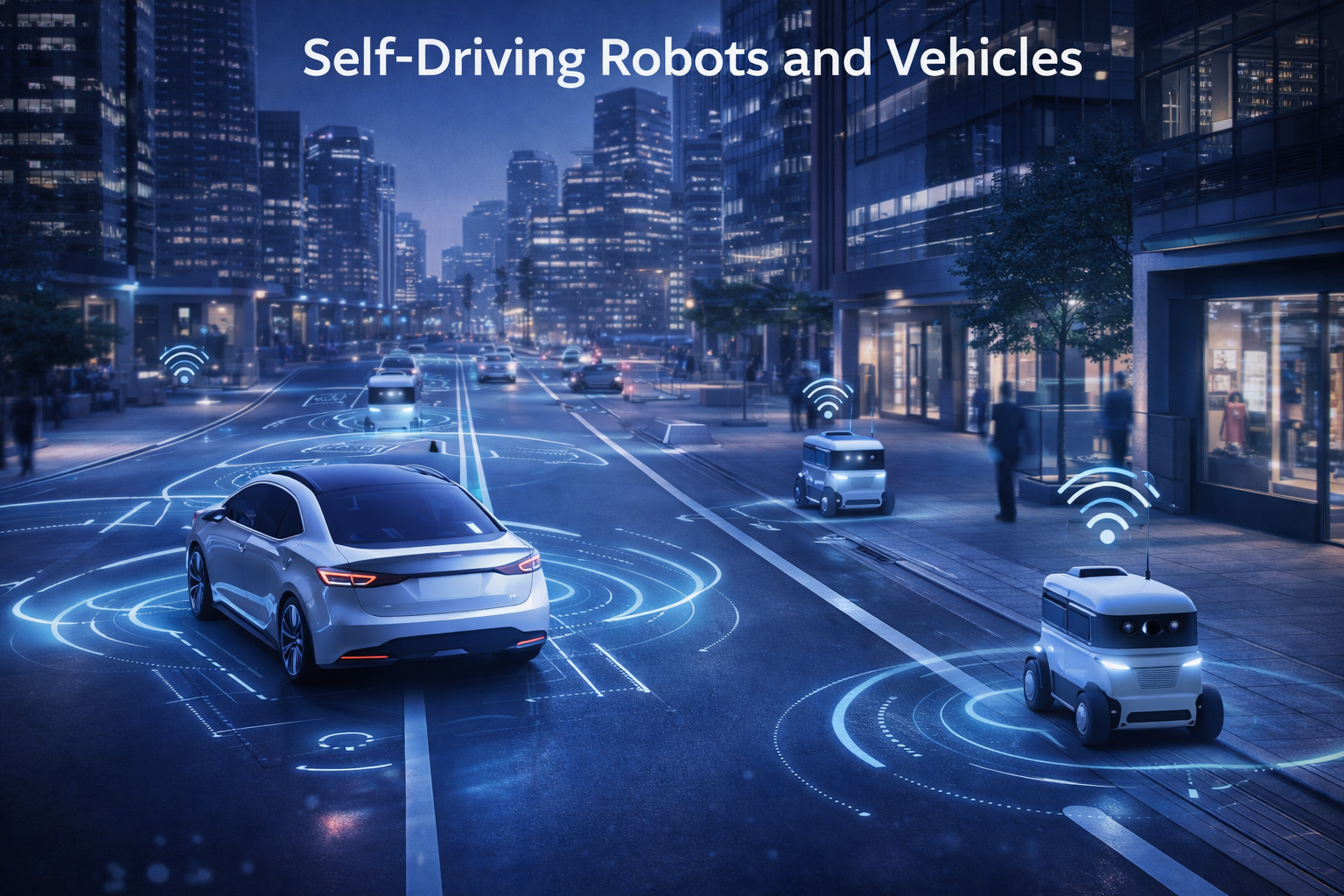
- Self-Driving Features: Many modern cars can park themselves, maintain lane discipline, and even navigate highways with minimal driver input.
- Smart Navigation: Apps like Google Maps use real-time traffic data to suggest the fastest routes, saving commuters valuable time every day.
- Airport Automation: Self-check-in kiosks and facial recognition systems at airports have significantly reduced boarding time and long queues.
In Shopping:
- Self-Checkout Counters: Shoppers can scan and pay for items without waiting for a cashier, speeding up the entire retail experience.
- Personalised Recommendations: E-commerce platforms like Amazon and Flipkart use automated systems to suggest products based on your browsing and purchase history.
- Inventory Management: Retail stores use automated systems to track stock levels and reorder products before they run out.
Benefits and Concerns: A Balanced View
Automation brings clear advantages, but it also raises important questions that society needs to address thoughtfully.
| Benefits | Concerns |
|---|---|
| Saves time on repetitive tasks | Some jobs may be displaced or restructured |
| Reduces human error in routine work | Smart devices collect personal data, raising privacy risks |
| Services available 24/7 without breaks | Over-reliance on machines may erode certain human skills |
| Lowers energy costs at home and work | Not everyone has equal access to automated technology |
The key is to use automation as a tool that supports human capability rather than one that replaces human judgment entirely. Staying informed about how your data is used by smart devices is also essential.
What the Future of Automation Looks Like
Technology is advancing rapidly, and automation will touch even more areas of daily life in the coming years. Homes may soon learn your habits and adjust settings automatically. Fully self-driving vehicles could become mainstream on Indian roads. Healthcare may see automated diagnostic tools that assist doctors in detecting diseases earlier.
However, as automation expands, conversations around fairness, data privacy, and workforce reskilling will become increasingly important. Governments, businesses, and individuals all have a role to play in ensuring that the benefits of automation are shared widely and responsibly.
Automation is not something to fear — it is something to understand and use wisely. The more informed you are about how it works and where it is heading, the better placed you will be to make the most of it in your own life.
Frequently Asked Questions
Common examples include smart lights that turn on automatically, voice assistants like Alexa and Google Assistant, self-checkout counters at stores, chatbots for customer support, and navigation apps like Google Maps that suggest real-time routes.
Automation does change the nature of some jobs and may reduce demand for certain repetitive roles. However, it also creates new jobs in technology, maintenance, and skilled trades. The overall impact depends on how quickly workers can adapt and reskill.
To protect your privacy, regularly review the data permissions of your smart devices, use strong and unique passwords, keep device firmware updated, and read the privacy policies of the apps and services connected to your home automation system.