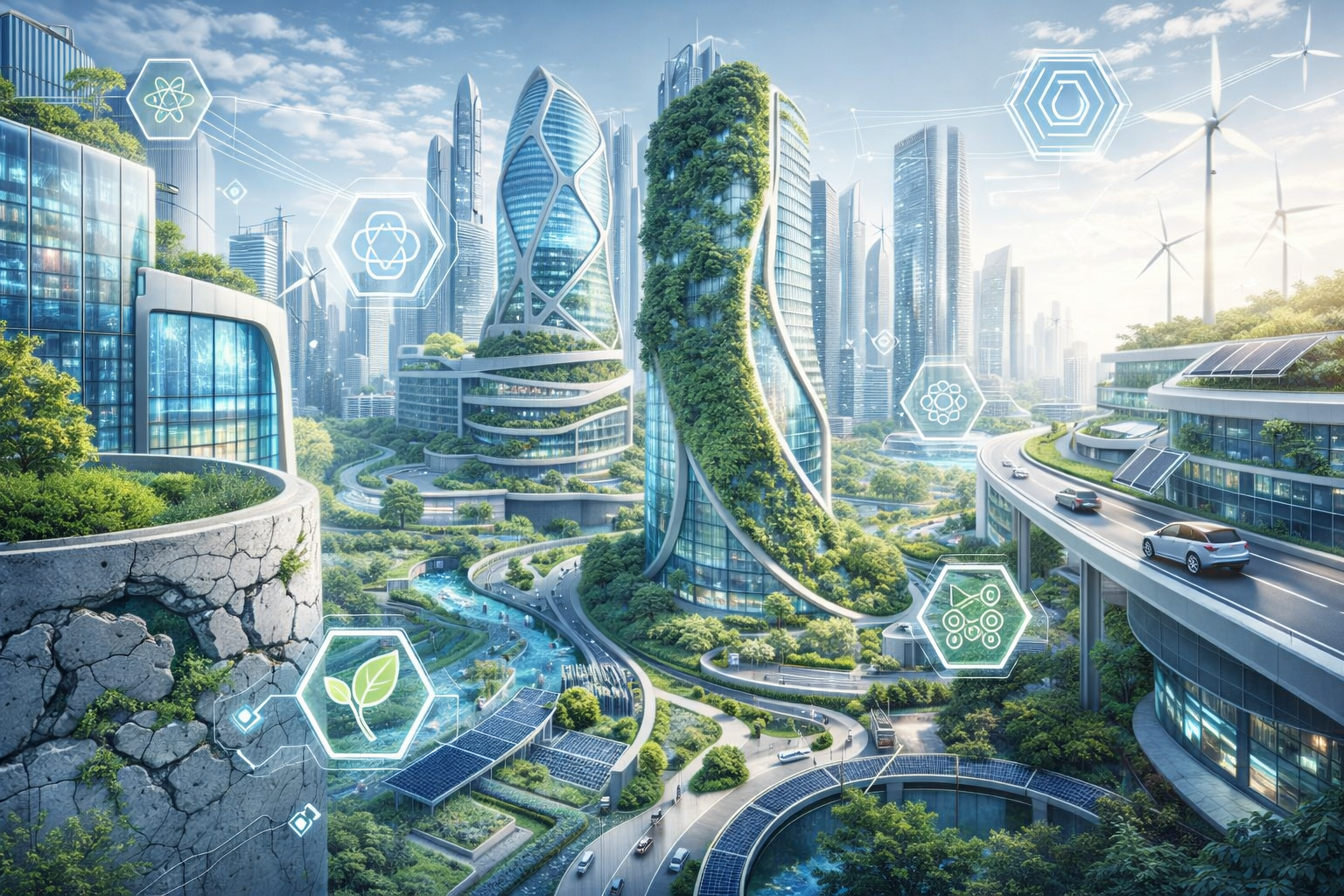

Green engineering is quietly transforming how we build, travel, manufacture, and power our lives. By combining smart design with environmental responsibility, engineers around the world are creating solutions that reduce waste, save energy, and protect natural resources for future generations.
What Is Green Engineering?
Green engineering is the practice of designing products, buildings, processes, and systems in ways that minimize harm to the environment. It goes beyond recycling or using solar panels — it is a complete rethinking of how things are made and used.
The core idea is simple: do more with less, and do it without damaging the planet. Engineers apply this thinking at every stage — from selecting raw materials to planning how a product will eventually be disposed of or recycled.
Main goals of green engineering include:
- Reducing waste and pollution at the source
- Using renewable or recyclable materials wherever possible
- Conserving energy and water throughout a product’s life cycle
- Designing systems and products that are durable and environmentally safe
Real-World Applications of Green Engineering
Green engineering is not a future concept — it is already being applied across multiple industries. Here is how it is making a difference right now.
Smart and Energy-Efficient Buildings
Modern green buildings are designed to consume far less energy than traditional structures. Engineers install solar panels, maximize natural lighting, add high-performance insulation, and integrate water-saving systems. These features reduce a building’s carbon footprint significantly while also lowering long-term operating costs for owners and residents.
Clean and Renewable Energy
Wind turbines, solar farms, and hydroelectric systems have all improved dramatically thanks to green engineering innovations. These technologies are steadily replacing fossil fuels like coal and natural gas, providing cleaner electricity to homes, businesses, and industries. Advances in battery storage are also making renewable energy more reliable and accessible.
Sustainable Transportation
Electric vehicles, hydrogen-powered buses, and energy-efficient public transit systems are all products of green engineering. Cities are also redesigning roads and urban spaces to make cycling and walking safer and more practical, reducing dependence on fuel-powered vehicles and cutting air pollution in densely populated areas.
Greener Manufacturing
Factories are adopting cleaner production methods by reusing water, reducing industrial waste, and recycling materials more efficiently. These changes not only benefit the environment but also help companies lower their operational costs over time, making green manufacturing a financially smart choice as well.
| Sector | Green Engineering Application | Key Benefit |
|---|---|---|
| Construction | Solar panels, natural lighting, insulation | Lower energy consumption |
| Energy | Wind, solar, and hydroelectric power | Reduced fossil fuel dependence |
| Transportation | Electric vehicles, efficient transit | Less air pollution |
| Manufacturing | Water reuse, waste reduction, recycling | Cost savings and less industrial waste |
Why Green Engineering Matters for Everyone
The impact of green engineering extends well beyond environmental benefits. It touches public health, economic growth, and quality of life in meaningful ways.
- Protects Nature: Cleaner production and energy systems keep air, water, and soil healthier for all living things.
- Saves Energy: Efficient designs reduce electricity and fuel consumption, lowering utility bills for households and businesses.
- Improves Public Health: Fewer harmful emissions mean lower rates of respiratory illness and other pollution-related health problems.
- Creates Jobs: The clean energy and sustainable technology sectors are among the fastest-growing sources of employment globally.
Challenges Facing Green Engineers Today
Despite its clear benefits, green engineering does face real obstacles. The upfront costs of eco-friendly materials and technologies can be significantly higher than conventional alternatives. Sourcing sustainable materials at scale remains difficult in many parts of the world.
There is also the challenge of changing established industrial habits. Many factories and construction companies have operated the same way for decades, and shifting to greener methods requires investment, training, and time.
However, as technology improves and demand for sustainable solutions grows, these barriers are gradually coming down. Government policies, corporate sustainability goals, and consumer awareness are all pushing the industry in a greener direction.
Green engineering is not just a trend — it is becoming the standard for how responsible development looks in the 21st century. As more engineers, companies, and governments commit to sustainable practices, the positive impact on our planet will only grow stronger over time.
Frequently Asked Questions
Green engineering is the practice of designing products, buildings, and systems in ways that reduce harm to the environment. It focuses on saving energy, cutting waste, using renewable materials, and creating solutions that are safe and sustainable over the long term.
Common examples include energy-efficient buildings with solar panels and natural lighting, electric vehicles, wind and solar power plants, and factories that recycle water and reduce industrial waste. Even energy-saving appliances and LED lighting are products of green engineering principles.
The main challenges include higher upfront costs for eco-friendly materials and technologies, difficulty sourcing sustainable materials at scale, and the need to change long-established industrial practices. However, improving technology and growing demand for sustainable solutions are gradually making these challenges easier to overcome.