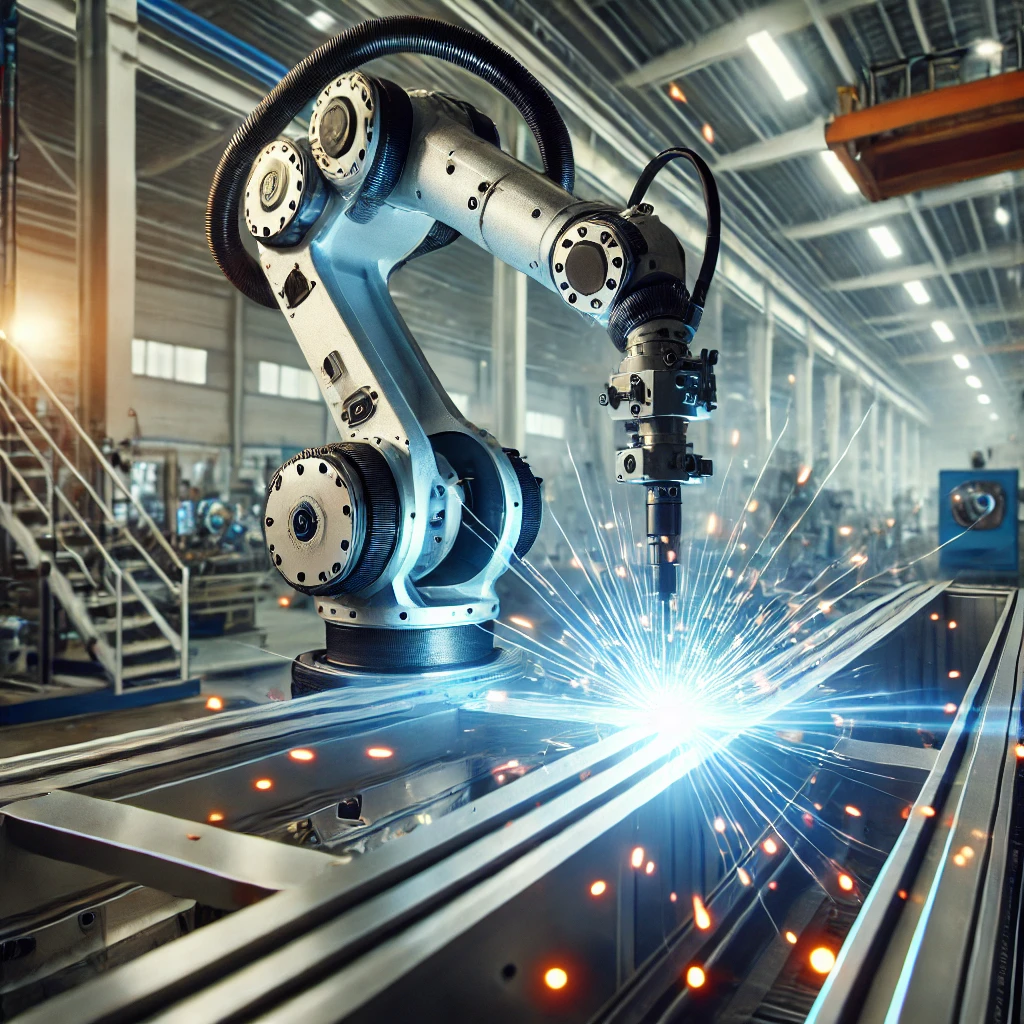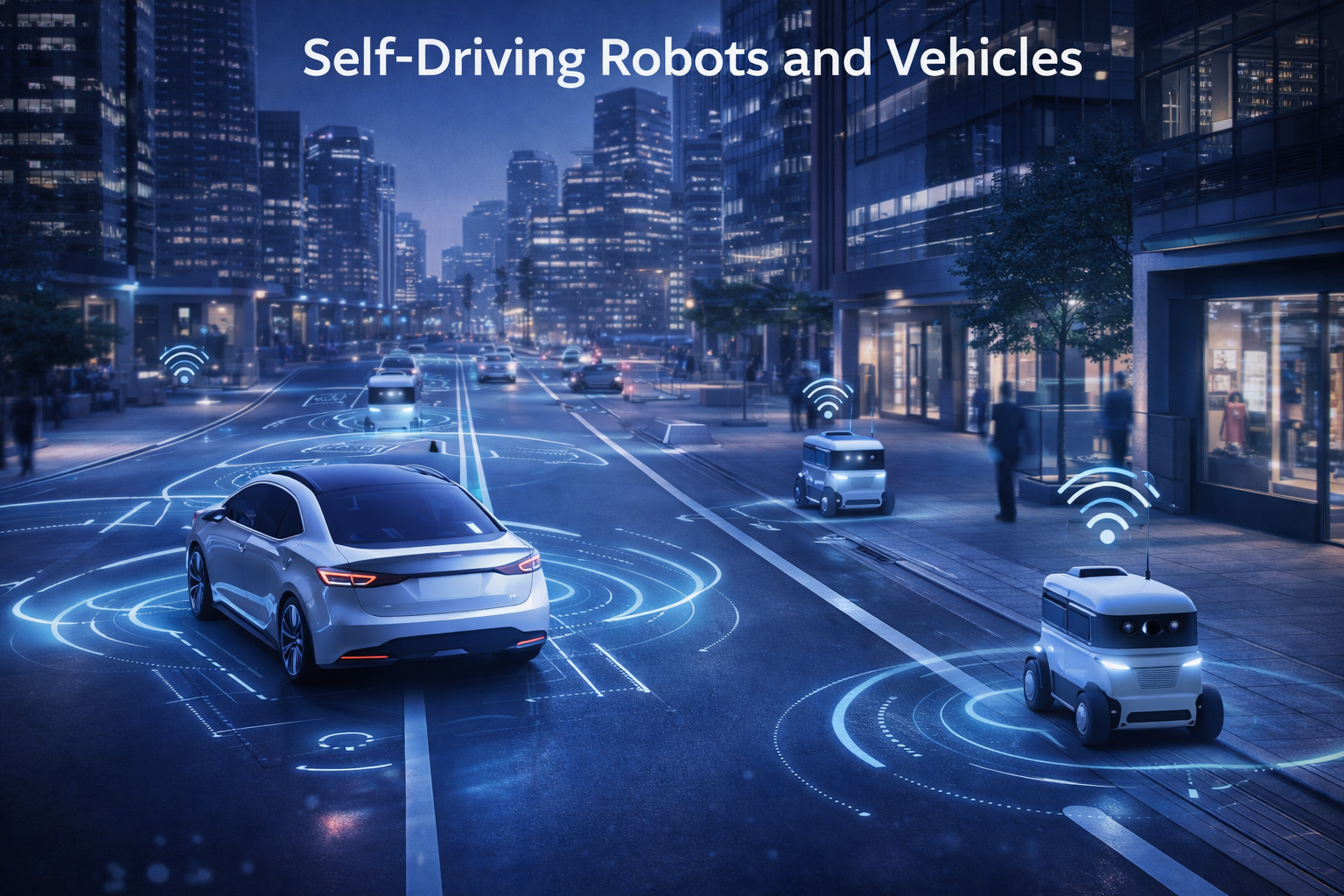

Robots were once confined to large factory floors and industrial assembly lines. That picture has changed dramatically. Thanks to rapid advances in artificial intelligence, sensor technology, vision systems, and automation software, robots today are smarter, safer, and far more versatile. They now work alongside humans across a wide range of industries — from hospitals and farms to hotels and construction sites.
Robotics in Healthcare: Precision, Safety, and Better Patient Care
Healthcare is one of the fastest-growing areas for robotic adoption. Hospitals and clinics are deploying robots for a variety of tasks, including:
- Delivering medicines and supplies across hospital floors
- Disinfecting rooms using UV-based robotic systems
- Assisting surgeons with AI-powered robotic arms for ultra-precise operations
- Transporting samples and equipment, freeing nurses for critical care duties
These applications reduce the workload on medical staff, improve accuracy during procedures, and contribute to better patient outcomes overall. Surgical robots, in particular, allow doctors to perform minimally invasive procedures with greater control than traditional methods allow.
Robotics in Agriculture and Smart Farming
Farmers are increasingly turning to robotic technology to address labor shortages and improve crop yields. Automated tractors, robotic harvesters, and agricultural drones are now common tools on modern farms. These machines can monitor crop health, spray fields with precision, and pick fruits and vegetables without human intervention.
Sensors combined with AI allow robots to detect early signs of disease or stress in crops, helping farmers act quickly and protect their harvests. The result is more food produced with less manual labor — a critical advantage as global food demand continues to rise.
Robotics in Logistics, Warehousing, and E-Commerce
The growth of online shopping has pushed warehouses and fulfillment centers to adopt robotics at scale. Autonomous mobile robots move goods efficiently across large warehouse floors, while robotic arms handle sorting, packing, and unloading tasks with speed and consistency.
Businesses using these systems benefit from:
- Faster order processing and delivery times
- Reduced human error in picking and packing
- Round-the-clock operations without fatigue-related slowdowns
- Lower long-term operational costs
For major e-commerce players, robotic warehouses have become a competitive necessity rather than a luxury.
Robotics in Retail, Food Service, and Security
Retail stores are using robots to scan shelves, manage inventory, assist customers, and guide shoppers to products. Hotels and shopping malls have introduced service robots for cleaning, reception duties, and food delivery.
In the food and beverage industry, cooking robots, automated baristas, and food-serving machines are appearing in restaurants and factories alike. These robots handle sorting, packaging, and quality checks — improving hygiene, consistency, and speed of service.
Security operations have also seen a shift. Intelligent patrol robots and surveillance drones can monitor building premises, detect unusual activity in real time, and access areas that are too dangerous or difficult for human security personnel. This improves overall safety while reducing risk to human staff.
Robotics in Construction and Why the Sector-Wide Expansion Makes Sense
Construction is one of the more recent industries to embrace robotics seriously. Robots are now being used for bricklaying, welding, painting, and site inspection. Drones survey construction sites from above, while robotic machines handle heavy material transport. Some companies have even begun using robotic 3D printers to construct walls and structural elements, speeding up build times and improving worker safety.
The broader expansion of robotics across all these sectors is driven by clear, practical advantages:
| Benefit | Impact on Industry |
|---|---|
| Cost reduction | Lower long-term operational expenses |
| Labor shortage solution | Fills gaps in sectors with limited workforce availability |
| Accuracy and consistency | Reduces human error in repetitive or high-stakes tasks |
| 24/7 productivity | No breaks, no fatigue, continuous output |
| Environmental efficiency | Reduces waste and optimizes energy use |
As robots become more affordable and easier to program, even small and mid-sized businesses are finding practical ways to integrate them into daily operations.
The expansion of robotics into healthcare, agriculture, logistics, retail, food service, security, and construction signals a clear shift in how industries operate. Robots are no longer a futuristic concept — they are active contributors to safer workplaces, more efficient processes, and higher-quality services across the global economy.
Frequently Asked Questions
Healthcare, logistics and warehousing, agriculture, and food service are among the fastest-growing sectors for robotic adoption, driven by labor shortages, demand for accuracy, and the need for round-the-clock operations.
Hospitals use robots for medicine delivery, room disinfection, surgical assistance, and patient monitoring support. AI-powered robotic arms help surgeons perform precise, minimally invasive procedures.
Robots reduce operational costs, eliminate human error in repetitive tasks, solve labor shortages, and can work continuously without breaks. As robots become more affordable and easier to use, more industries are finding practical applications for them.