Enterprise Resource Planning, commonly known as ERP, has grown far beyond its roots as a basic record-keeping tool. Today, it serves as a powerful business management solution that connects departments, streamlines operations, and supports smarter decision-making across organizations of all sizes. Whether you run a small business or a large enterprise, understanding ERP technology can help you make better use of your resources and stay competitive.
What Is ERP Technology?
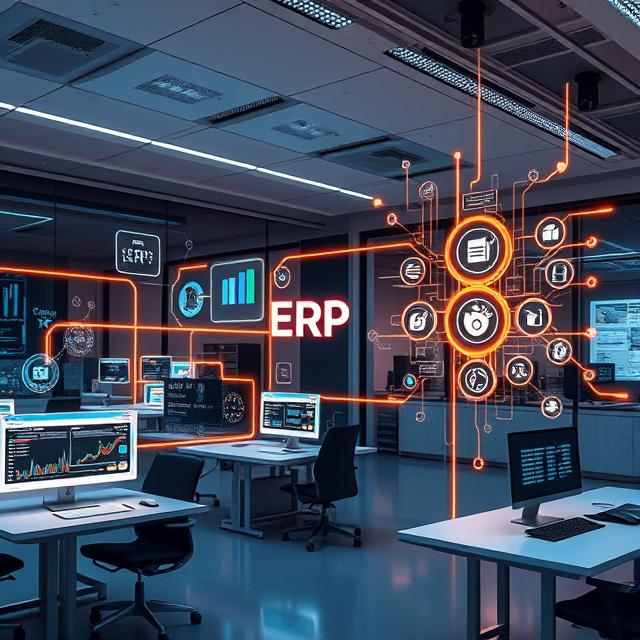
ERP technology is a software solution that integrates all essential business processes into a single unified system with a shared database. It connects departments such as finance, human resources, sales, marketing, production, and inventory management on one platform.
By centralizing business data, ERP improves data accuracy, supports faster decision-making, and encourages collaboration across teams. Instead of working in silos, departments can access the same real-time information, reducing errors and improving coordination.
Key Benefits of Implementing an ERP System
Businesses that adopt ERP systems often see significant improvements across multiple areas. Here are the main advantages:
- Better Efficiency: ERP automates routine tasks, reduces manual work, and eliminates duplicate processes. This allows employees to focus on higher-value activities, improving overall output.
- Smarter Decision-Making: With real-time data and built-in analytics, ERP gives managers clear insights into business performance. Leaders can respond to challenges and opportunities faster and with greater confidence.
- Higher Productivity: By handling repetitive tasks automatically, ERP frees up staff to work on strategic projects and creative problem-solving, often leading to innovation.
- Better Customer Satisfaction: ERP improves order processing, inventory control, and customer service workflows. When operations run smoothly, businesses deliver faster and more accurate services, leading to happier customers.
- Cost Reduction: Smarter inventory management, streamlined procurement, and more efficient production all contribute to lower operating costs and improved profit margins.
- Scalability: As your business grows, a good ERP system grows with it. Whether you are entering new markets, adding products, or hiring more staff, ERP can adapt to your changing needs.
Core Modules Found in ERP Systems
ERP platforms are built around several key modules, each designed to manage a specific area of business operations. Here is a look at the most common ones:
- Financial Management: Covers accounting, budgeting, financial reporting, and tax management. It ensures accurate financial tracking and regulatory compliance.
- Human Resources (HR): Manages employee records, payroll, benefits, recruitment, and performance evaluations in one place.
- Supply Chain Management (SCM): Handles procurement, inventory, production planning, and logistics to keep the supply chain running efficiently.
- Customer Relationship Management (CRM): Manages sales pipelines, marketing campaigns, customer service, and sales forecasting to improve customer engagement and retention.
- Manufacturing: Supports production planning, scheduling, quality control, and equipment maintenance to keep factory operations on track.
| ERP Module | Primary Function | Who Benefits Most |
|---|---|---|
| Financial Management | Accounting, budgeting, tax compliance | Finance teams, CFOs |
| Human Resources | Payroll, hiring, performance tracking | HR departments |
| Supply Chain Management | Procurement, inventory, logistics | Operations and logistics teams |
| CRM | Sales, marketing, customer service | Sales and marketing teams |
| Manufacturing | Production planning, quality control | Manufacturing and plant managers |
Challenges to Consider Before ERP Implementation
While ERP systems offer clear advantages, implementing one is not without its difficulties. Businesses should be aware of these common challenges before committing:
- Data Migration: Transferring data from legacy systems to a new ERP platform can be complex. Ensuring data accuracy and completeness during migration is critical to a successful rollout.
- Change Management: Employees may resist switching to a new system. Proper training, clear communication, and strong leadership support are essential to drive adoption across the organization.
- Customization: While ERP systems can be customized, over-customizing can increase complexity and long-term maintenance costs. Striking the right balance is important.
- Total Cost: The full cost of an ERP system includes software licensing, hardware, implementation services, training, and ongoing maintenance. A thorough cost-benefit analysis before committing is strongly recommended.
How to Choose the Right ERP Solution for Your Business
Selecting the right ERP system requires a careful evaluation of your business needs, budget, and long-term goals. Here are the key factors to consider:
- Business Size and Industry: Choose a system that fits your company’s scale and sector. Industry-specific ERP solutions often come with pre-built features tailored to your field.
- Scalability: Make sure the platform can handle growth in users, products, and processes without requiring a complete system overhaul.
- Integration Capabilities: Evaluate how well the ERP system connects with your existing tools, such as customer databases, inventory software, or third-party applications.
- Cloud vs. On-Premises: Cloud-based ERP systems offer flexibility and lower upfront costs, while on-premises solutions provide greater control and customization. Choose based on your IT infrastructure and budget.
- Vendor Support: Look for an ERP provider with a strong reputation, responsive customer service, and reliable post-implementation support.
Choosing the right ERP system is a long-term investment. Taking time to evaluate your options carefully can save significant costs and operational headaches down the road.
ERP technology, when implemented correctly, can bring meaningful improvements to how a business operates. From automating daily tasks to providing real-time business insights, ERP systems help organizations work smarter, serve customers better, and grow with confidence. The key is to choose a solution that aligns with your specific business goals and to plan the implementation process carefully to minimize disruption.
Frequently Asked Questions
An ERP system integrates all core business processes, such as finance, HR, sales, supply chain, and manufacturing, into a single unified platform. This helps businesses improve efficiency, reduce errors, and make faster, data-driven decisions.
Cloud-based ERP is hosted on remote servers and accessed via the internet, offering lower upfront costs and greater flexibility. On-premises ERP is installed on a company's own servers, providing more control and customization but requiring higher initial investment and IT resources.
ERP implementation timelines vary depending on the size of the organization, the complexity of the system, and the level of customization required. Small businesses may complete implementation in a few months, while large enterprises can take one to three years for a full rollout.