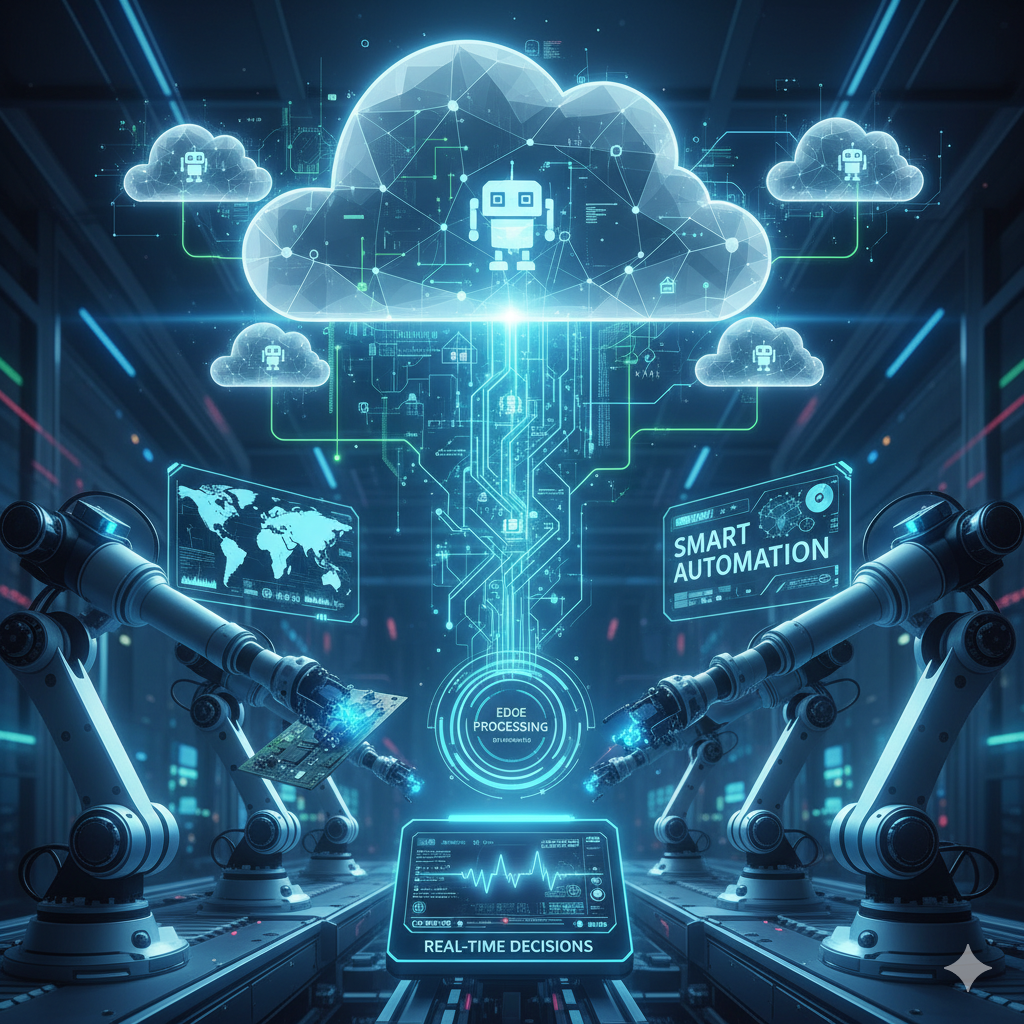
Robots today do far more than follow fixed instructions. They sense, process, and respond to their environment in real time. The combination of edge robotics and cloud robotics is reshaping how industries automate their operations — from factory floors to hospital wards and farm fields. Here is a clear look at how this technology works and why it matters.
What Are Edge Robotics and Cloud Robotics?
These two technologies work together but serve different purposes. Understanding each one separately makes it easier to see how they complement each other.
- Edge Robotics: The robot processes data locally, on-site, without depending on a constant internet connection. For example, a factory robot can detect a product defect and correct it immediately, without sending data to a remote server first.
- Cloud Robotics: The robot connects to cloud servers to share data, receive updates, and learn from the experiences of other robots across a network. For example, warehouse robots can improve shelf organisation by learning from data collected across multiple facilities.
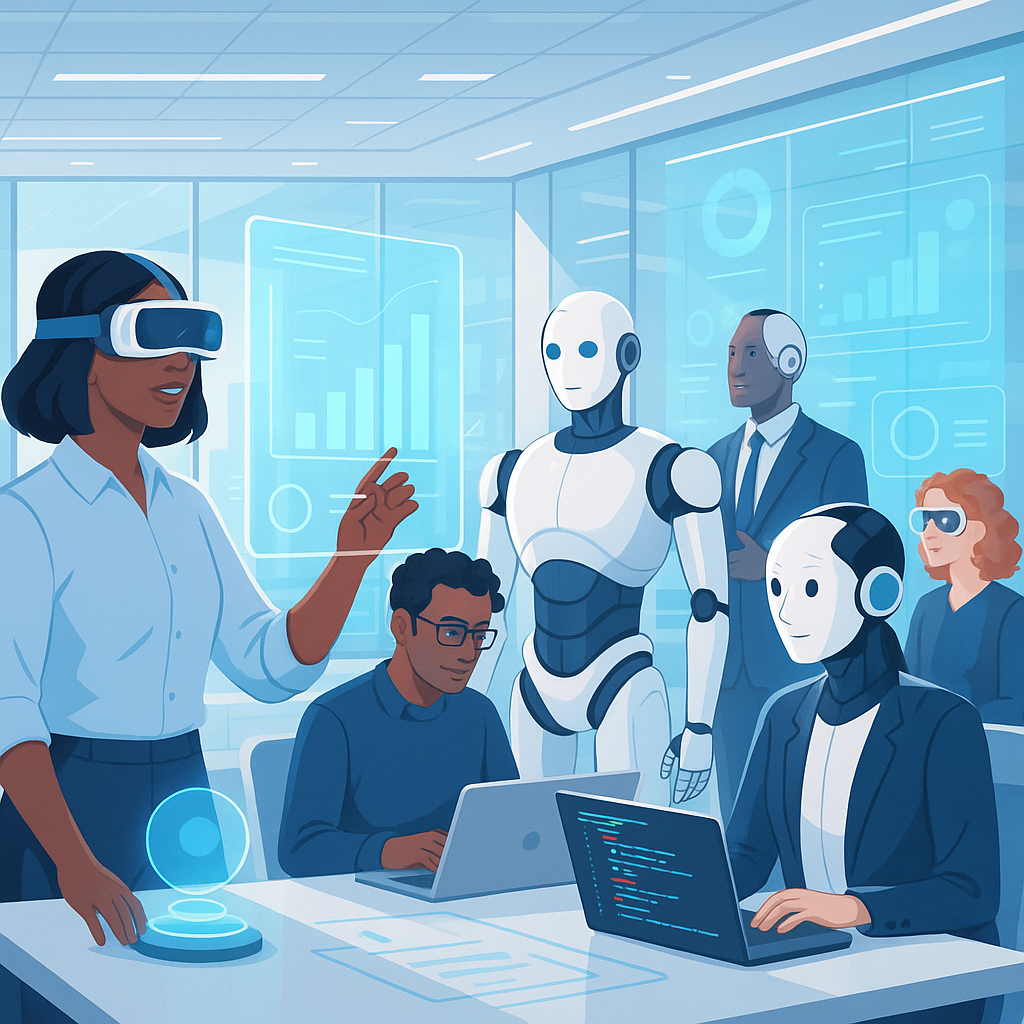
When edge and cloud capabilities are combined, robots become faster, smarter, and more reliable. Edge handles instant decisions while the cloud manages long-term learning and coordination.
Why Real-Time Decision-Making Changes Everything
Earlier automation systems required robots to send data to a central computer before acting. That delay, even if small, created risks and inefficiencies. Edge computing removes that bottleneck by allowing robots to act immediately.
The key benefits of real-time decision-making in robotics include:
- Faster response times — robots react to changes in their environment without waiting for remote instructions
- Improved worker safety — a robot can stop or change direction the moment a person steps into its path
- Higher precision — on-the-spot processing reduces errors caused by data transmission delays
- Reduced downtime — issues are detected and addressed before they cause disruptions
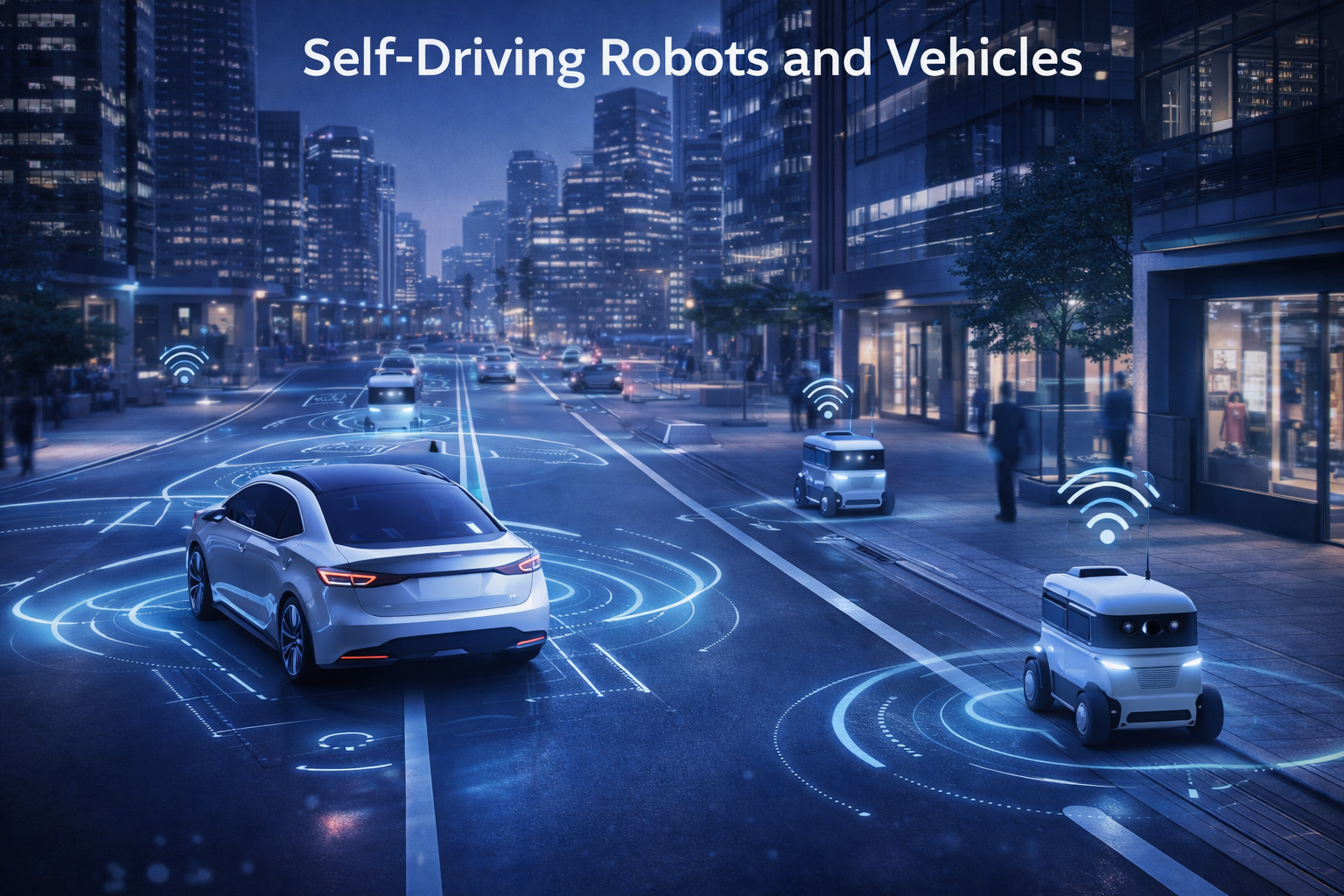
In a busy warehouse, for instance, a robot using edge computing can avoid a collision instantly rather than waiting for a cloud-based command to arrive.
How Cloud Robotics Strengthens Long-Term Automation
While edge computing handles split-second actions, cloud robotics focuses on the bigger picture. The cloud stores large volumes of operational data, trains machine learning models, and pushes smarter updates back to robots in the field.
Key advantages of cloud robotics include:
- Robots learn from data gathered across global networks, not just their own experience
- Fleet management becomes simpler — operators can update and monitor hundreds of robots from one platform
- Predictive maintenance becomes possible, allowing teams to fix problems before they cause failures
Cloud systems can analyse the performance of thousands of robots simultaneously and use that data to improve efficiency across an entire operation.
Industries Already Using Edge and Cloud Robotics
This technology is not a future concept. It is already being applied across several major sectors.
| Industry | How Edge and Cloud Robotics Are Used |
|---|---|
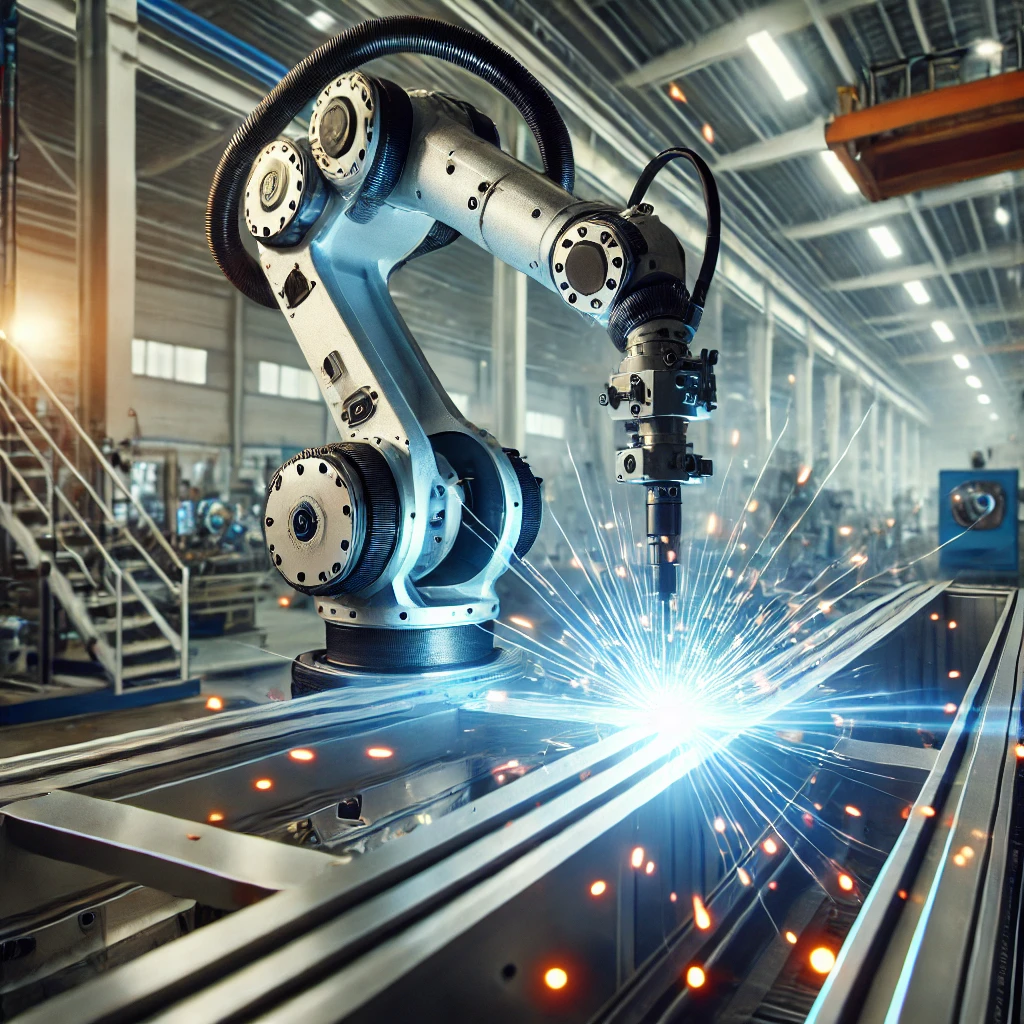
| Smart Factories (Industry 4.0) | Networked robots handle assembly, quality checks, and maintenance to boost productivity and safety |
| Healthcare | Surgical robots and hospital assistants use real-time data to support doctors and improve patient outcomes |
| Agriculture | Farm bots and drones use edge processing to analyse soil, weather, and crop conditions instantly |
| Warehousing and Logistics | Robots scan items, move products, and plan routes using edge sensors and cloud coordination together |
Security Challenges and How to Address Them
Connecting robots to networks introduces risks that organisations must take seriously. The main challenges include:
- Data privacy: Sensitive operational and personal data must be protected from unauthorised access
- Cybersecurity: Network-connected robots are potential targets for hackers who could disrupt operations or steal data
- System integration: Different devices and platforms must work together without creating vulnerabilities
These risks can be managed through encrypted communication channels, secure private networks, and robust security protocols built into both edge devices and cloud platforms.
What the Future of Smart Automation Looks Like
The next phase of robotics will focus on closer collaboration between humans and machines. As hardware and software improve, robots will become more self-sufficient in how they learn, manage energy, and adapt to new environments.
Trends shaping the future of smart automation include:
- Real-time human-robot collaboration in shared workspaces
- Robots that continuously learn from data collected worldwide
- Automation systems designed to be more energy-efficient and environmentally responsible
The direction is clear — automation will become more intelligent, more responsive, and more integrated into everyday industrial and commercial life.
Edge and cloud robotics together represent a significant shift in how machines operate. By combining instant local processing with the power of networked learning, industries can build automation systems that are faster, safer, and far more capable than anything that came before. From smart factories to precision agriculture, the age of truly intelligent automation is already underway.
Frequently Asked Questions
Edge robotics allows a robot to process data locally on-site without needing a constant internet connection, enabling instant decisions. Cloud robotics connects robots to remote servers for data sharing, long-term learning, and fleet-wide updates. Most modern systems use both together for the best results.
Smart manufacturing, healthcare, agriculture, and warehousing and logistics are among the industries seeing the greatest benefits. These sectors use robotics for tasks like quality control, surgical assistance, crop monitoring, and automated order fulfilment.
The main risks include data privacy breaches, cyberattacks targeting network-connected robots, and integration challenges between different systems. These can be addressed using encrypted communication, secure networks, and strong cybersecurity protocols built into both edge devices and cloud platforms.