Software development teams across the world are under constant pressure to ship faster, maintain quality, and adapt to changing requirements. Two methodologies — DevOps and Agile — have emerged as the most effective approaches to meet these demands. When used together, they create a powerful workflow that helps teams deliver better software in less time.
What is DevOps and Why Does It Matter?
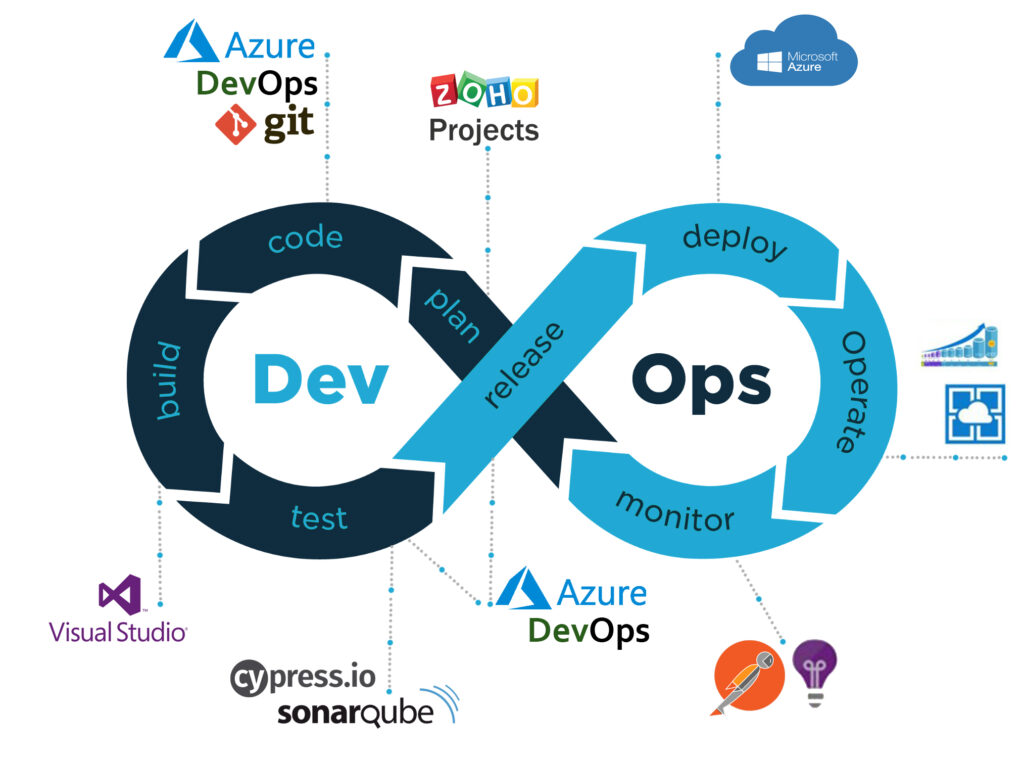
DevOps is a combination of cultural practices, tools, and philosophies that bridges the gap between development (Dev) and operations (Ops) teams. Instead of working in silos, both teams collaborate closely to automate processes, speed up deployments, and maintain continuous feedback loops.
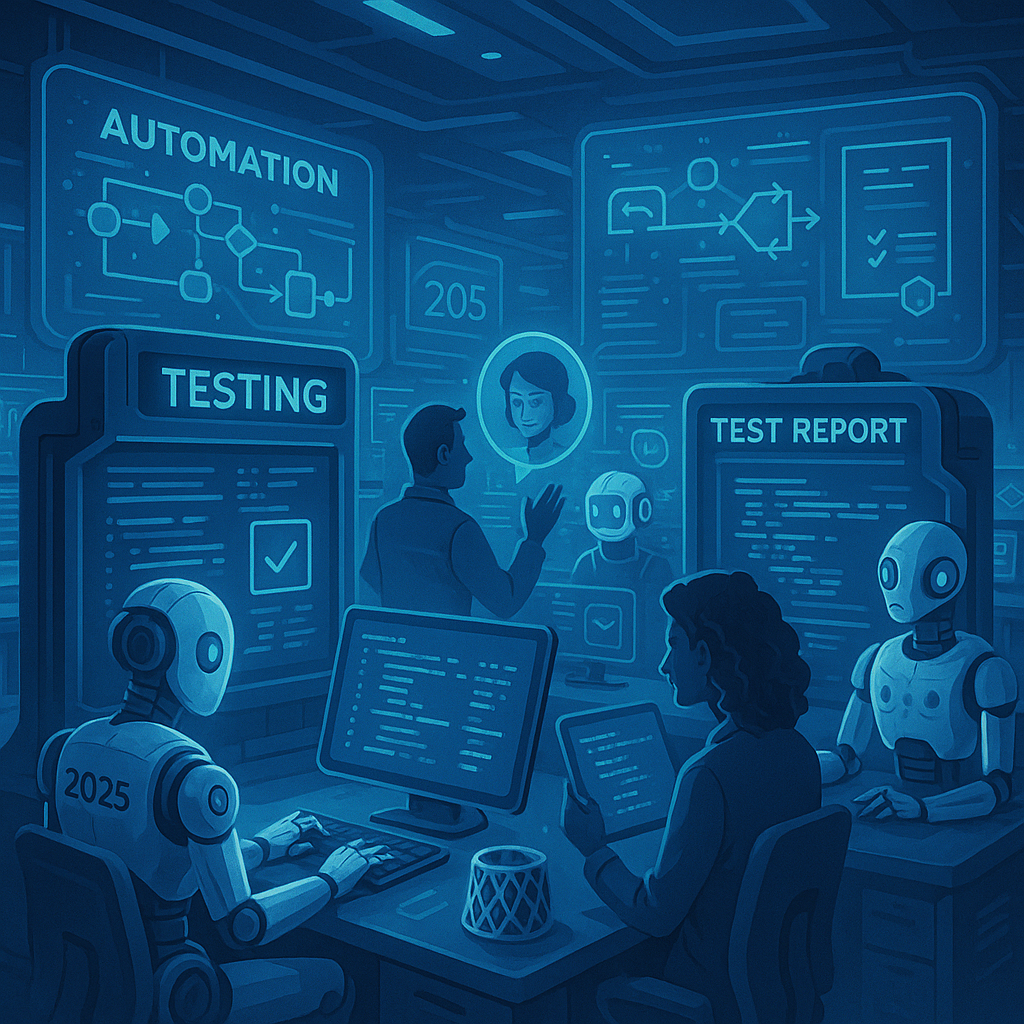
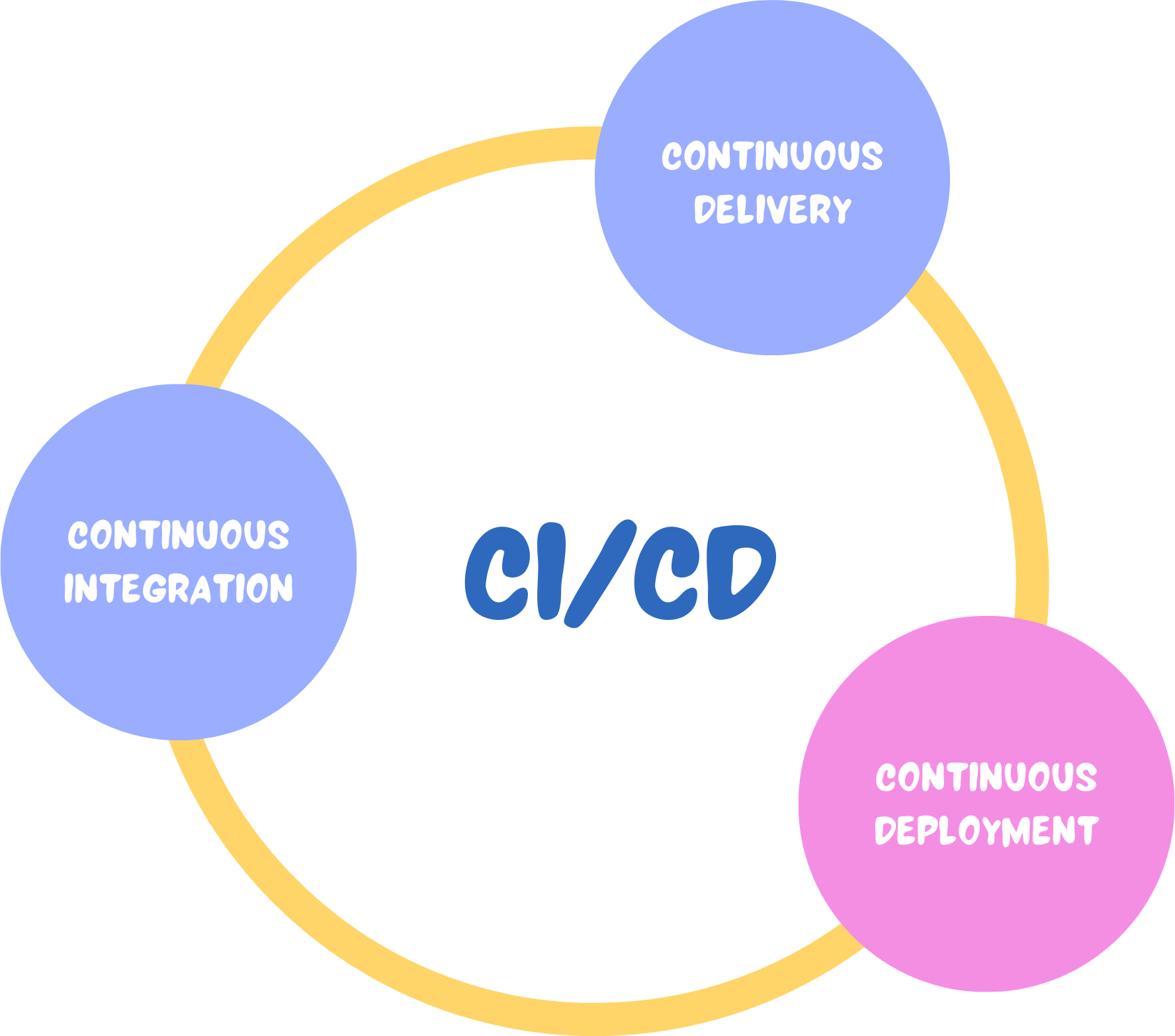
The core idea behind DevOps is to remove friction from the software delivery process. By automating repetitive tasks and setting up CI/CD (Continuous Integration and Continuous Deployment) pipelines, teams can push updates faster and with fewer errors.
Key benefits of DevOps include:
- Faster Delivery: Automated pipelines reduce manual effort and speed up product releases significantly.
- Stronger Collaboration: Development, operations, and IT teams work toward shared goals, breaking down traditional barriers.
- Higher Software Quality: Continuous testing and monitoring help catch bugs early in the development cycle.
- Scalability: DevOps practices make it easier to scale infrastructure and services as business needs grow.
What is Agile and How Does It Work?
Agile is a project management and software development approach that focuses on incremental progress, flexibility, and close collaboration. Rather than following a rigid, long-term plan, Agile teams work in short cycles called sprints — typically one to four weeks — to deliver small but functional improvements to a product.
Agile encourages regular communication with stakeholders and uses visual tools like Scrum boards and Kanban boards to keep everyone aligned on project status.
Main advantages of Agile include:
- Flexibility: Teams can quickly adapt to changing requirements or priorities without derailing the entire project.
- Customer Satisfaction: Frequent releases and stakeholder involvement ensure the product stays aligned with user needs.
- Continuous Improvement: Sprint retrospectives allow teams to reflect on their process and make meaningful improvements.
- Transparency: Regular stand-ups and visual tracking tools give everyone a clear view of progress.
How DevOps and Agile Work Better Together
Agile focuses on how software is planned and built. DevOps focuses on how it is tested, deployed, and maintained. Together, they cover the entire software development lifecycle — from idea to production.
Here is a quick comparison of both methodologies:
| Aspect | Agile | DevOps |
|---|---|---|
| Focus | Development process and planning | Deployment, automation, and operations |
| Work Style | Sprints and iterations | Continuous delivery pipelines |
| Key Tools | JIRA, Trello, Scrum boards | Jenkins, Docker, Kubernetes |
| Primary Goal | Deliver value in small increments | Automate and accelerate delivery |
When combined, DevOps supports Agile in several important ways:
- CI/CD Pipelines: Agile’s frequent code releases align perfectly with DevOps CI/CD practices, enabling automated testing and deployment without manual intervention.
- Faster Feedback Loops: DevOps monitoring tools give Agile teams real-time data on code quality and performance, helping them make quicker decisions.
- Automation: DevOps automates tasks that were previously done manually, freeing Agile teams to focus on building features rather than managing deployments.
- Cross-Team Collaboration: Both methodologies emphasize teamwork, resulting in smoother handoffs and faster problem resolution.
Best Practices for Implementing DevOps and Agile Together
Adopting both methodologies at once can feel overwhelming. A structured approach makes the transition smoother and more effective.
- Start Small: Pilot DevOps and Agile practices on smaller projects first. This helps teams learn without putting the entire organization at risk.
- Choose the Right Tools: Use tools that support both Agile project management — such as JIRA or Trello — and DevOps workflows — such as Jenkins, Docker, and Kubernetes.
- Build a Collaborative Culture: Encourage open communication across all teams. Breaking down silos is essential for both methodologies to succeed.
- Invest in Continuous Learning: Provide training opportunities and encourage knowledge sharing among team members.
Common Challenges and How to Overcome Them
Combining DevOps and Agile is not without its challenges. Teams often face resistance, tool integration issues, and the pressure to balance speed with quality.
- Cultural Resistance: Some team members may be hesitant to change their working style. Address this by clearly communicating the benefits and providing hands-on training.
- Tool Integration: Ensuring that Agile and DevOps tools work well together requires careful planning. Invest in platforms that offer native integrations or open APIs.
- Balancing Speed and Quality: Moving fast should never mean compromising on quality. Set up automated testing, continuous monitoring, and quality checkpoints to maintain standards even during rapid releases.
When organizations address these challenges proactively, the combined power of DevOps and Agile can significantly improve both team performance and product outcomes.
Bringing DevOps and Agile together is not just a technical decision — it is a cultural shift. Teams that embrace both methodologies tend to ship better software faster, respond to customer feedback more effectively, and build stronger cross-functional relationships. For any organization serious about improving its software delivery process, combining Agile and DevOps is a practical and proven path forward.
Frequently Asked Questions
Agile focuses on how software is planned and developed through short iterative sprints, while DevOps focuses on automating and streamlining the deployment, testing, and operations side of software delivery. Together, they cover the full software development lifecycle.
Yes, DevOps and Agile complement each other well. Agile handles the development process through sprints and iterations, while DevOps automates testing and deployment. Using both together results in faster releases and higher software quality.
For Agile project management, tools like JIRA and Trello are widely used. For DevOps processes, popular tools include Jenkins for CI/CD, Docker for containerization, and Kubernetes for container orchestration. Choosing tools that integrate well with each other is key to a smooth workflow.