Engineering has always relied on experimentation, physical prototypes, and theoretical models. But a major shift is underway. Today, data sits at the heart of engineering decisions, giving rise to Data-Centric Engineering (DCE) and Hybrid Modeling — two approaches that are helping industries build smarter, faster, and more reliable systems.
What Is Data-Centric Engineering?
Data-Centric Engineering is the practice of basing engineering decisions on data rather than relying solely on physical testing or theoretical assumptions. Engineers now draw insights from multiple real-time and simulated sources, including:
- Sensors and IoT devices that capture live operational data
- Simulations that replicate real-world conditions without physical risk
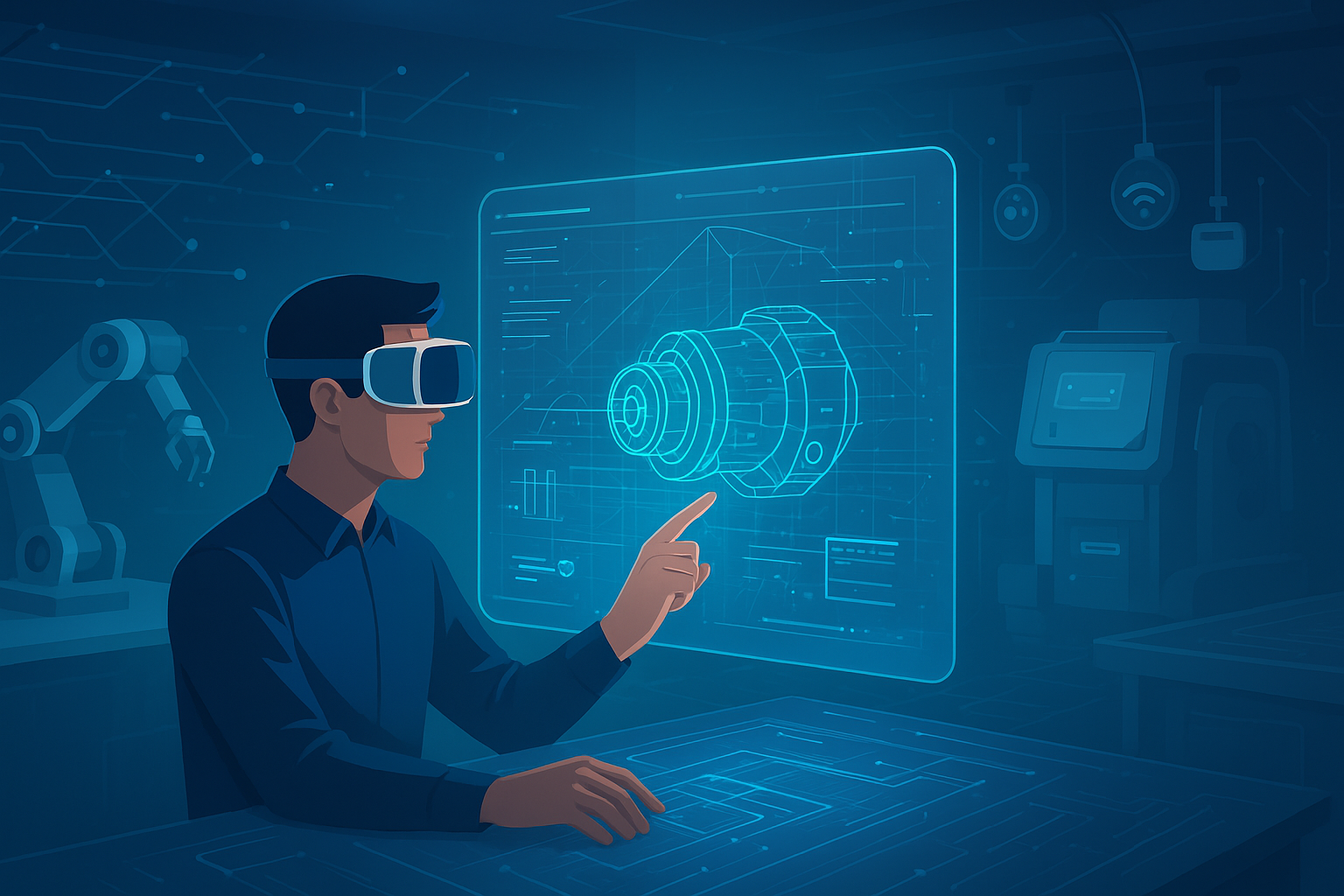
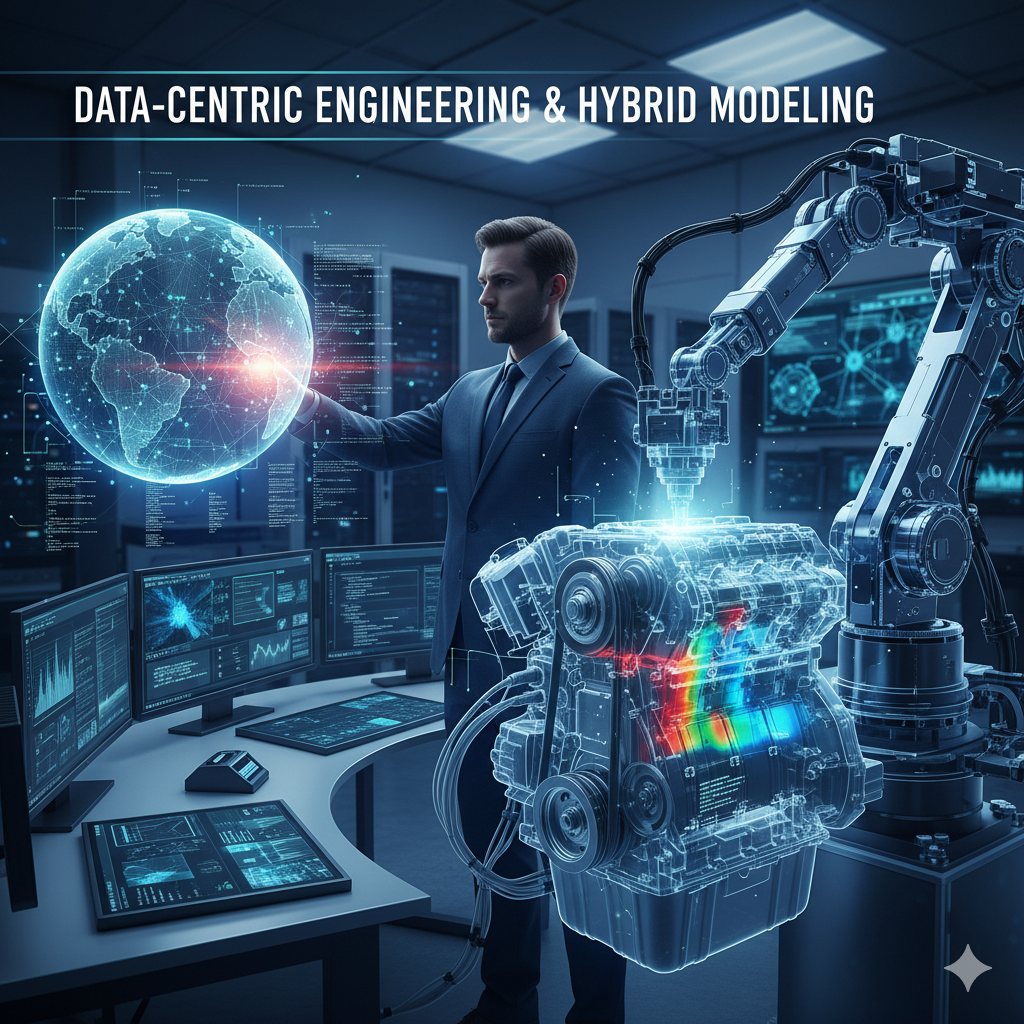
- Digital twins — virtual representations of physical systems or assets
A practical example: automobile manufacturers now test vehicle safety using crash simulation data and sensor readings instead of destroying hundreds of actual cars. This approach saves significant time and cost while improving accuracy.
The shift to data-centric methods also means engineers can monitor systems continuously, detect anomalies early, and make design improvements based on real performance — not just theoretical predictions.
What Is Hybrid Modeling and How Does It Work?
Hybrid Modeling brings together two distinct but complementary approaches:
- Physics-based models — built on established natural laws such as gravity, heat transfer, thermodynamics, and fluid dynamics
- Data-driven models — built using machine learning, pattern recognition, and real-world operational data
When combined, these two methods produce models that are both scientifically grounded and practically accurate. Physics ensures the model respects the laws of nature, while data-driven techniques fill in gaps that pure theory cannot address.
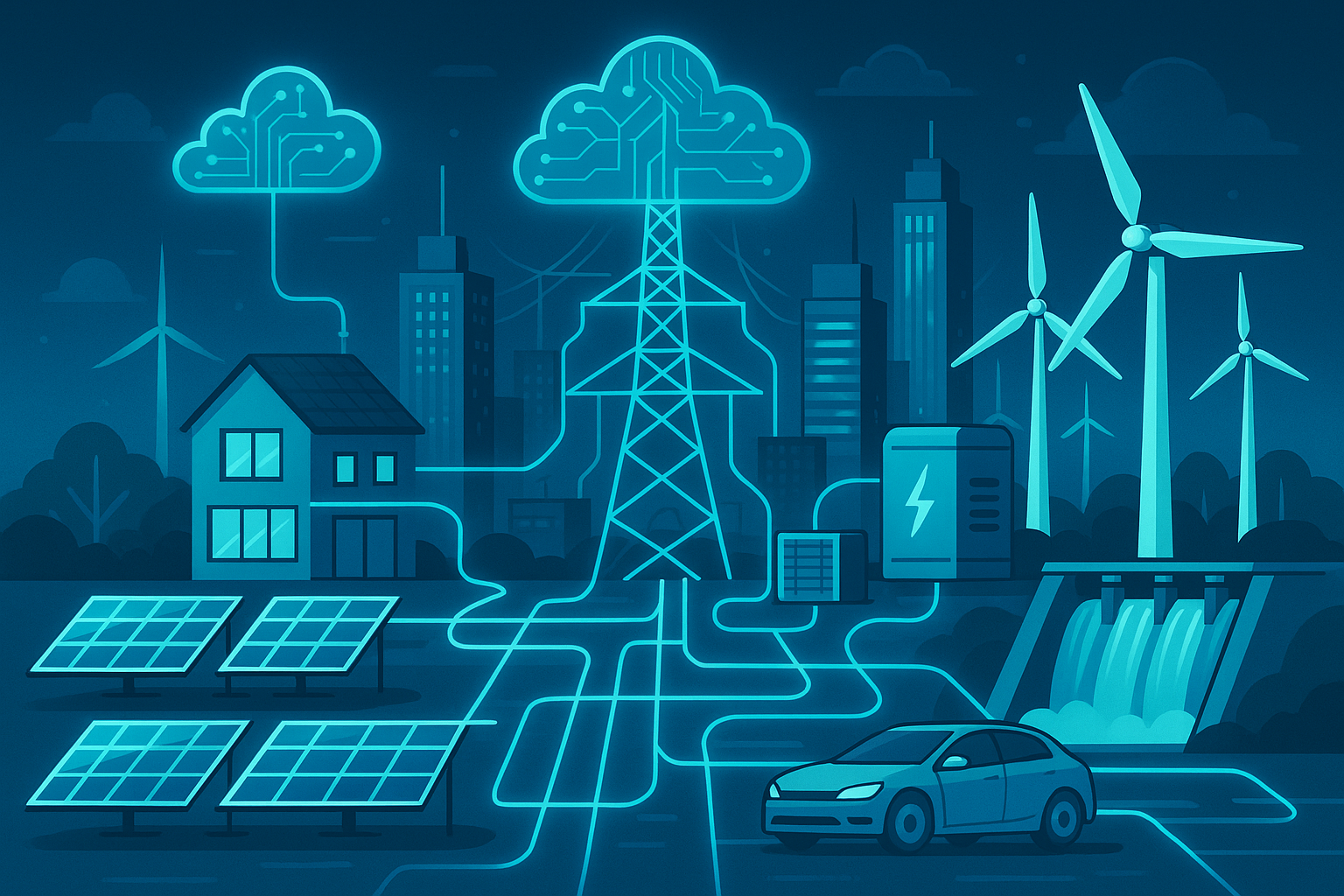
For example, in power grid management, physics-based equations govern how electricity flows through the network. Machine learning models then predict demand fluctuations based on historical usage patterns. Together, they help grid operators maintain stability and efficiency — especially during peak load periods.
| Approach | Strength | Limitation |
|---|---|---|
| Physics-Based Models | Reliable, grounded in natural laws | May miss real-world complexity |
| Data-Driven Models | Learns from real patterns and trends | Needs large, quality datasets |
| Hybrid Models | Accurate, adaptable, and robust | Requires cross-disciplinary expertise |
Why These Approaches Matter for Industry
The combination of Data-Centric Engineering and Hybrid Modeling delivers measurable benefits across sectors:
- Higher accuracy — Physics models enforce natural constraints while data-driven layers add real-world nuance
- Reduced costs — Fewer physical prototypes are needed when simulations can predict outcomes reliably
- Early failure detection — Predictive analytics can flag potential equipment failures before they cause downtime
- Sustainability gains — Smarter designs consume less energy and generate less material waste
These advantages make both approaches particularly valuable for industries where safety, efficiency, and cost control are critical priorities.
Real-World Applications Across Key Sectors
Data-Centric Engineering and Hybrid Modeling are already delivering results in several major industries:
- Aerospace: Airlines and aircraft manufacturers use digital twins of engines and airframes to monitor wear, plan maintenance, and improve safety without grounding aircraft unnecessarily.
- Healthcare: Hybrid models support the development of personalised treatment plans and smarter medical devices by combining patient data with biological and physiological models.
- Manufacturing: Factories deploy IoT sensors alongside predictive analytics to detect machine stress or component wear before a breakdown occurs, reducing unplanned downtime.
- Smart Cities: Urban traffic management systems use physics-based signal timing models combined with real-time traffic data to reduce congestion and lower fuel consumption across city networks.
What the Future Holds for Engineers and Businesses
The engineers of tomorrow will need to be as comfortable with data pipelines and machine learning tools as they are with structural analysis or thermodynamics. The convergence of data-centric design and hybrid modeling is expected to accelerate progress in:
- Autonomous and self-driving vehicle systems
- Clean and renewable energy infrastructure
- Advanced manufacturing and smart factory operations
- Space exploration and satellite systems
Organisations that invest in these capabilities now will be better positioned to lead in productivity, innovation, and environmental responsibility. The technical barrier to entry is falling as tools and platforms become more accessible, making this the right time for engineering teams to build data and modeling expertise.
In short, Data-Centric Engineering and Hybrid Modeling are not distant concepts — they are active forces reshaping how products are designed, tested, and maintained across the global economy.
Frequently Asked Questions
Traditional engineering relies heavily on physical prototypes, experiments, and theoretical models. Data-Centric Engineering uses real-time data from sensors, IoT devices, simulations, and digital twins to guide decisions, making the process faster, cheaper, and more accurate.
Hybrid Modeling combines physics-based models — which follow natural laws like heat transfer and fluid dynamics — with data-driven models built using machine learning and real-world data. The result is a model that is both scientifically sound and practically accurate.
Aerospace, healthcare, manufacturing, and smart city development are among the biggest beneficiaries. These sectors use digital twins, predictive analytics, and hybrid models to improve safety, reduce costs, and increase operational efficiency.