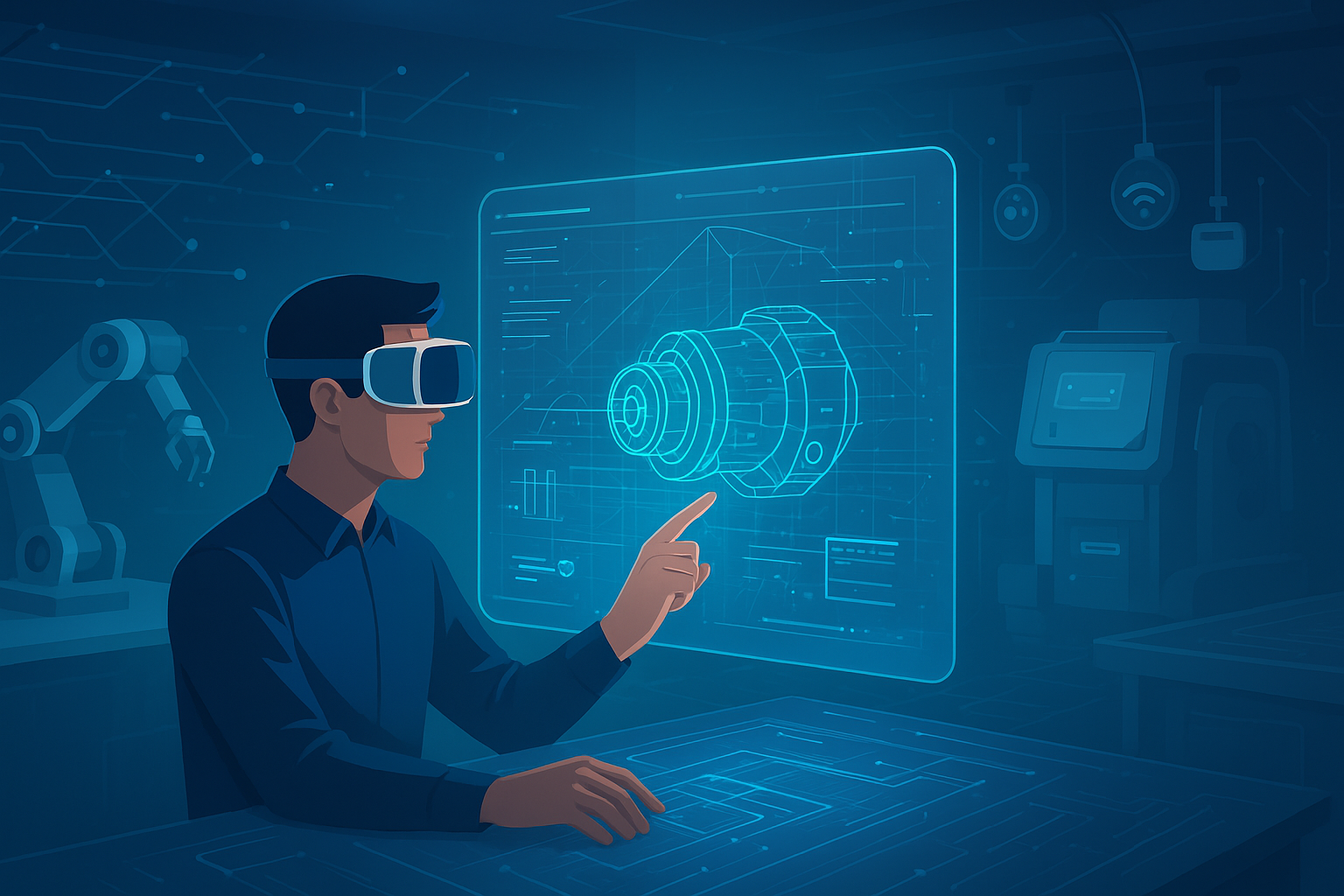

Cyber-Physical Systems, commonly known as CPS, are quietly transforming the way industries operate. By combining physical machinery with intelligent software and real-time data, CPS are driving a new era of engineering that touches everything from hospitals to highways and farms to factories.
What Are Cyber-Physical Systems?
At their core, Cyber-Physical Systems (CPS) are integrated systems where physical components — such as machines, sensors, and actuators — work in close coordination with computer algorithms and network infrastructure. This tight integration allows systems to monitor their environment in real time, make autonomous decisions, and respond to changing conditions without human intervention.
Unlike traditional automation, CPS go a step further by creating a continuous feedback loop between the physical world and digital processes. This makes them far more adaptive and intelligent than conventional control systems.
Key Features That Define CPS
- Physical-Digital Integration: Hardware and software work together as a unified system, not as separate components.
- Real-Time Data Processing: CPS analyze incoming data instantly, enabling fast and accurate responses to environmental changes.
- Autonomous Operation: Many CPS can make decisions and take actions independently, reducing the need for constant human oversight.
- Networked Communication: Components within a CPS communicate through networks, often leveraging Internet of Things (IoT) technology to extend connectivity.
Where CPS Are Being Used Today
CPS are already active across a wide range of sectors, delivering measurable improvements in efficiency, safety, and resource management.
| Sector | CPS Application | Key Benefit |
|---|---|---|
| Smart Manufacturing | Predictive maintenance, production monitoring | Reduced downtime, higher output |
| Healthcare | Real-time patient monitoring, automated treatment delivery | Improved patient outcomes |
| Transportation | Autonomous vehicles, traffic management | Safer roads, smoother traffic flow |
| Energy Management | Smart power grids, renewable integration | Balanced supply and demand |
| Agriculture | Soil monitoring, automated irrigation | Better yields, resource savings |
In smart manufacturing, CPS track machine performance continuously, predict when equipment needs servicing, and adjust production lines automatically. This reduces unexpected breakdowns and keeps operations running at peak efficiency.
In healthcare, CPS-enabled medical devices monitor patient vitals around the clock, administer treatments at precise intervals, and alert medical staff the moment an emergency arises. This level of responsiveness can be life-saving.
For transportation, self-driving vehicles depend entirely on CPS to navigate roads, detect obstacles, and make split-second driving decisions. Smart traffic systems also use CPS to manage congestion in real time.
In the energy sector, smart grids powered by CPS balance electricity supply with fluctuating demand, integrate solar and wind energy sources, and detect faults before they cause outages.
Precision agriculture uses CPS to assess soil conditions, automate watering schedules, and monitor crop health — helping farmers produce more while using fewer resources.
Benefits and Challenges of Cyber-Physical Systems
CPS bring a strong set of advantages, but they also come with real challenges that engineers and organizations must address.
Key Benefits:
- Higher Productivity: Automation and continuous monitoring streamline operations and reduce manual effort.
- Improved Safety: Constant system surveillance helps identify and neutralize risks before they escalate.
- Cost Efficiency: Predictive maintenance prevents costly surprise failures and extends equipment life.
- Sustainability: Smarter resource use leads to lower energy consumption and reduced waste.
Key Challenges:
- Cybersecurity Risks: Greater connectivity increases exposure to potential cyberattacks and data breaches.
- Technical Complexity: Designing, deploying, and maintaining CPS requires highly specialized expertise.
- Interoperability Issues: Ensuring that different systems, devices, and platforms communicate reliably with each other remains a significant engineering challenge.
CPS and the Fourth Industrial Revolution
CPS sit at the heart of what experts call the Fourth Industrial Revolution — a period defined by the convergence of physical, digital, and biological technologies. Unlike earlier industrial revolutions driven by steam, electricity, or computing alone, this wave is about intelligent, interconnected systems that think and act in real time.
Smart cities, autonomous vehicles, advanced robotics, and industrial automation are all built on CPS foundations. As these technologies mature, CPS will play an even larger role in shaping how infrastructure, healthcare, transport, and manufacturing systems are designed and operated globally.
For engineers, policymakers, and businesses, understanding and investing in CPS is no longer optional — it is essential for staying competitive in a rapidly changing world.
Cyber-Physical Systems represent one of the most significant shifts in modern engineering. Their ability to bridge the gap between the physical and digital worlds makes them a foundational technology for the industries of tomorrow. As adoption grows and challenges around security and interoperability are addressed, CPS will continue to drive progress across every major sector of the global economy.
Frequently Asked Questions
A Cyber-Physical System (CPS) is an integrated system where physical components like machines and sensors work in coordination with computer software and network infrastructure to monitor, control, and automate processes in real time.
CPS are widely used in smart manufacturing, healthcare monitoring, autonomous transportation, smart energy grids, and precision agriculture, among other sectors.
The main challenges include cybersecurity vulnerabilities due to increased connectivity, the technical complexity of designing and maintaining CPS, and ensuring interoperability between different systems and devices.