
Software development is a complex process where even small missteps can lead to costly delays, security risks, and poor user experiences. Whether you are a beginner or a seasoned developer, certain mistakes tend to repeat across projects. Knowing what they are and how to fix them can save your team significant time and effort.
Planning and Code Quality Mistakes
Two of the most damaging mistakes happen before a single line of code is written or right after coding begins.
- Starting without a clear plan: Jumping into development without defined goals leads to missed deadlines, incomplete features, and poor team coordination. Use Agile or Scrum frameworks, set clear requirements upfront, and maintain detailed project documentation throughout.
- Writing messy or unstructured code: Poorly structured code is hard to read, debug, and maintain. It builds up technical debt over time. Follow clean coding principles, use meaningful variable and function names, and write modular, reusable code blocks.
- Over-engineering the solution: Adding unnecessary complexity slows development and makes debugging harder. Apply the KISS principle (Keep It Simple) and the YAGNI principle (You Aren’t Gonna Need It). Use design patterns only where they genuinely reduce complexity.
Testing and Performance Oversights
Skipping or rushing through testing is one of the fastest ways to ship broken software. Performance issues, on the other hand, quietly drive users away.
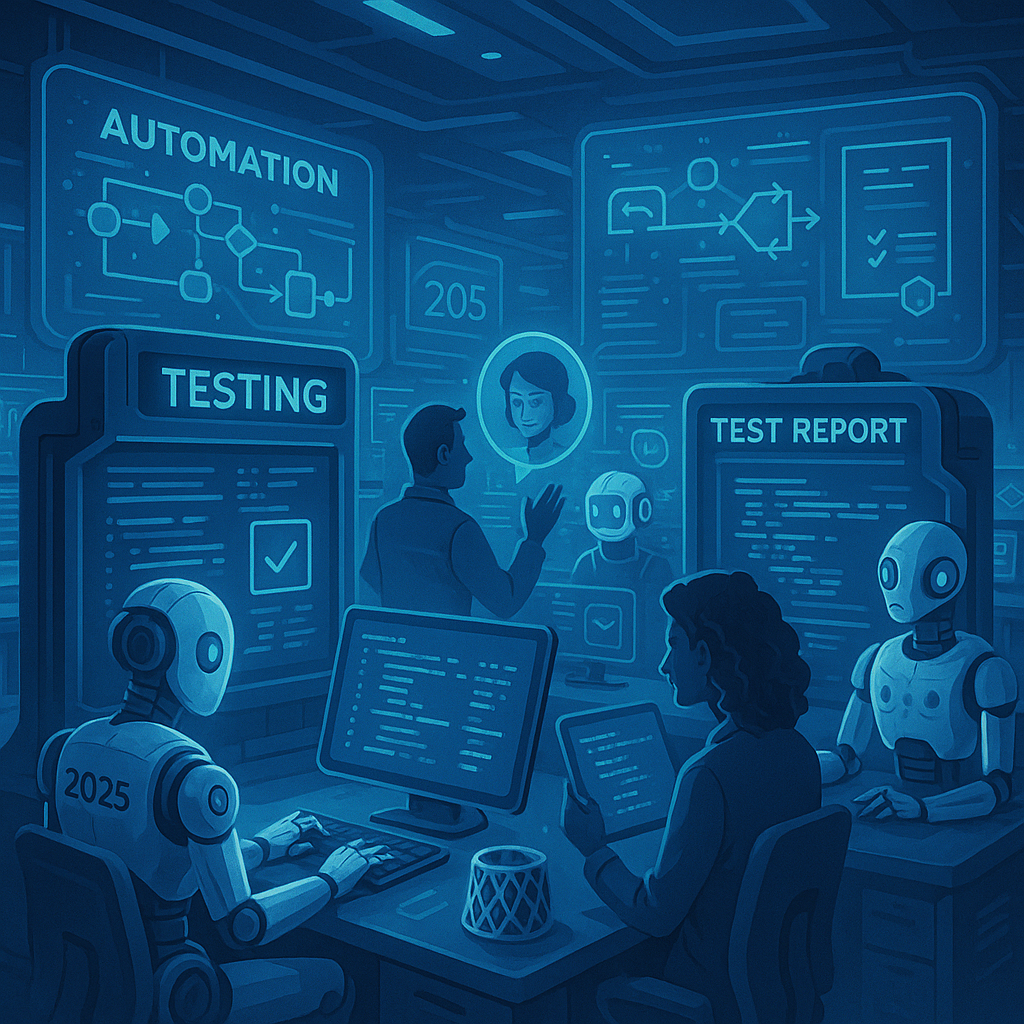
- Not testing properly: Skipping unit tests, integration tests, or functional tests increases the risk of bugs, crashes, and security vulnerabilities. Run automated tests regularly and check your application across multiple devices and browsers before release.
- Ignoring performance optimization: Slow applications frustrate users and increase bounce rates. Use caching strategies, compress images, minify JavaScript and CSS files, and implement lazy loading to keep your app fast and responsive.
A travel booking website that takes 20 seconds to load flight prices will lose users to faster competitors. Performance is not optional — it directly affects user retention and business outcomes.
Security and Data Handling Errors
Security mistakes can have serious consequences, from data breaches to complete system compromise.
- Overlooking security measures: Weak security leaves software exposed to hacking, data leaks, and malware. Implement secure authentication methods like OAuth and JWT, encrypt sensitive data, and keep all software dependencies updated regularly.
- Hardcoding sensitive information: Writing API keys, passwords, or database credentials directly into source code is a major security risk. Store sensitive data in environment variables instead, avoid uploading secrets to public repositories like GitHub, and use tools such as AWS Secrets Manager or HashiCorp Vault.
| Security Risk | Recommended Fix |
|---|---|
| Hardcoded API keys in code | Use environment variables or AWS Secrets Manager |
| Weak authentication | Implement OAuth or JWT-based login |
| Unencrypted sensitive data | Apply end-to-end encryption |
| Outdated dependencies | Schedule regular software updates and patches |
Database Design and Version Control Failures
Backend mistakes related to databases and code management can quietly cripple a project over time.
- Poor database design: A badly structured database causes slow queries, data duplication, and maintenance headaches. Normalize your database to remove redundancy, add indexes to frequently queried fields, and choose between SQL and NoSQL based on your project’s actual needs.
- Not using version control: Without version control, developers risk overwriting each other’s work and losing progress permanently. Use Git for tracking changes, adopt a branching strategy like GitFlow, and write clear, descriptive commit messages so the entire team can follow the project history.
Team Communication Breakdowns
Even technically strong teams fail when communication breaks down. Missed updates, unclear requirements, and siloed work lead to integration problems and missed deadlines.
- Use collaboration tools like Slack, Trello, or Jira to keep everyone aligned.
- Hold brief daily standups to surface blockers early.
- Document all changes and share updates with the full team promptly.
For example, a developer building a login module must coordinate closely with the backend team to ensure proper integration. Without that communication, the feature may break in production and require expensive rework.
Strong communication is not just a soft skill — it is a core part of delivering reliable software on time.
Avoiding these ten common mistakes requires discipline, the right tools, and a team culture that values quality at every stage. From planning and coding to testing, security, and collaboration, each area plays a critical role in the success of any software project. Teams that address these pitfalls early build better products, reduce costs, and deliver more reliable experiences to their users.
Frequently Asked Questions
Starting without a clear plan is one of the most common mistakes. Without defined goals and requirements, teams face miscommunication, missed deadlines, and incomplete features. Using Agile or Scrum methods helps structure the development process effectively.
Proper testing catches bugs, security vulnerabilities, and performance issues before they reach end users. Skipping unit, integration, or functional tests increases the risk of crashes and data breaches, which can damage both user trust and business reputation.
Developers should never hardcode API keys, passwords, or database credentials directly into source code. Instead, store sensitive information in environment variables and use dedicated tools like AWS Secrets Manager or HashiCorp Vault to manage secrets securely.