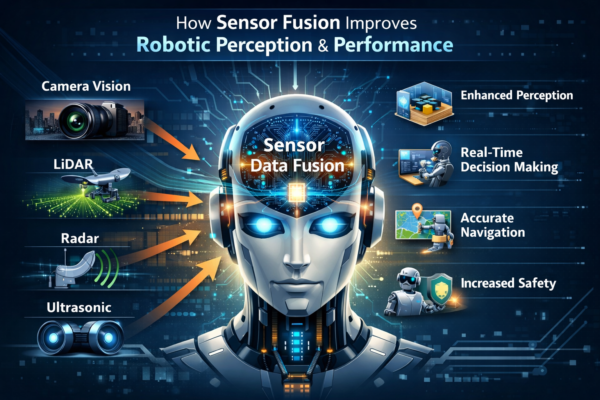
How Sensor Fusion Makes Robots Smarter, Safer, and More Reliable
Sensor fusion combines data from cameras, LiDAR, radar, and motion sensors to give robots a complete view of their surroundings, improving safety, speed, and accuracy.

Sensor fusion combines data from cameras, LiDAR, radar, and motion sensors to give robots a complete view of their surroundings, improving safety, speed, and accuracy.
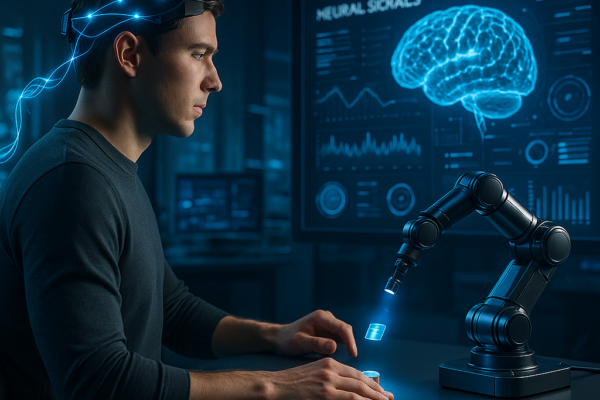
Neuro-robotics is turning science fiction into reality by linking the human brain to machines through brain-computer interfaces. Here is how it works and why it matters.

Natural Language Processing is transforming how we interact with robots. From voice assistants to hospital robots, NLP helps machines understand and respond to human language naturally.
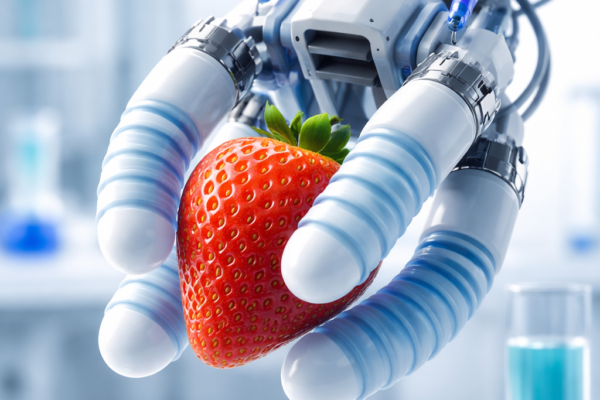
Soft robots and bio-hybrid robots are changing automation with flexible materials and living biological components. Learn how they work and where they are being used today.
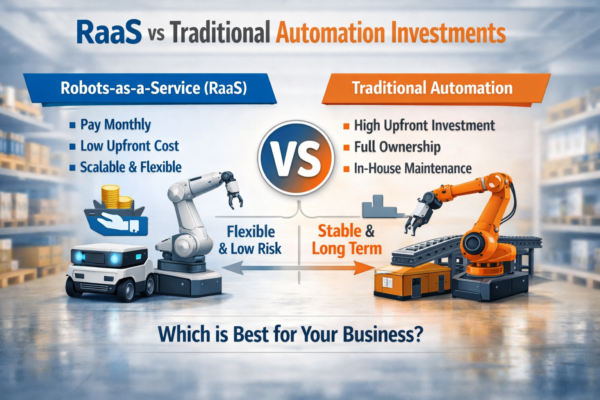
Businesses choosing between RaaS and traditional automation must weigh cost, flexibility, deployment speed, and ROI. Here is a complete comparison to guide your decision.

Discover the difference between Physical AI Robots and Analytical AI Robots, how they work, and where they are being used across industries in 2025.
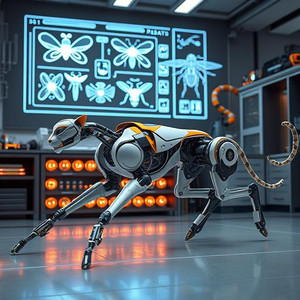
Bio-inspired robotics takes cues from nature to build smarter, more adaptable machines. From snake-like search robots to bat-inspired sensors, discover how biology is reshaping engineering.