Plastic waste has become one of the most pressing environmental challenges of our time. Millions of tonnes of plastic end up in landfills, oceans, and natural habitats every year, causing lasting damage to ecosystems and wildlife. Biodegradable plastics have emerged as a promising alternative that could significantly reduce this burden — but they come with their own set of opportunities and limitations worth understanding.
What Are Biodegradable Plastics?
Biodegradable plastics are a special category of plastic designed to break down much faster than conventional plastics. While traditional plastics can persist in the environment for hundreds of years, biodegradable versions decompose into harmless natural compounds within a much shorter timeframe.
Manufacturers typically produce these plastics using renewable, plant-based raw materials such as:
- Corn starch
- Sugarcane
- Potato starch
Because they are derived from natural sources, biodegradable plastics are considered a greener substitute for everyday single-use plastic products. When they break down — whether in a composting facility or in nature — they convert into water, carbon dioxide, and organic matter rather than leaving behind toxic residues.
How Biodegradable Plastics Help Reduce Pollution
Biodegradable plastics address plastic pollution from several angles. First, since many are made from plant-based materials, their production relies on renewable resources rather than fossil fuels, reducing dependence on oil and gas extraction.
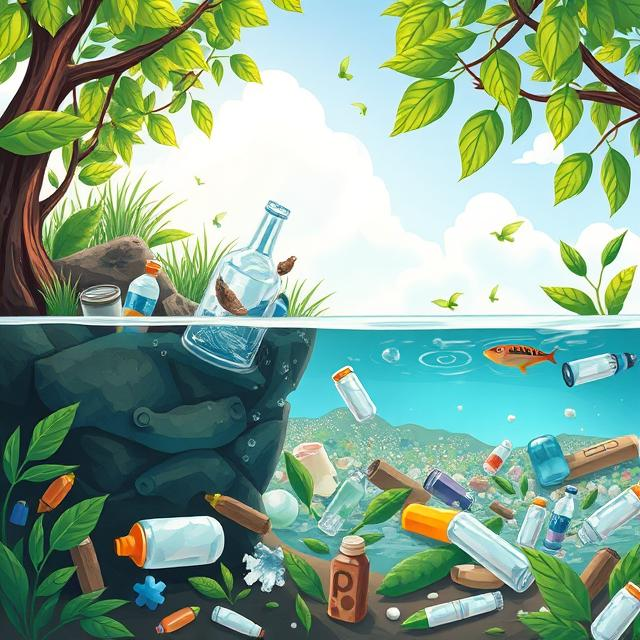
Second, their faster decomposition rate means less waste accumulates in landfills and natural environments over time. Traditional plastics that reach rivers, oceans, or open land can remain there for centuries, breaking into microplastics that enter the food chain. Biodegradable plastics, by contrast, break down more quickly, lowering the long-term environmental footprint of plastic waste.
This faster breakdown also means fewer threats to animals and marine life that often mistake plastic debris for food.
Key Benefits of Biodegradable Plastics
Switching to biodegradable plastics offers several clear environmental and practical advantages:
- Lower carbon emissions: Producing biodegradable plastics from plant starch generates fewer greenhouse gases compared to manufacturing conventional oil-based plastics. This contributes to reducing the overall carbon footprint of the plastics industry.
- Reduced landfill waste: Unlike regular plastics that can sit in landfills for centuries without decaying, biodegradable plastics decompose into natural substances over time, helping reduce the volume of waste that accumulates in disposal sites.
- Safer for marine ecosystems: Ocean plastic pollution poses a serious threat to sea creatures, many of which ingest plastic debris. Biodegradable plastics that reach water bodies break down more readily, reducing the risk of harm to marine life and helping keep ocean ecosystems healthier.
- Use of renewable resources: Relying on crops like corn and sugarcane instead of petroleum means the raw materials for biodegradable plastics can be replenished, making production more sustainable in the long run.
| Feature | Biodegradable Plastics | Traditional Plastics |
|---|---|---|
| Raw Material Source | Plant-based (corn, sugarcane) | Petroleum-based |
| Decomposition Time | Months to a few years | Hundreds of years |
| Carbon Emissions | Lower | Higher |
| Impact on Marine Life | Lower risk | High risk |
| Cost | Generally higher | Generally lower |
Challenges Holding Back Widespread Adoption
Despite their clear benefits, biodegradable plastics face real obstacles that limit how widely they are used today.
One of the biggest challenges is that many biodegradable plastics require specific conditions to decompose properly. Industrial composting facilities, for example, use high temperatures that are essential for breaking down certain types of biodegradable plastic. If these materials end up in regular landfills or open environments without those conditions, they may not decompose as intended — significantly reducing their environmental benefit.
Cost is another major barrier. Biodegradable plastics are generally more expensive to produce than conventional plastics. This price difference makes businesses and consumers less likely to choose them, even when the long-term environmental case is strong. Until production costs come down, widespread adoption will remain a challenge.
There is also a risk of consumer confusion. Not all plastics labelled as biodegradable are the same. Some require industrial composting, while others can break down in home compost or natural settings. Without clear labelling and public awareness, these products may not be disposed of correctly, negating their environmental advantages.
The Road Ahead for Biodegradable Plastics
The future of biodegradable plastics depends on a combination of technological progress, policy support, and public awareness. Several steps are needed to make them a truly effective solution to plastic pollution:
- Increased investment in industrial composting and recycling infrastructure
- Stronger government policies encouraging or mandating the use of biodegradable alternatives
- Continued research to develop more affordable and efficient biodegradable materials
- Better public education on how to correctly dispose of biodegradable plastic products
As innovation in materials science advances, newer generations of biodegradable plastics are expected to break down more reliably across a wider range of environments, making them a more practical choice for packaging, agriculture, and consumer goods.
In conclusion, biodegradable plastics represent a meaningful step toward reducing plastic pollution, offering lower carbon emissions, faster decomposition, and reduced harm to wildlife. However, realising their full potential requires addressing cost barriers, improving waste management systems, and ensuring consumers know how to use and dispose of these materials correctly. With the right support, biodegradable plastics could play a significant role in building a cleaner, more sustainable future.
Frequently Asked Questions
Biodegradable plastics are typically made from renewable, plant-based materials such as corn starch, sugarcane, and potato starch. These natural sources make them a more sustainable alternative to conventional petroleum-based plastics.
Not always. Many biodegradable plastics require specific conditions — such as the high temperatures found in industrial composting facilities — to decompose properly. If they end up in regular landfills or open environments, they may not break down as intended.
Yes, biodegradable plastics generally cost more to produce than conventional plastics. This higher cost is one of the main barriers to their widespread adoption by businesses and consumers, though ongoing research aims to bring production costs down over time.