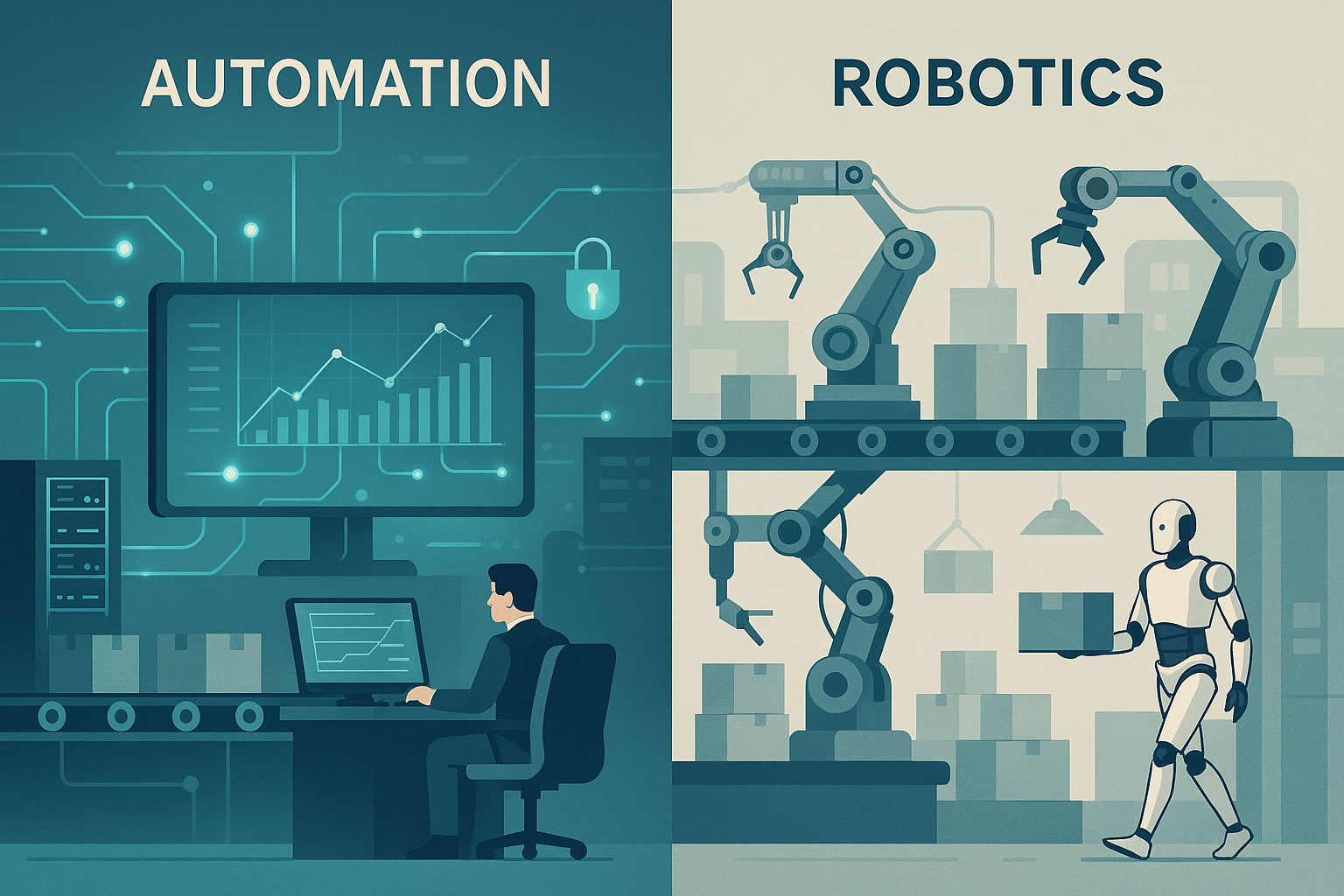
Automation and robotics are two terms that often get used together, but they mean very different things. Understanding the distinction can help businesses, students, and tech enthusiasts make smarter decisions about which technology fits their needs best.
What Is Automation?
Automation refers to using machines or software to handle repetitive tasks without human involvement. It does not always require a physical machine. A simple software program that sends scheduled emails or sorts data automatically is a form of automation.
Automation is widely used across industries to reduce manual effort, speed up processes, and lower the chance of human error. It works best for tasks that follow a fixed pattern and do not require physical interaction with the real world.
Common examples of automation include:
- Auto-reply messages when you sign up on a website
- Smart home systems that adjust lighting or room temperature automatically
- Online order processing systems
- Factory production lines where machines repeat the same task continuously
What Is Robotics?
Robotics is the field focused on designing and building physical machines called robots. These machines can move, pick up objects, sense their environment, and in some cases, learn from experience. Some robots operate fully on their own, while others are controlled by human operators.
Robotics always involves a physical machine. The robot interacts with the physical world, which makes it different from pure software-based automation.
Real-world examples of robotics include:
- Robotic vacuum cleaners that navigate and clean floors independently
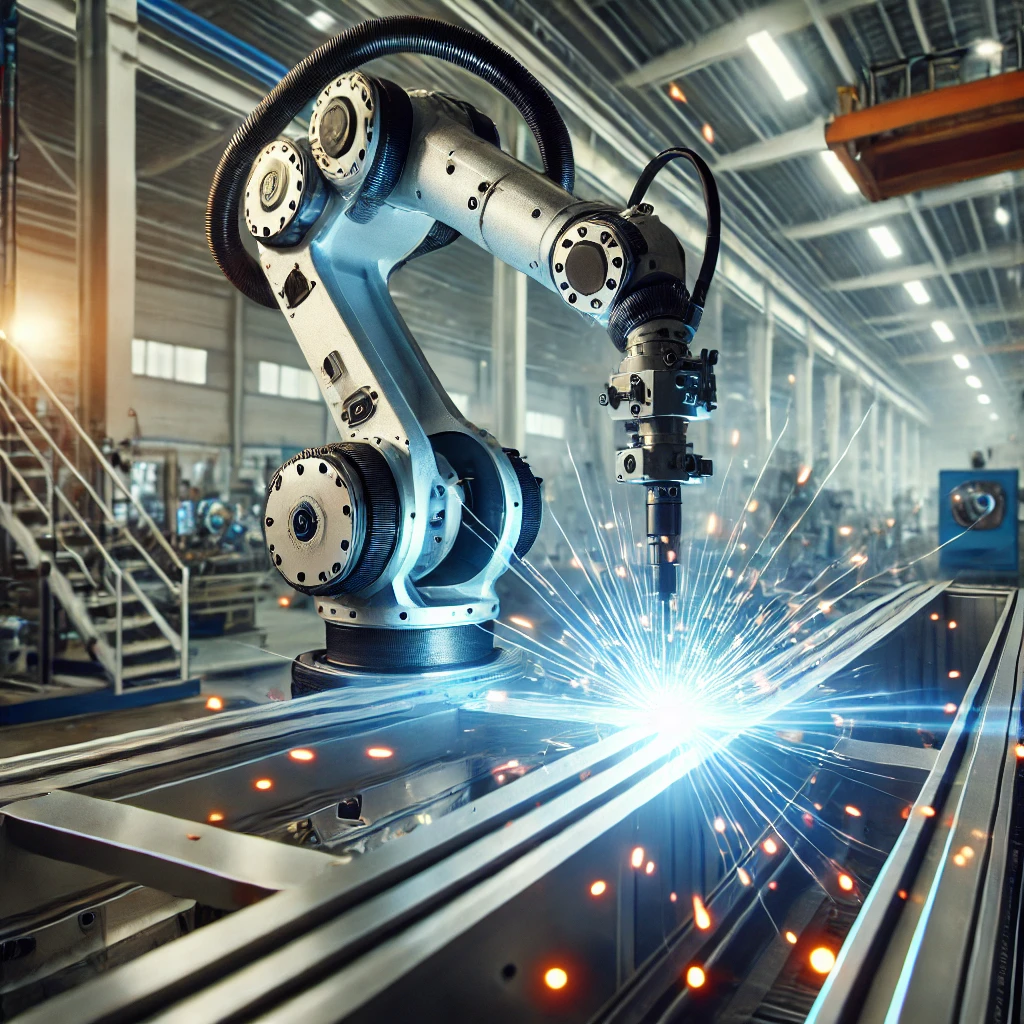
- Mechanical arms in car manufacturing plants that assemble vehicle parts
- Drones used for package delivery or aerial photography
- Surgical robots that assist doctors during medical procedures
Automation vs Robotics: A Clear Comparison
Here is a side-by-side look at how the two technologies differ across key areas:
| Topic | Automation | Robotics |
|---|---|---|
| Main Focus | Automatic task completion | Creation and use of physical machines |
| Hardware Requirement | Not always — can be software only | Always includes a physical machine |
| Use of Software | Yes | Yes |
| Application Areas | Offices, marketing, finance, factories | Factories, hospitals, logistics, homes |
| Human Involvement | Minimal to none after setup | Sometimes needed, or fully independent |
Can Automation and Robotics Work Together?
Absolutely. Many industries combine both technologies to get the best results. A car manufacturing plant is a perfect example. A robotic arm on the assembly line uses built-in automation software to repeat precise tasks all day without any human assistance. This combination helps companies save time, reduce errors, and increase overall output.
In warehouses, robots move goods from one place to another while automated software systems track inventory and process orders simultaneously. Together, they create a highly efficient operation that neither technology could achieve alone.
Which One Does Your Business Actually Need?
Knowing the difference between automation and robotics helps you choose the right solution for your specific problem.
- Choose automation if you want to save time on digital or data-driven tasks like sending emails, generating reports, or managing customer records.
- Choose robotics if you need a machine to perform physical tasks like moving products, assembling parts, or operating in environments that are unsafe for humans.
- Consider both if your operation involves physical tasks that also require intelligent software control, such as in advanced manufacturing or healthcare.
The right choice depends on your goals, budget, and the nature of the work you want to automate. Both technologies are growing fast and becoming more accessible to businesses of all sizes across India and globally.
In summary, automation is about removing manual effort from repetitive tasks, while robotics is about building machines that interact with the physical world. They are closely related, often work together, and both play a major role in shaping the future of work and industry.
Frequently Asked Questions
Automation refers to using software or machines to complete tasks without human input, and it does not always require a physical machine. Robotics specifically involves building and using physical machines called robots that interact with the real world.
Yes. Many industries combine both. For example, a robotic arm in a car factory uses automation software to perform precise tasks repeatedly without human help, improving speed and accuracy.
It depends on your needs. If you want to automate digital or data tasks like emails or reports, automation is the right choice. If you need machines to perform physical tasks, robotics is more suitable. Many businesses benefit from using both together.