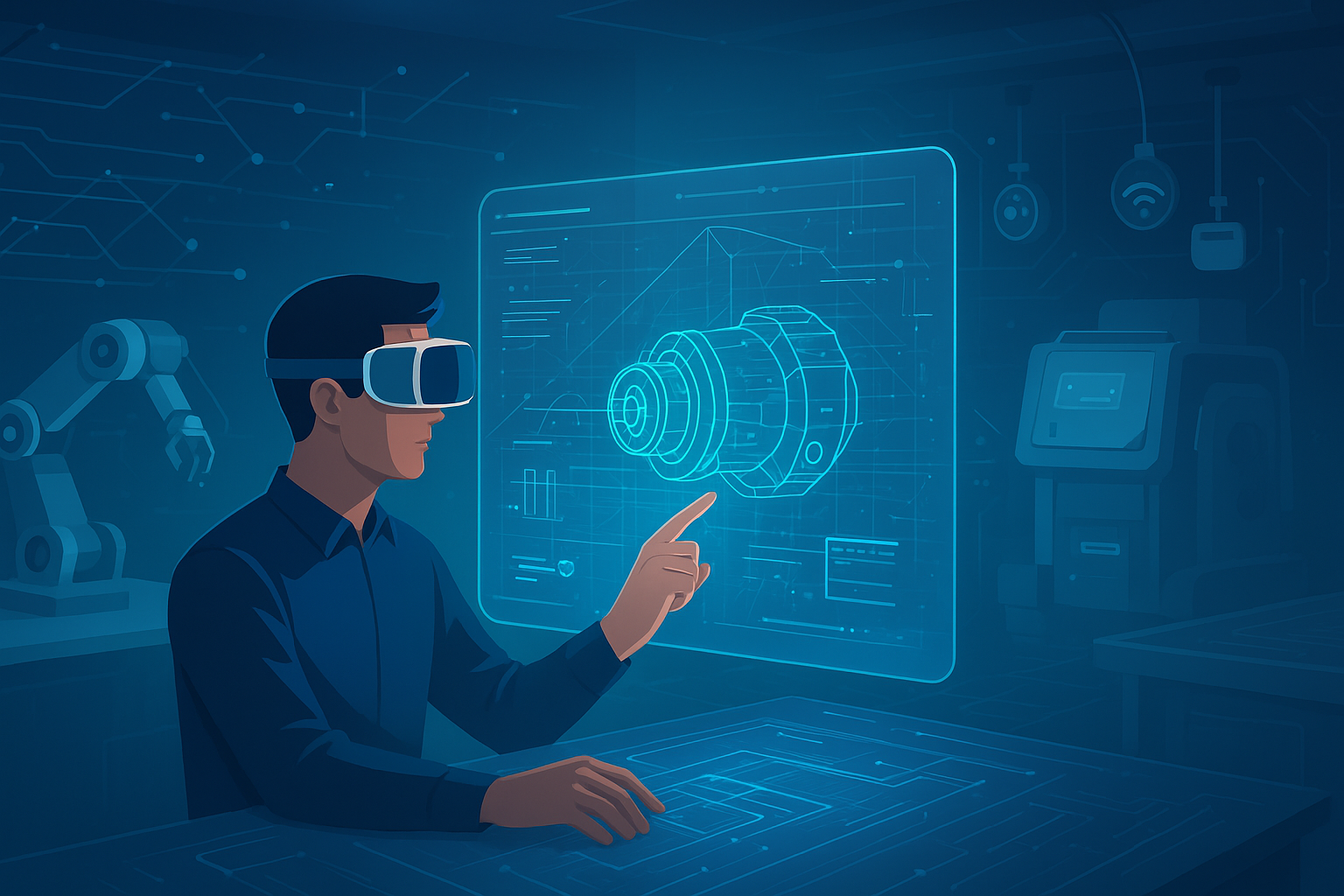
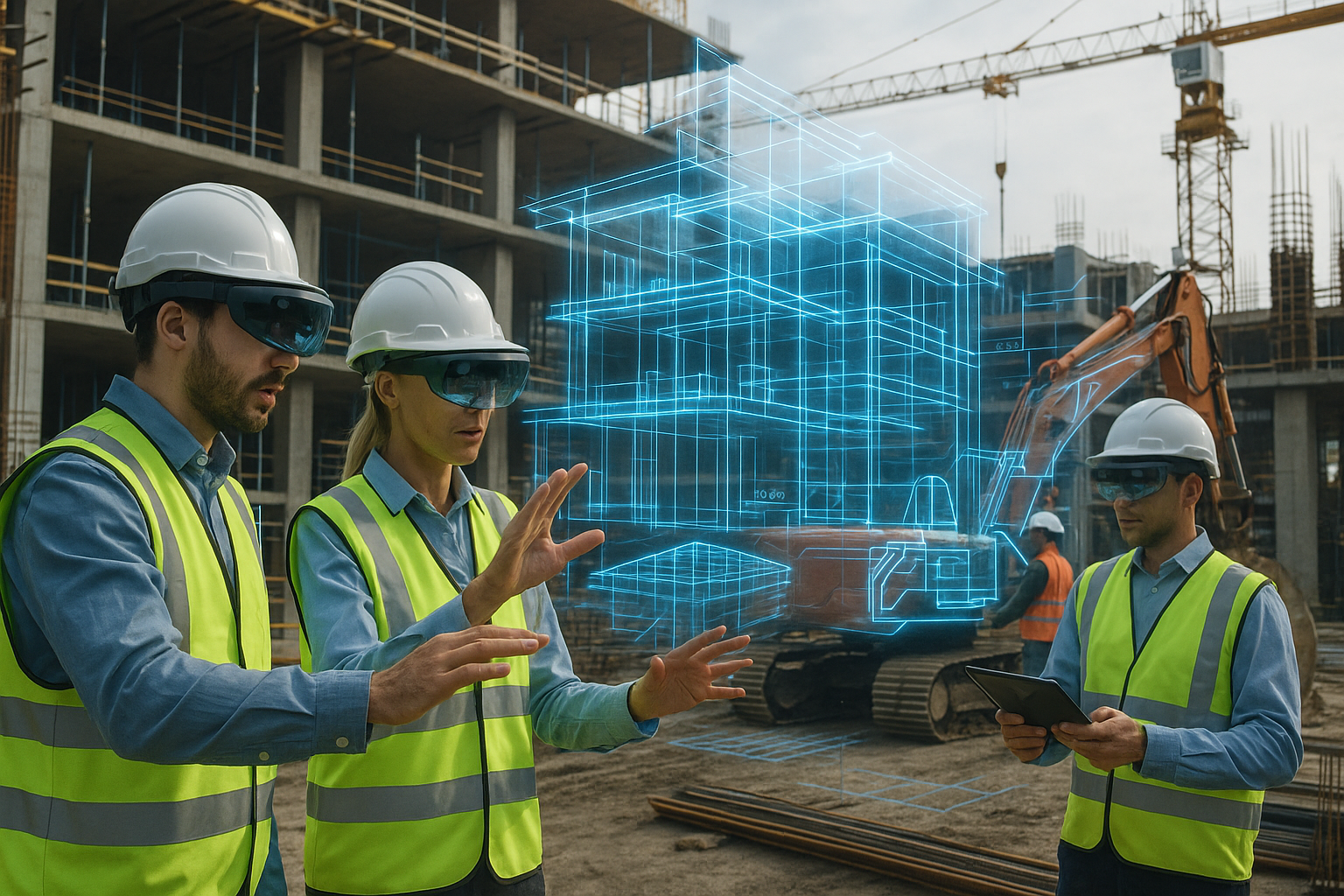
Augmented Reality, or AR, is quietly changing the way engineers work on construction sites. By layering digital information over the real world through tablets, smartphones, or AR headsets, this technology is helping engineers work faster, smarter, and more safely than ever before.
What Is Augmented Reality and How Does It Work for Engineers?
Unlike Virtual Reality, which places users inside a fully digital environment, AR adds virtual elements on top of the physical world. For engineers on a job site, this means they can see 3D models, measurements, assembly instructions, and safety alerts overlaid directly onto the actual environment around them.
Instead of flipping through printed blueprints or calling the office for updated plans, an engineer can simply point a device at a structure and instantly access all the information they need. This real-time access to data is one of the biggest practical advantages AR brings to the field.
Visualising Projects Before Construction Begins
One of the most powerful uses of AR in engineering is the ability to see a lifelike 3D model of a building or structure placed directly on the actual site — before a single brick is laid.
Traditional 2D blueprints require engineers to mentally picture how a finished structure will look and fit within its surroundings. AR removes that guesswork entirely. Engineers can walk around a virtual version of the project, identify design clashes, and make corrections at the planning stage rather than after construction has started.
- Spot structural conflicts early in the design phase
- Reduce costly rework caused by design errors
- Make better-informed decisions before committing to construction
- Save time by catching problems that would otherwise appear mid-build
Faster Decision-Making with Real-Time On-Site Data
AR gives engineers instant access to critical information while they are physically on-site. Measurements, component specifications, and step-by-step assembly guides can all appear directly in their line of sight without needing to stop work and consult separate documents.
This means less time waiting for updated plans to arrive, fewer errors caused by working from outdated information, and quicker troubleshooting when something does not go as expected. The result is a smoother workflow and fewer costly delays across the entire project timeline.
Improving Collaboration Across Teams
Large engineering and construction projects involve multiple teams — architects, structural engineers, site managers, and contractors — all of whom need to stay aligned throughout the process. Miscommunication between these groups is one of the most common causes of project delays and budget overruns.
AR helps solve this by allowing all stakeholders to view and interact with the same virtual model, even when they are working from different locations. When a design change is proposed, everyone can see exactly what it looks like in context before approving it. This shared visual understanding reduces misunderstandings and speeds up decision-making.
| Traditional Approach | With AR Technology |
|---|---|
| 2D blueprints requiring interpretation | 3D models overlaid on the actual site |
| Waiting for updated plans from the office | Real-time data accessible on-site instantly |
| In-person meetings to resolve design issues | Remote collaboration using shared AR models |
| Manual training with printed manuals | Interactive AR-guided training on actual equipment |
Safer Training and Reduced Workplace Accidents
AR is also proving valuable for training new engineers and site workers. Rather than relying solely on written manuals or classroom sessions, trainees can use AR to see step-by-step instructions and safety warnings displayed directly on the tools and equipment they are working with.
This hands-on, visual approach helps workers learn procedures more quickly and retain information better. More importantly, AR can highlight potential hazards before a worker begins a task, giving them a clear picture of what to watch out for and how to stay safe.
For industries where workplace accidents carry serious consequences, this kind of proactive safety guidance is a meaningful improvement over traditional training methods.
Cutting Costs and Keeping Projects on Schedule
Every mistake on a construction site costs both time and money. Rework, delays, and miscommunication all eat into project budgets and push completion dates back. AR helps reduce these issues by giving teams the tools to identify and resolve problems before they escalate.
When engineers can spot a design conflict at the planning stage, fix it virtually, and proceed with confidence, the entire project runs more efficiently. Fewer surprises mid-construction means fewer budget blowouts and a better outcome for everyone involved — from project owners to the workers on the ground.
As AR hardware becomes more affordable and software more capable, its adoption across engineering and construction is expected to grow steadily. For firms looking to stay competitive and deliver projects more efficiently, investing in AR technology is becoming less of an option and more of a practical necessity.
Frequently Asked Questions
Augmented reality, or AR, overlays digital information such as 3D models, measurements, and instructions onto the real world through devices like tablets, smartphones, or AR headsets. In engineering, it is used to visualise projects on-site, access real-time data, train workers, and improve team collaboration.
AR helps engineers identify design conflicts and errors at the planning stage before construction begins. By catching problems early, teams can avoid costly rework, reduce delays, and keep projects on schedule and within budget.
Yes, AR is considered a safer and more effective training method for new engineers. It displays step-by-step instructions and safety warnings directly on the equipment being used, helping trainees learn faster and understand potential hazards before starting a task.