
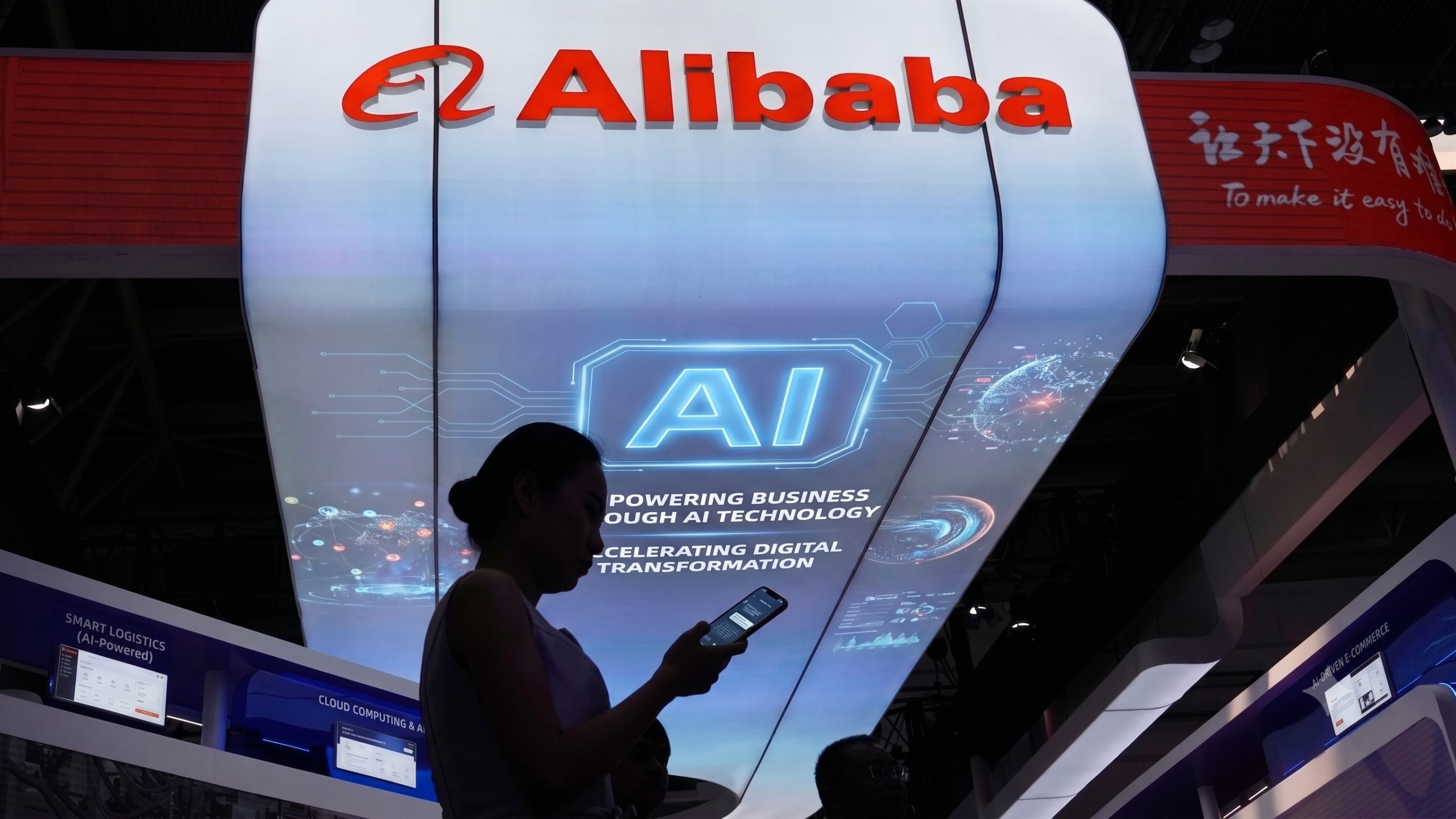
Alibaba has officially released Wan3.0, an AI video model that turns documents, spreadsheets and slides into 30-second clips, one day after closing a $10 billion share placement for AI spending.
Alibaba officially rolled out its latest AI video generation model, Wan3.0, on Monday with enhanced capabilities, one day after the Chinese internet giant launched a $10 billion share placement to fund rising AI spending.
What Wan3.0 Can Do
The new model can generate 30-second videos from documents, spreadsheets, slides and web pages, Alibaba Cloud said in a post on the WeChat platform.
That input range is the part worth noting. Many video generation tools start from a text prompt or a single image. Accepting business files as source material points the product at a different user: teams that already have material sitting in a deck or a report and want a short video version of it.
The practical appeal is straightforward:
- Existing material becomes the input. A slide deck or web page can serve as the starting point rather than a written prompt.
- Thirty seconds is a usable length. It fits common social and advertising formats without additional stitching.
- Fewer manual steps. Teams producing high volumes of short clips can cut down on repetitive editing work.
Already in Commercial Use
Alibaba said Wan3.0 had been used in short drama and film production, advertising and marketing, tourism promotion, and music video creation since a public beta version was launched on August 6.
Those categories share a common feature. All of them involve producing a large amount of short visual content on tight schedules and budgets, which is where automated generation tends to find its first commercial foothold.
The beta period also gave the model several weeks of real-world use before the wider release on Monday, rather than moving straight from announcement to general availability.
The $10 Billion Backdrop
The release came a day after Alibaba announced the share sale, the largest-ever primary follow-on offering by a Hong Kong-listed company, as it ramps up spending in the intensifying global AI race.
The timing links the two events closely. A company raising capital for AI has an obvious interest in showing what that spending produces, and a shipping product released the following day serves that purpose.
| Detail | Information |
|---|---|
| Model | Wan3.0 |
| Official rollout | Monday |
| Public beta launched | August 6 |
| Maximum video length | 30 seconds |
| Supported inputs | Documents, spreadsheets, slides, web pages |
| Share placement | $10 billion |
Earnings Pressure From AI Spending
Alibaba last week reported a 75 per cent plunge in quarterly earnings from a year ago due to soaring AI-related capital expenditure.
That figure explains much of the context around the fundraise. Building and running large AI models requires sustained investment in computing capacity well before the resulting products generate meaningful revenue, and the cost lands on the income statement immediately.
For investors, the question raised by a drop of that size is one of duration rather than direction. Heavy spending is widely expected across the sector. What remains uncertain is how long earnings stay compressed before AI products contribute at scale.
Why This Launch Matters
Video generation has become one of the more visible fronts in the global AI competition, partly because the output is easy to evaluate and partly because the commercial use cases are clear.
Several points stand out from this release:
- The model targets business workflows rather than experimentation alone, given the document and spreadsheet inputs.
- The named use cases are commercial, not demonstrative, covering film, advertising, tourism and music.
- The launch follows a fundraise explicitly tied to AI spending, connecting product output to capital allocation.
- The beta-to-release sequence suggests a deliberate rollout rather than a rushed announcement.
What to Watch Next
Several things remain open. Alibaba has not detailed how the model performs against competing systems, and independent assessment of output quality will come from users rather than from launch material.
Adoption is the other measure. Content generation tools tend to attract early attention, but sustained use depends on whether the output is good enough to ship without heavy manual correction. The industries named by Alibaba will provide that answer over the coming months.
Conclusion
Wan3.0 gives Alibaba a visible product to point to at a moment when its AI spending is weighing heavily on results. The model extends video generation to business file formats and produces clips of up to 30 seconds, and it has already been applied across several commercial industries since its August beta. Whether that translates into revenue substantial enough to offset the cost of building it is the question the next few quarters will settle.
Frequently Asked Questions
Wan3.0 is Alibaba's latest AI video generation model, officially rolled out on Monday. Alibaba Cloud said it can generate 30-second videos from documents, spreadsheets, slides and web pages.
Alibaba said the model has been used in short drama and film production, advertising and marketing, tourism promotion and music video creation since a public beta version launched on August 6.
The share placement was launched to fund rising AI spending. It was the largest-ever primary follow-on offering by a Hong Kong-listed company, and came after Alibaba reported a 75 per cent plunge in quarterly earnings due to soaring AI-related capital expenditure.