Wearable technology has come a long way from simply counting your steps or measuring your heart rate. Thanks to advanced biosensors, today’s smartwatches, fitness bands, and smart rings can track a wide range of health signals in real time — without a single needle or lab visit. Here is what you need to know about this shift in personal health monitoring.
What Are Advanced Biosensors and How Do They Work?
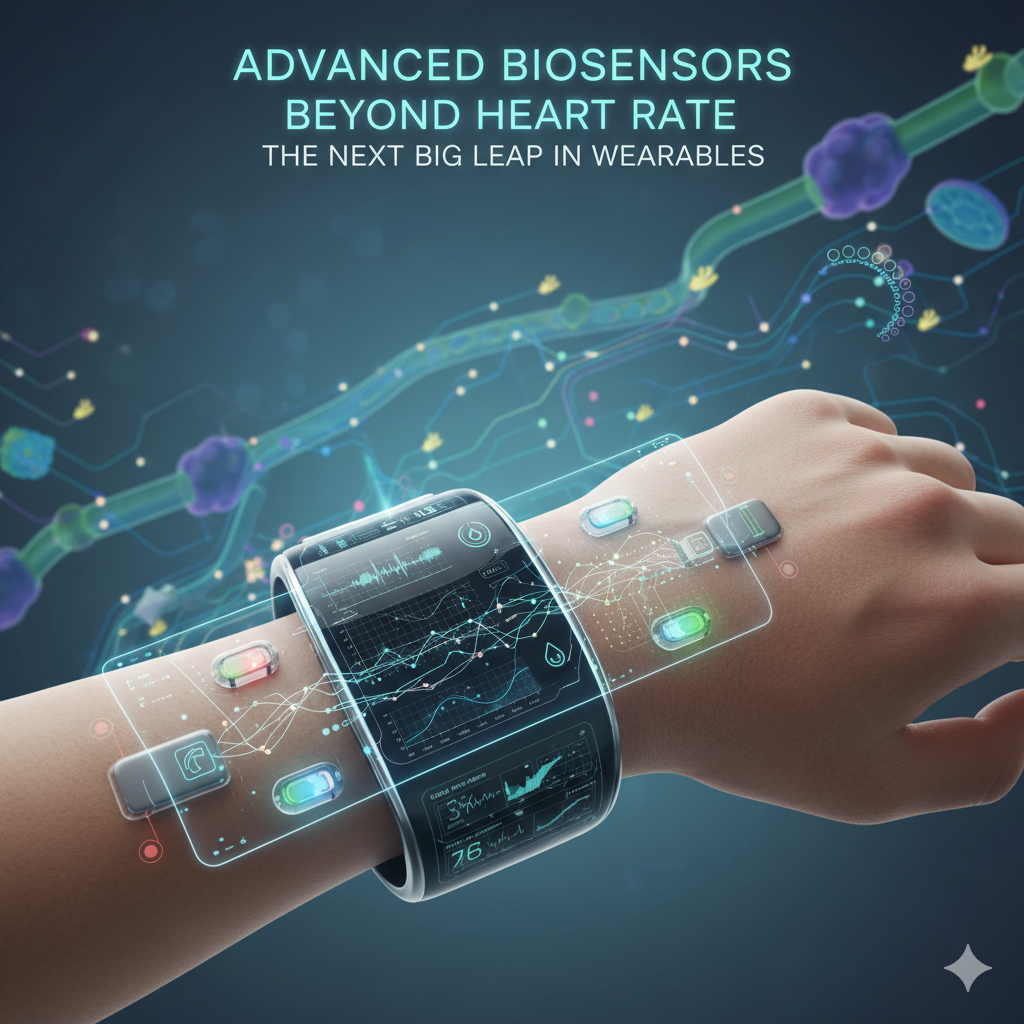
Biosensors are tiny, highly sensitive sensors built directly into wearable devices. They detect physical and chemical signals from your body — such as sweat composition, skin temperature, blood oxygen levels, and electrical activity — and convert them into readable health data.
Unlike traditional medical tests, these sensors work non-invasively. That means no blood draws, no lab appointments, and no waiting for results. You simply wear the device, and it quietly collects data throughout your day.
Devices like the Apple Watch, Samsung Galaxy Watch, Fitbit trackers, and Oura Ring are already incorporating multiple biosensors into compact, everyday wearables. The technology is improving rapidly, and newer devices are tracking health markers that were once only measurable in clinical settings.
Key Health Metrics Wearables Can Now Monitor
Modern wearables have expanded well beyond heart rate. Here are the most significant health signals that advanced biosensors can now detect:
- Hydration Levels: Some wearables analyse sweat to estimate your hydration status. This is particularly useful for athletes, outdoor workers, and anyone who struggles to drink enough water during the day.
- Body Temperature: Smart sensors can measure both skin surface temperature and estimate core body temperature. This helps track fevers, workout intensity, and even menstrual cycle changes in women.
- Stress and Mood: Electrodermal activity sensors detect tiny changes in sweat on your skin to estimate your stress levels. Several devices now offer real-time breathing guidance when they detect elevated stress.
- Blood Oxygen Saturation (SpO₂): Wearables use optical sensors to measure how much oxygen is circulating in your blood. This is important for sleep quality monitoring, high-altitude travel, and overall respiratory health.
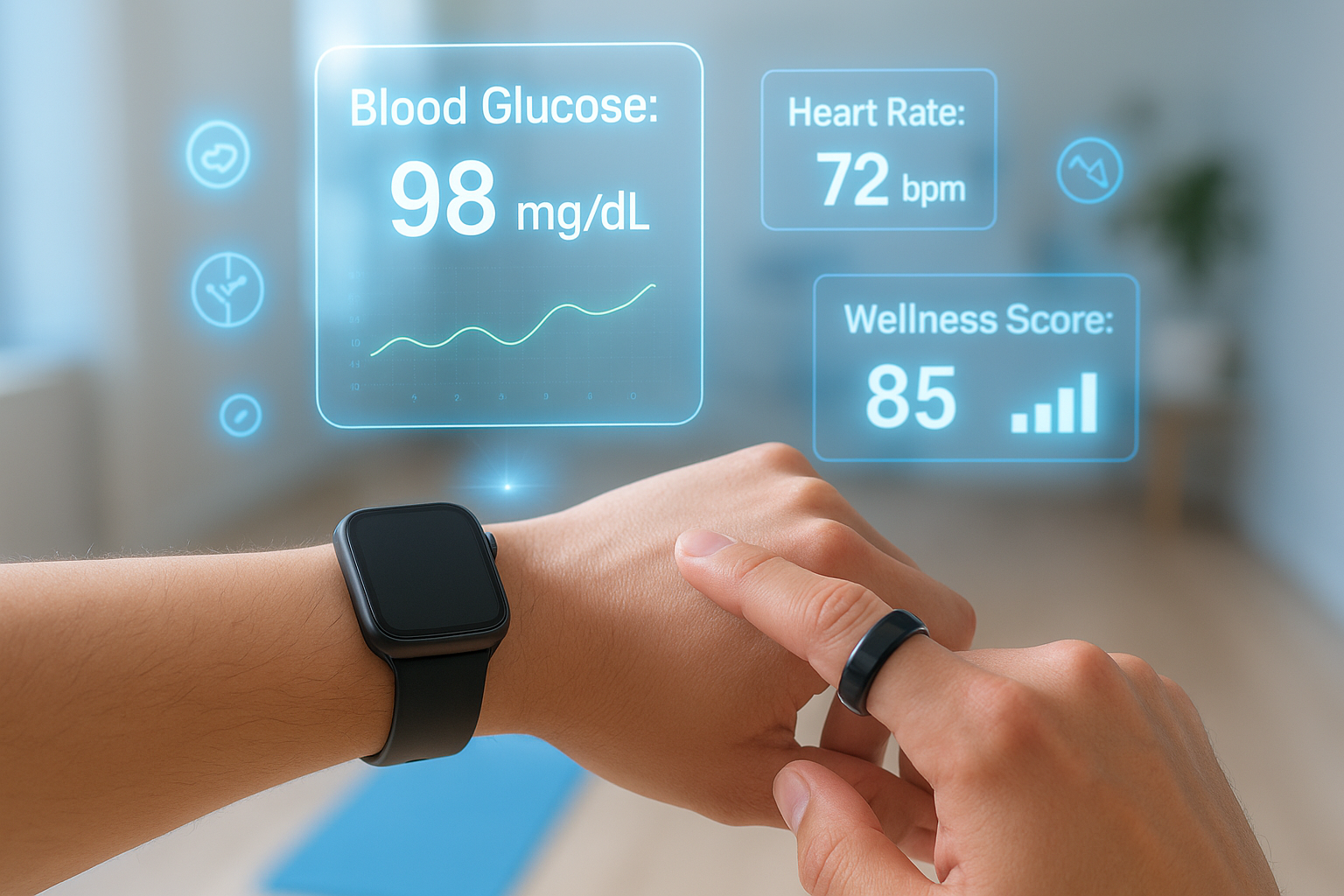
- Non-Invasive Glucose Monitoring (Emerging): One of the most anticipated developments is needle-free blood sugar tracking. This technology could allow people with diabetes to monitor their glucose levels continuously without painful finger pricks.
Comparing What Old and New Wearables Can Track
| Health Metric | Earlier Wearables | Advanced Biosensor Wearables |
|---|---|---|
| Heart Rate | Yes | Yes (more accurate) |
| Steps and Activity | Yes | Yes |
| Blood Oxygen (SpO₂) | No | Yes |
| Body Temperature | No | Yes |
| Hydration Levels | No | Emerging |
| Stress Detection | No | Yes |
| Glucose Monitoring | No | In development |
Why This Matters for Everyday Health
These sensors are turning wearables into something much more meaningful than fitness gadgets. Think of them as personal health companions that work around the clock.
Early alerts about dehydration, rising stress levels, or an unusual spike in body temperature can help you take action before a small issue becomes a serious problem. For people managing chronic conditions like diabetes or heart disease, continuous and non-invasive monitoring could significantly improve quality of life.
Beyond individual users, this data — when shared with healthcare providers — can support better diagnosis and more personalised treatment. Doctors could receive reliable, real-world health data from patients rather than relying solely on occasional clinic visits.
What the Future of Wearable Biosensors Looks Like
The next generation of wearables is expected to function like compact health labs you wear on your wrist, finger, or even in your eyewear. As the technology matures, these devices are expected to become:
- More accurate and clinically reliable
- Smaller, lighter, and more stylish in design
- Capable of sending verified health data directly to doctors and health apps
- Affordable enough for mainstream consumers across all income groups
Companies like Apple, Google, Samsung, and several health-focused startups are actively investing in biosensor research. The goal is to bridge the gap between consumer wearables and medical-grade health monitoring devices.
In the near future, your smartwatch may not just remind you to stand up — it could detect early signs of illness, flag abnormal health patterns, and even help prevent hospitalisation through timely alerts.
When wearable biosensors reach their full potential, they will play a meaningful role in preventive healthcare — shifting the focus from treating illness to avoiding it altogether. If you are shopping for a new smartwatch or fitness tracker, it is worth looking for devices that already include these next-generation health tracking features.
Frequently Asked Questions
Biosensors in wearables are small sensors embedded in devices like smartwatches and fitness bands. They detect physical or chemical signals from your body — such as sweat, skin temperature, or light absorption in blood — and convert them into health data, all without needles or lab tests.
Non-invasive glucose monitoring is still an emerging technology. Several companies are actively developing wearables that can track blood sugar levels without finger pricks, but as of 2025, no mainstream consumer wearable has received full regulatory approval for this feature.
Devices like the Apple Watch Series 9, Samsung Galaxy Watch 6, Fitbit Sense 2, and Oura Ring Gen 3 are among the most advanced consumer wearables offering biosensors for SpO₂, skin temperature, stress detection, and heart rate variability tracking.