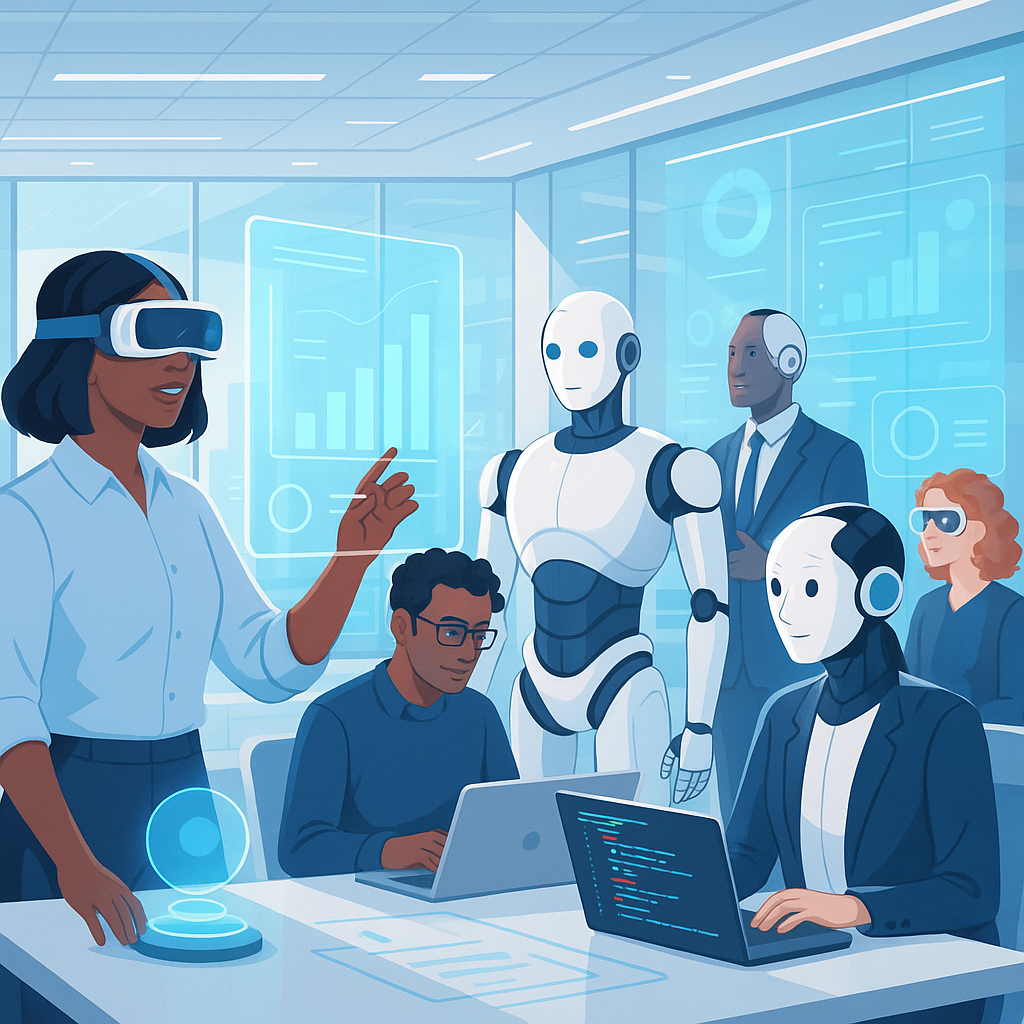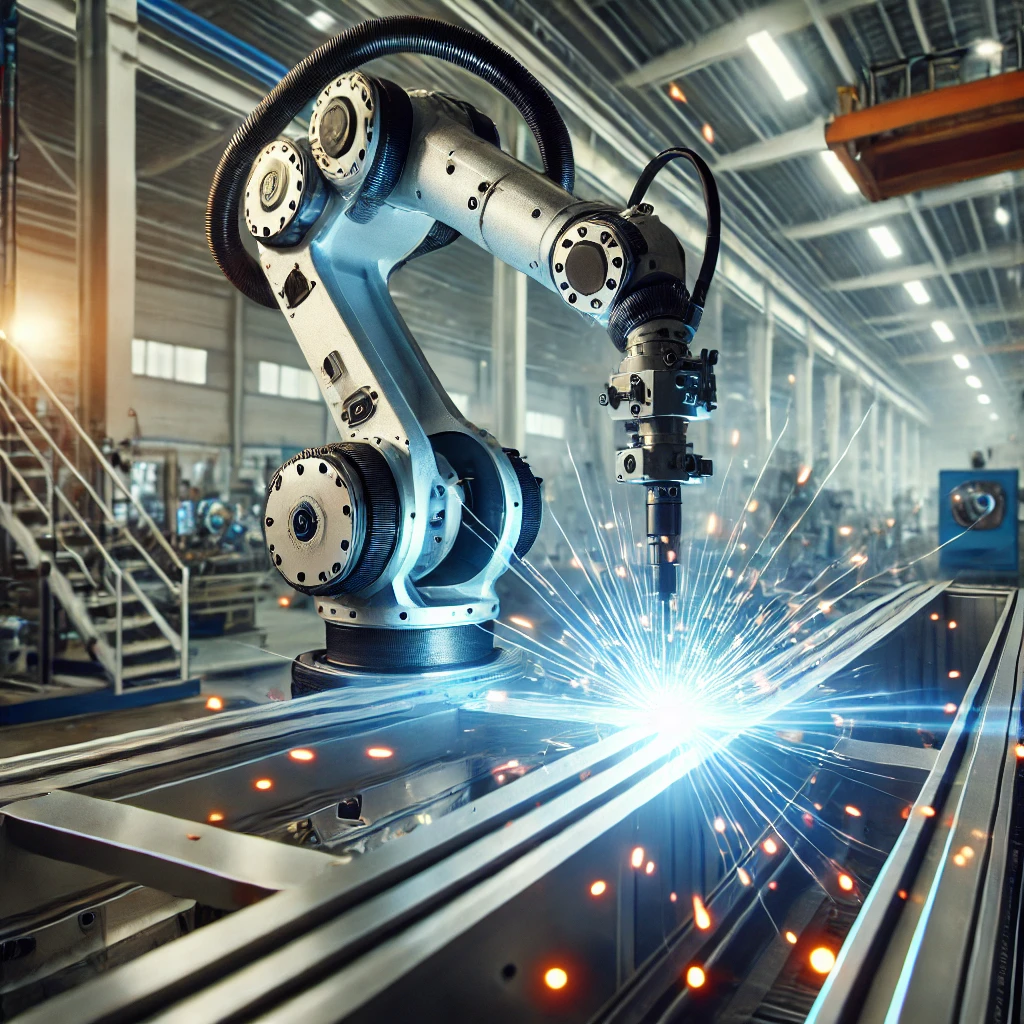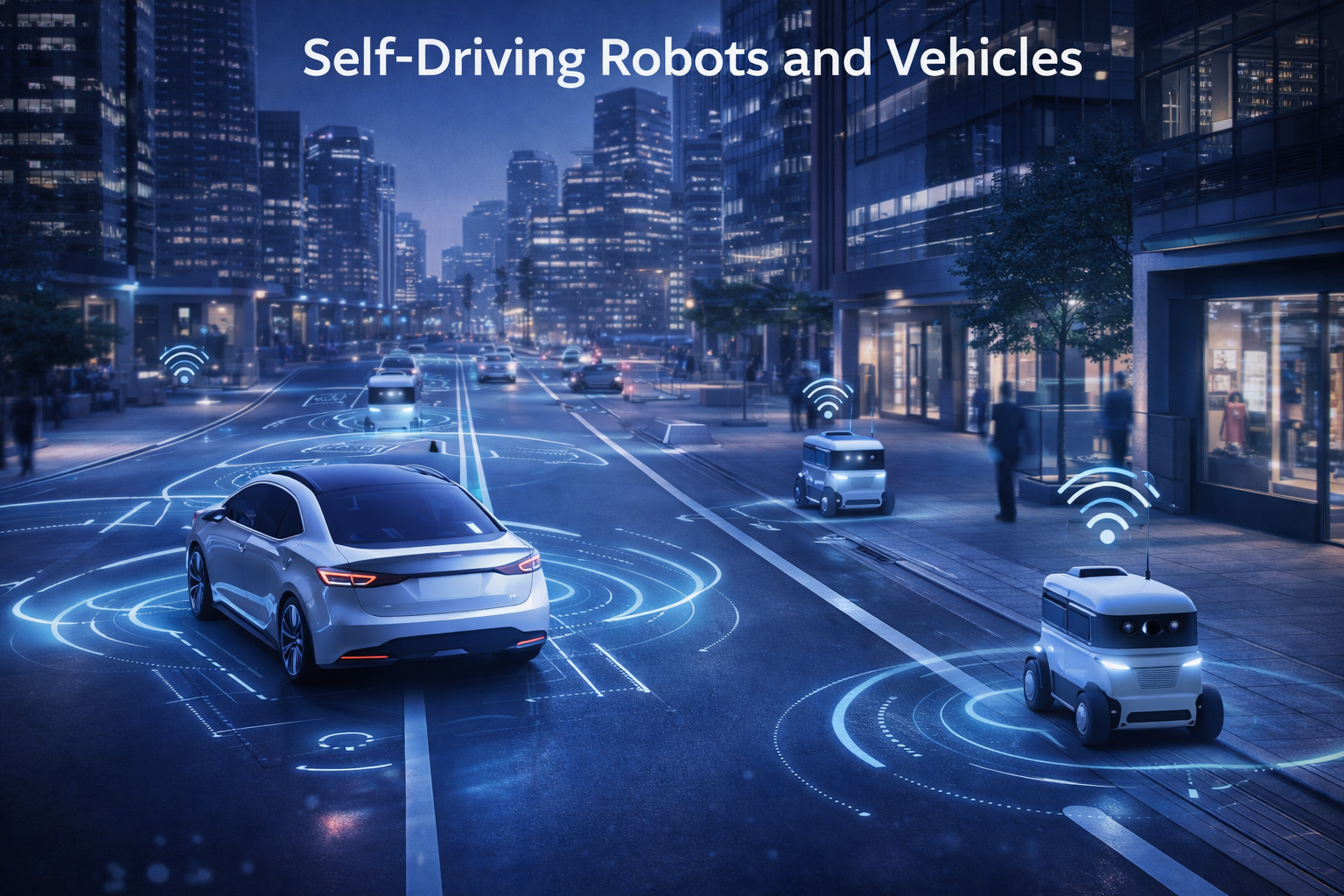
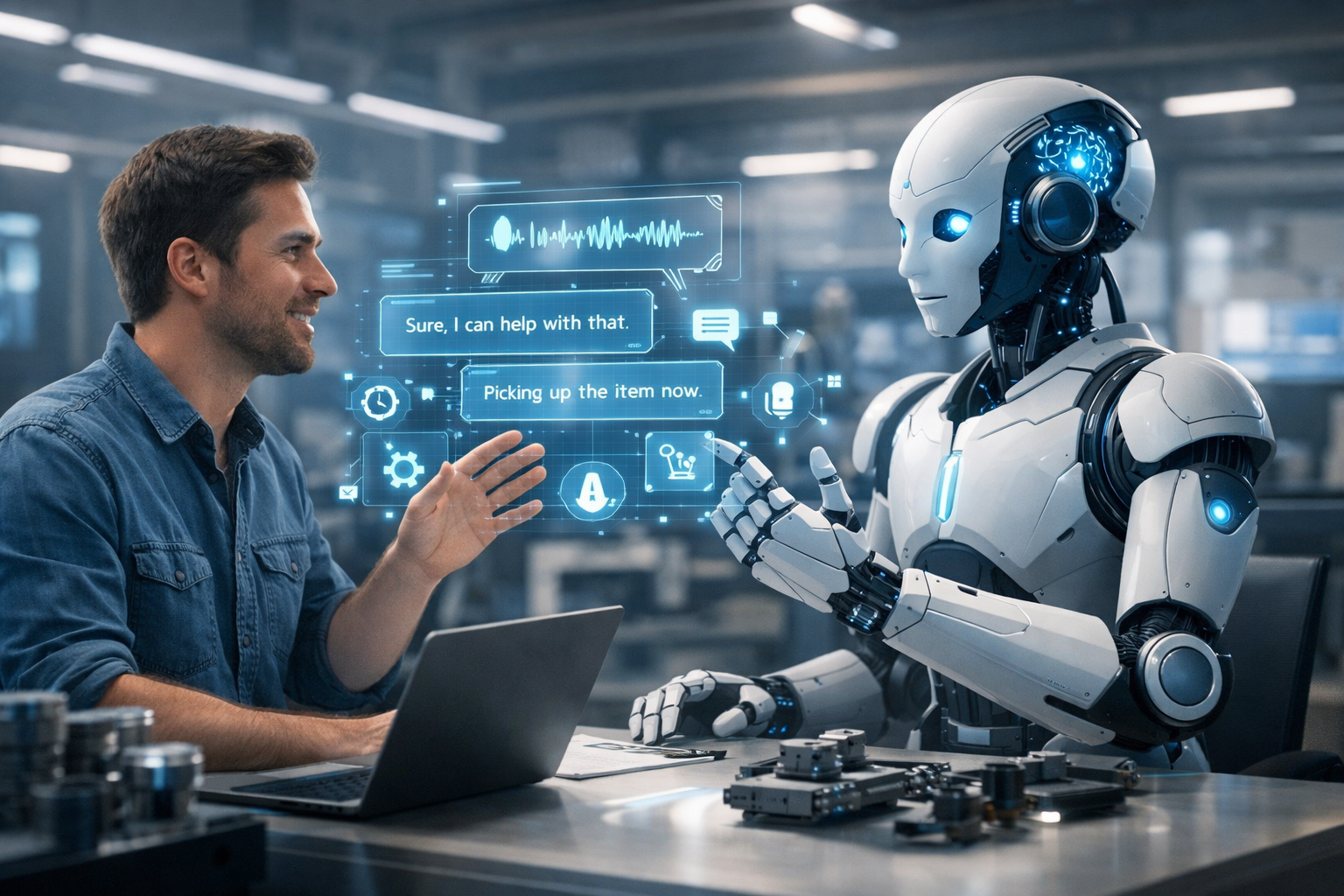
Robots are no longer confined to isolated factory floors. Thanks to advances in Natural Language Processing (NLP) and Artificial Intelligence (AI), robots can now work alongside humans, understand spoken instructions, and respond intelligently. This shift is making workplaces safer, more productive, and easier to manage across industries.
What Is Human-Robot Collaboration?
Human-robot collaboration refers to humans and robots working together in the same environment to complete tasks. Unlike older industrial robots that operated behind safety cages, modern collaborative robots — often called cobots — are designed to assist humans directly.
These robots use AI to process information, learn from experience, and make decisions. Combined with NLP, they can understand natural human speech, interpret instructions, and carry out tasks without requiring workers to learn complex programming or use technical control panels.
How NLP Enables Natural Communication with Robots
Natural Language Processing allows robots to understand human language the way people naturally speak. A worker can simply say, “Pick up the box and place it on the shelf,” and the robot will understand and act on that instruction.
This removes the barrier of technical knowledge. Workers do not need to write code or press specific buttons. They can use everyday words and phrases like “stop,” “slow down,” or “help me with this task” to control the robot in real time.
Key benefits of NLP in robotics include:
- Faster communication between workers and machines
- Fewer errors caused by misunderstood commands
- Reduced need for technical training
- Support for voice-based emergency commands in hazardous situations
How AI Makes Robots Smarter and Safer
AI gives robots the ability to learn from past interactions, identify patterns, and improve their performance over time. When a person enters a robot’s working area, AI-powered sensors and cameras detect the presence and automatically slow down or stop the machine to prevent accidents.
This real-time adaptability is critical in shared workspaces. Robots can adjust their speed, movement, and actions based on what is happening around them. The result is a safer work environment without sacrificing efficiency.
Here is a quick comparison of traditional robots versus AI and NLP-powered robots:
| Feature | Traditional Robots | AI and NLP-Powered Robots |
|---|---|---|
| Communication | Programmed commands only | Natural voice and text commands |
| Safety | Requires physical barriers | Sensor-based real-time detection |
| Training Required | High technical expertise needed | Minimal, conversational interaction |
| Adaptability | Fixed task execution | Learns and adjusts over time |
Real-World Applications Across Industries
Human-robot collaboration powered by NLP and AI is already being used across multiple sectors:
- Manufacturing: Robots assist with assembly, packaging, and quality inspections on production lines.
- Warehousing and Logistics: Voice-operated robots help workers pick, sort, and move goods in distribution centers.
- Healthcare: Hospital robots deliver medicines, supplies, and support medical staff, reducing their physical workload.
- Retail and Customer Service: AI-powered robots answer customer queries, provide directions, and assist with in-store navigation.
These applications show how human-robot collaboration is moving beyond manufacturing into everyday service environments.
Challenges and the Road Ahead
Despite significant progress, some challenges remain. Robots can still struggle with strong accents, regional dialects, or unclear speech. Real-time response accuracy and data privacy in voice-based systems are also ongoing concerns for businesses adopting this technology.
However, continuous improvements in AI models are steadily addressing these issues. Robots are becoming more reliable, more accurate in understanding diverse speech patterns, and better at handling unexpected situations.
Looking ahead, future robots are expected to go beyond speech recognition. Researchers are working on systems that can read human emotions, interpret body language, and respond to facial expressions. This would make human-robot interaction feel far more natural and intuitive.
As these technologies mature, robots will shift from being tools that follow instructions to becoming trusted partners that actively support human workers in complex, dynamic environments.
Companies that invest in human-robot collaboration today are positioning themselves for higher productivity, stronger workplace safety, and a workforce that is better equipped to handle the demands of modern industry.
Frequently Asked Questions
Human-robot collaboration is when humans and robots work together in the same environment to complete tasks. Modern collaborative robots, or cobots, use AI and NLP to assist workers safely and efficiently without requiring physical barriers or complex programming.
Natural Language Processing allows robots to interpret spoken or written human language. Workers can give everyday voice commands like 'stop' or 'pick up the box,' and the robot understands and acts on those instructions without needing technical input.
AI-powered human-robot collaboration is actively used in manufacturing for assembly and quality checks, in warehouses for picking and sorting, in hospitals for delivering supplies, and in retail for customer assistance and navigation.