Getting a good night’s sleep has become harder for millions of people dealing with stress, long screen hours, and irregular routines. Sleep-tech wearables are stepping in as practical, science-backed tools that track, analyse, and improve sleep quality. From smart rings to AI-powered headbands, these devices are changing how people understand and manage their rest.
What Are Sleep-Tech Wearables?
Sleep-tech wearables are devices designed to monitor how your body behaves during sleep and help you improve it over time. Instead of guessing why you feel tired, these gadgets collect real data from your body throughout the night.
They come in several forms, including:
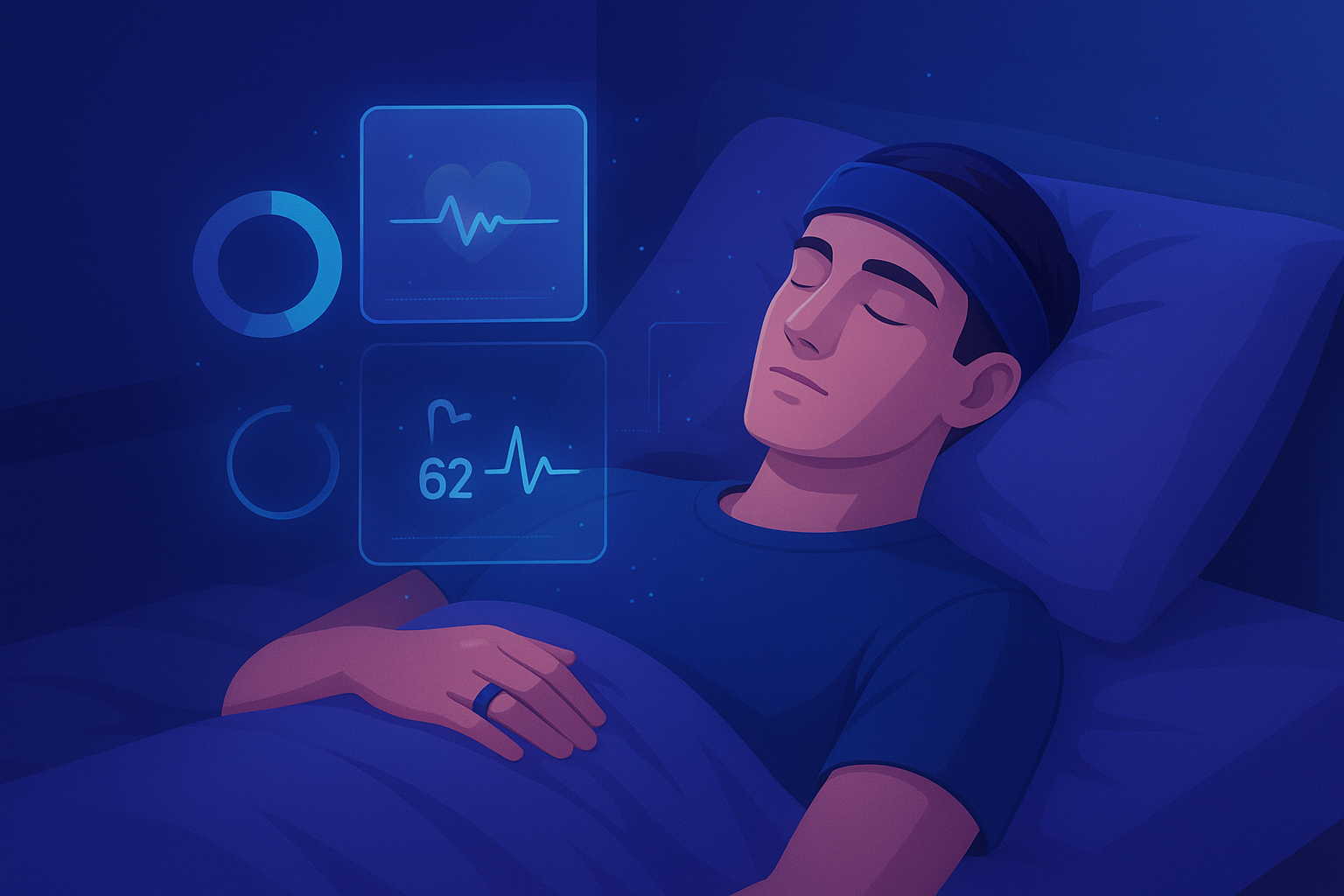
- Smart rings – lightweight and comfortable for all-night wear
- Headbands – track brain activity and sleep stages
- Wrist trackers and smartwatches – combine fitness and sleep monitoring
- Skin patches – offer medical-grade tracking with minimal discomfort
- Smart masks and pillows – block light, analyse sleep behaviour, and support relaxation
Each type takes a slightly different approach, but the goal is the same — helping users wake up feeling genuinely rested.
How Do These Devices Actually Work?
Sleep-tech wearables use small, lightweight sensors placed on or near the body. These sensors continuously record data such as heart rate, breathing patterns, body temperature, blood oxygen levels, and physical movement throughout the night.
Once the data is collected, built-in software processes it and generates a detailed sleep report. Many devices also offer personalised recommendations — for example, flagging that late-night screen time, irregular sleep schedules, or high stress levels are affecting your sleep quality. The result is actionable guidance rather than just raw numbers.
Why Are Sleep-Tech Wearables Growing in Popularity?
Sleep disorders and poor sleep quality have become widespread problems. Busy lifestyles, work pressure, and constant digital connectivity have disrupted natural sleep patterns for a large section of the population.
Sleep-tech wearables are gaining traction because they offer a data-driven, non-invasive solution. Several factors are driving this growth:
- Rising awareness about the link between sleep and overall health
- Devices becoming more accurate, comfortable, and affordable
- Growing interest in personal health monitoring beyond just step counts
- The ability to connect sleep data with mental wellness and recovery insights
As health-conscious consumers look for tools that go beyond basic fitness tracking, sleep wearables are filling an important gap.
Key Benefits of Using Sleep-Tech Wearables
The advantages of these devices go beyond simply knowing how many hours you slept. Here is what regular users typically gain:
- Better sleep quality – Identifying what disrupts your sleep allows you to address the root cause
- Health monitoring – Tracking heart rate and oxygen levels can flag early signs of stress or health concerns
- Smart alarms – Some devices wake you during your lightest sleep stage, reducing that groggy morning feeling
- Personalised advice – Tailored suggestions based on your unique sleep patterns rather than generic tips
- Long-term habit building – Consistent tracking helps users identify which lifestyle changes actually make a difference
| Device Type | Best For | Key Feature |
|---|---|---|
| Smart Ring | Comfort-focused users | Lightweight, accurate tracking |
| Headband | Deep sleep analysis | Brain activity monitoring |
| Smartwatch | All-in-one fitness and sleep | Combined health dashboard |
| Skin Patch | Medical-grade monitoring | Advanced biometric data |
| Smart Pillow/Mask | Natural sleep environment | Light blocking and behaviour analysis |
What the Future of Sleep Technology Holds
The next generation of sleep-tech wearables is expected to move beyond tracking into active, real-time sleep improvement. Researchers and developers are working on devices that could automatically adjust room temperature, generate personalised soundscapes to help the brain wind down, or detect stress before it affects sleep.
Smart pillows may soon sense sleeping posture and adjust support automatically. Advanced wearable patches could simultaneously record hydration levels, breathing quality, and muscle recovery — all without any discomfort. The direction is clear: highly personalised, data-rich support that helps each person sleep better based on their own biology and habits.
As these technologies mature, they are likely to become as common in households as fitness bands are today.
Sleep-tech wearables are steadily becoming a meaningful part of modern wellness routines. Whether you struggle with falling asleep, staying asleep, or simply want to understand your rest better, these devices offer real, measurable support. With continued advances in sensor technology and personalised health insights, restful sleep is becoming more accessible for everyone.
Frequently Asked Questions
Sleep-tech wearables collect data on your heart rate, breathing, body temperature, and movement throughout the night. They analyse this data to identify what is disrupting your sleep and provide personalised recommendations to help you build healthier sleep habits.
Smart rings and wrist trackers are generally the best starting point for beginners. They are comfortable to wear, easy to use, and provide clear sleep reports without requiring any technical knowledge.
Modern sleep-tech wearables have become significantly more accurate over the years. While they may not match clinical sleep study equipment, they provide reliable enough data for everyday use and can help users spot meaningful patterns in their sleep behaviour over time.