Earbuds have been a daily essential for years, but a new generation of in-ear devices is changing what we expect from something that fits in our ears. Called earables, these smart wearables are no longer just about audio. By 2025, they are becoming health monitors, voice assistants, and hands-free controllers — all packed into a tiny device you wear in your ear.
What Exactly Are Earables?
Earables are smart, ear-worn devices that look like regular earbuds but carry far more technology inside. They are equipped with miniature sensors, wireless connectivity, and intelligent processing capabilities that allow them to function like small computers attached to your ears.
Unlike traditional earbuds that only play sound, earables can track your body, respond to your voice, translate languages in real time, and connect with other smart devices around you. They sit at the crossroads of audio technology, health tech, and personal computing.
Health Monitoring Right From Your Ear
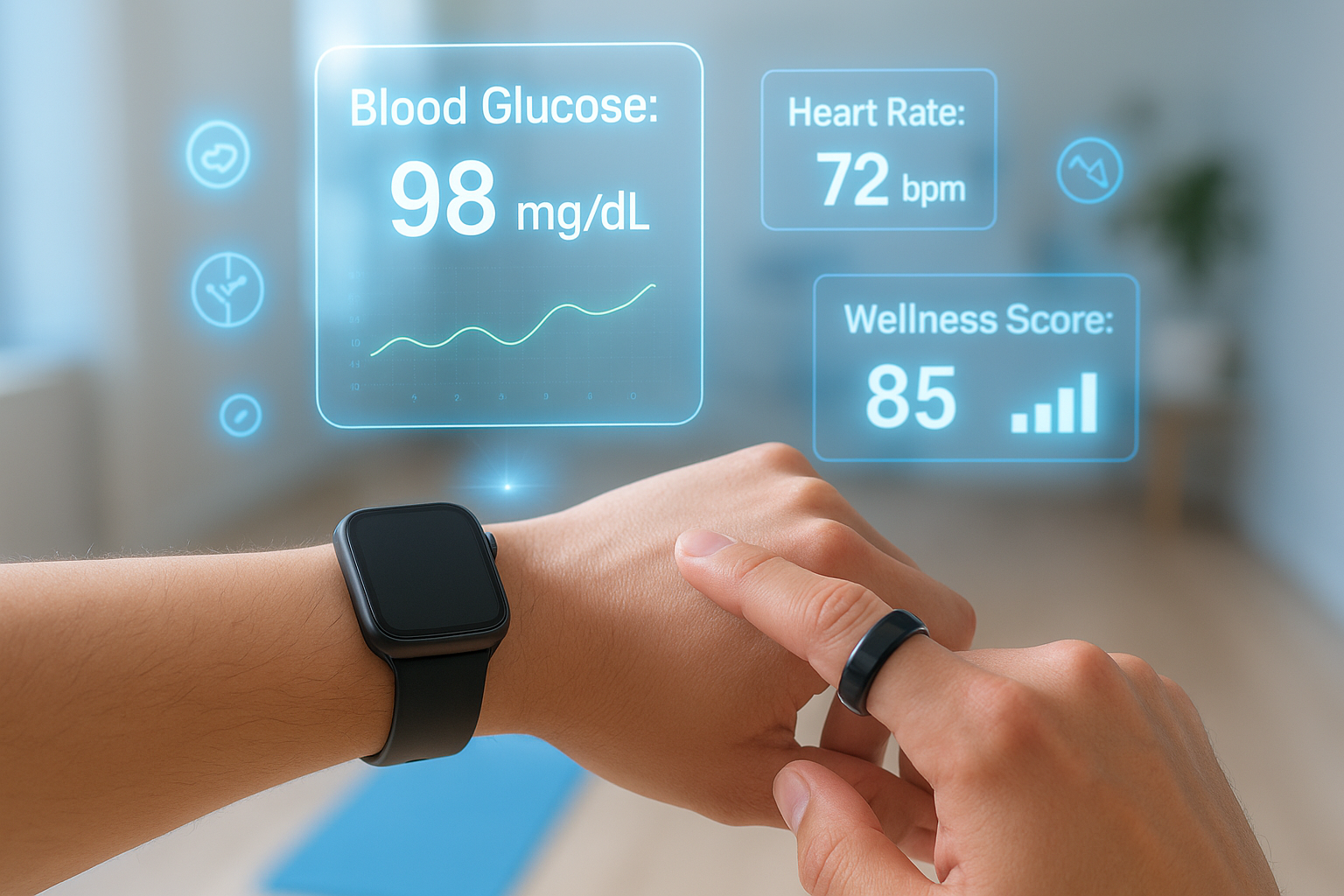
One of the biggest reasons earables are gaining attention is their ability to track health data continuously and discreetly. Here is what modern earables can monitor:
- Heart rate — tracked passively while you go about your day
- Blood oxygen levels — useful for fitness and general wellness
- Body temperature — an early indicator of illness or fatigue
- Stress levels — detected through biometric signals
- Workout performance — real-time feedback during exercise
The ear canal is actually an excellent location for biometric sensing because it sits close to major blood vessels and remains relatively stable during movement. This gives earables an advantage over wrist-worn devices like smartwatches or fitness bands in certain health measurements.
Voice Assistants and Real-Time Translation
Earables are also becoming powerful personal assistants that respond to your voice instantly. Many newer models offer features that go well beyond playing music:
- Voice recognition that responds to natural commands without needing to touch your phone
- Real-time language translation — ideal for international travel or multilingual workplaces
- Timely alerts such as traffic warnings, calendar reminders, and message notifications delivered directly to your ears
This makes earables far more useful than a standard pair of wireless headphones. They act as a constant, low-profile assistant that keeps you informed without pulling out your phone.
Gesture Control, Noise Management, and Connectivity
Earables are also introducing new ways to interact with technology through physical gestures and smart audio control.
- You can nod, tilt your head, or tap the device to skip tracks, answer calls, or trigger commands
- In gaming and augmented or virtual reality environments, earables assist with head tracking to create more immersive experiences
- Smart noise cancellation adjusts automatically based on your surroundings — blocking out background noise in a busy street or amplifying important sounds when needed
- Some models function similarly to hearing aids, making specific sounds clearer while reducing unwanted noise
On the connectivity side, earables pair easily with smartphones, smartwatches, and even smart glasses. They can be used to control smart home devices through voice commands and receive health or productivity updates throughout the day.
| Feature | Traditional Earbuds | Earables |
|---|---|---|
| Audio Playback | Yes | Yes |
| Health Monitoring | No | Yes |
| Voice Assistant | Limited | Advanced |
| Real-Time Translation | No | Yes |
| Gesture Control | No | Yes |
| Smart Device Integration | Basic | Full ecosystem |
Why Earables Are Seen as the Next Big Wearable
The wearable technology market has grown rapidly, but earables stand out because they combine multiple functions into a device people already wear every day. There are several reasons they are expected to become mainstream:
- Consumers want wearables that do more than track steps or play music
- The ear is an underused but highly effective location for sensing and communication
- Earables do not require users to adopt a completely new device — they replace something already in use
- Advances in miniaturized sensors and wireless technology are making these features more affordable
- They fit naturally into daily routines without drawing attention or requiring extra effort
As health awareness grows and people rely more on voice-based interaction with technology, earables are well-positioned to become a central part of the personal tech ecosystem.
In conclusion, earables represent a meaningful shift in how we think about in-ear devices. They are moving from simple audio accessories to intelligent, health-aware, and productivity-enhancing tools. Whether you are a fitness enthusiast, a frequent traveler, or someone who wants smarter daily tech, earables are worth watching closely as they continue to mature through 2025 and beyond.
Frequently Asked Questions
Earables are smart in-ear devices that go beyond audio playback. Unlike regular earbuds, they include sensors for health monitoring, voice assistant capabilities, real-time language translation, gesture control, and smart device connectivity — all in a compact, ear-worn form factor.
Yes. Many earables can track heart rate, blood oxygen levels, body temperature, and stress indicators. The ear canal is close to major blood vessels, making it a reliable location for biometric sensing, sometimes even more accurate than wrist-worn devices for certain measurements.
Smart earables with advanced features are increasingly available in India through major electronics retailers and online platforms. When choosing one, look for health monitoring sensors, voice assistant support, battery life, noise cancellation quality, real-time translation support, and compatibility with your existing devices.