The smartwatch industry is going through a major shift in 2025. While overall sales growth has cooled down, the devices themselves are becoming smarter and more health-focused than ever. Artificial intelligence and advanced health monitoring are now the real driving forces behind the wearables market — and they are changing what a smartwatch actually means to its owner.
Why Smartwatch Sales Are Slowing Down
For years, smartwatches were among the fastest-growing consumer electronics. But that rapid growth phase is now tapering off. Several factors explain why the market is losing momentum:
- Market saturation: A large portion of potential buyers already own a smartwatch. The initial wave of first-time buyers has passed, leaving fewer new customers to target.
- Longer device lifespan: Unlike smartphones, which many people replace every two years, smartwatches remain functional and relevant for much longer. This reduces the urgency to upgrade.
- High price sensitivity: Premium smartwatches from brands like Apple, Samsung, and Garmin carry significant price tags. Many existing users are not willing to spend again unless there is a compelling reason.
This slowdown does not signal the end of smartwatches. Instead, it marks the industry’s transition from a growth phase to a maturity phase — where quality and utility matter more than volume.
How AI Is Becoming the Heart of Modern Smartwatches
Artificial intelligence is now central to what makes a smartwatch worth buying in 2025. Brands are embedding AI capabilities directly into their devices to offer experiences that go well beyond step counting and notification alerts.
Here is how AI is changing the smartwatch experience:
- Deeper health analysis: AI processes continuous data streams — including heart rate variability, sleep patterns, and stress indicators — to give users meaningful insights rather than just raw numbers.
- Personalised fitness coaching: Instead of generic workout suggestions, AI-powered watches now recommend exercises based on your recovery status, activity history, and personal goals.
- Smarter notifications: AI filters and prioritises alerts so users receive only what matters, reducing screen fatigue and distraction.
- Predictive health alerts: Some models can flag early warning signs of irregular heart rhythms or elevated stress levels before the user notices any symptoms.
This shift positions the smartwatch less as a wrist-worn gadget and more as a personal health and productivity assistant.
Health Monitoring: The Strongest Reason to Buy a Smartwatch in 2025
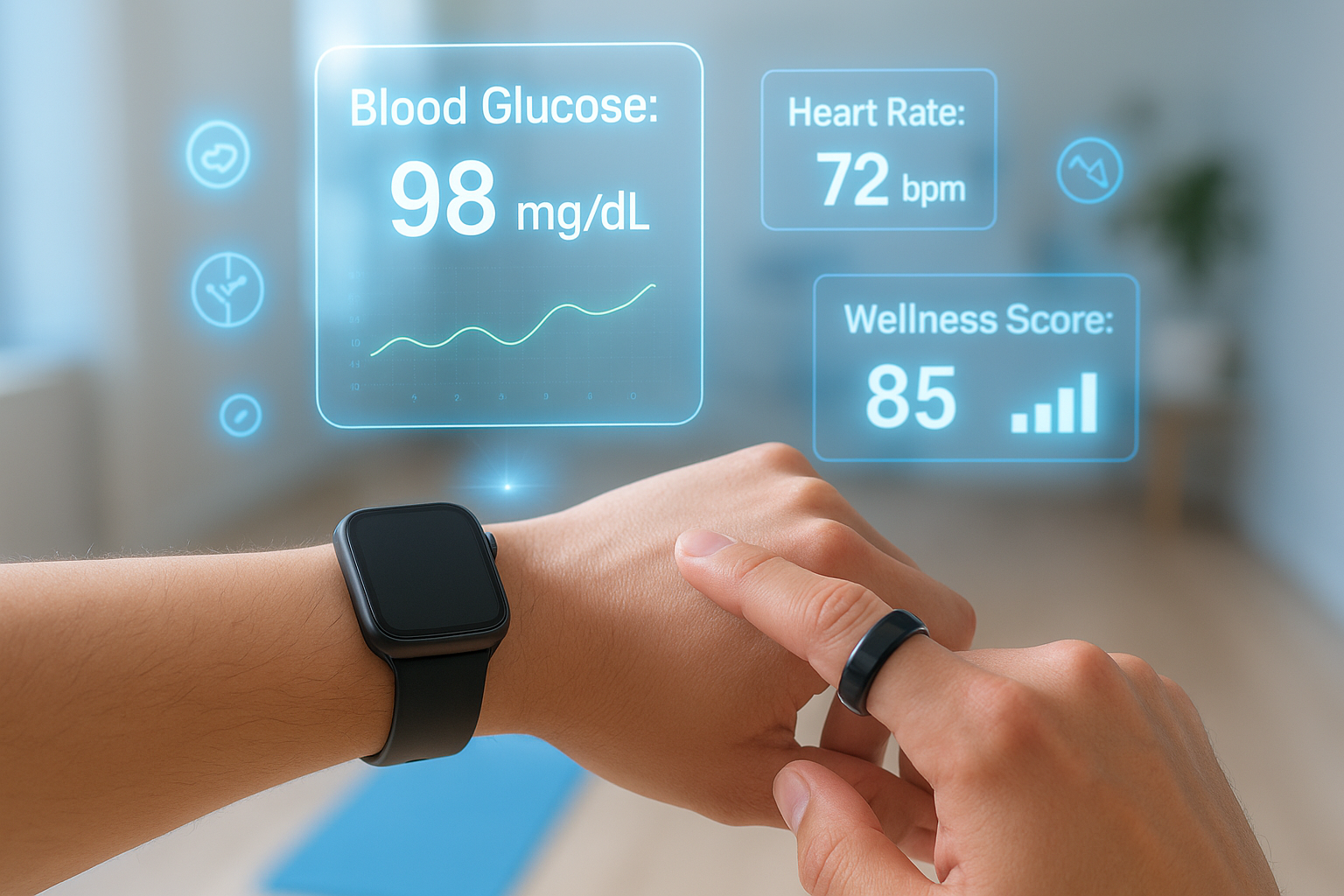
Health tracking has overtaken fitness and notifications as the primary reason people purchase or upgrade their smartwatches. The focus has moved well beyond basic step counts and calorie tracking. In 2025, leading smartwatches offer:
- Blood pressure monitoring and ECG tracking for cardiovascular health awareness
- Sleep apnea detection to identify breathing disruptions during sleep
- Stress level monitoring using heart rate variability data
- Women’s health features including menstrual cycle tracking and fertility insights
- AI-driven lifestyle reminders that nudge users toward healthier daily habits
These capabilities are turning smartwatches into proactive wellness tools. Many users now rely on their watch to catch potential health issues early, making it a device with genuine medical relevance rather than just a convenience accessory.
What This Means for the Smartwatch Industry Going Forward
The slowdown in sales volume does not mean the smartwatch market is in trouble. It means the industry is maturing and evolving. Companies are shifting their focus from selling more units to making each device more valuable and indispensable.
| Earlier Smartwatch Focus | 2025 Smartwatch Focus |
|---|---|
| Step counting and basic fitness | ECG, blood pressure, sleep apnea detection |
| Notification mirroring from phone | AI-filtered smart alerts |
| Generic workout tracking | Personalised AI fitness coaching |
| Fashion and style accessory | Personal health and wellness companion |
For consumers, this evolution means better value from each purchase. For brands, it means competing on innovation and health outcomes rather than just hardware specs or design alone.
What Buyers Should Know Before Purchasing a Smartwatch in 2025
If you are considering buying or upgrading a smartwatch this year, here are practical points to keep in mind:
- Prioritise health features that match your personal needs — whether that is heart health, sleep quality, or stress management.
- Check whether the watch requires a subscription for advanced health insights, as some brands charge extra for AI-driven analysis.
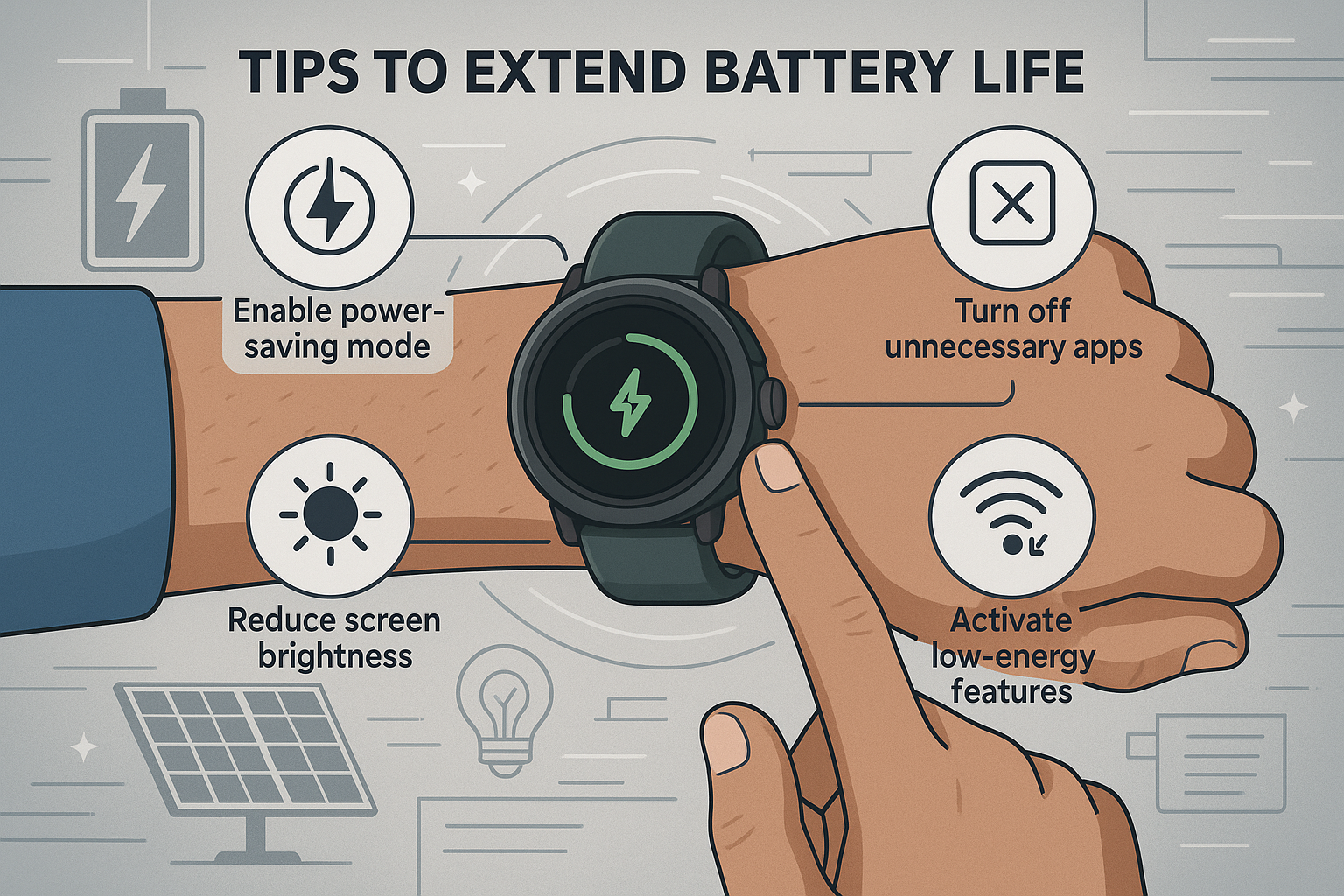
- Consider battery life carefully, since more sensors and AI processing can drain power faster on some models.
- Look for devices that receive regular software updates, as AI health features often improve significantly through firmware upgrades.
The best smartwatch in 2025 is not necessarily the newest or most expensive one — it is the one that genuinely supports your health and daily routine in a meaningful way.
The smartwatch market in 2025 tells an interesting story. Sales growth may have slowed, but the devices themselves have never been more capable or more relevant. With AI and health monitoring now at the core of the wearables experience, smartwatches are evolving from cool gadgets into essential personal health tools — and that makes their long-term future stronger than ever.
Frequently Asked Questions
The smartwatch market is slowing because many potential buyers already own a device, smartwatches last longer than smartphones reducing upgrade frequency, and high prices make consumers hesitant to buy new models without a strong reason to upgrade.
Modern smartwatches in 2025 use AI to provide deeper health insights, personalised fitness coaching, smart notification filtering, and early warning alerts for irregular heart rhythms or elevated stress levels based on continuous sensor data.
Key health features to look for include ECG and blood pressure monitoring, sleep apnea detection, stress level tracking, women's health monitoring, and AI-driven lifestyle reminders. Also check if advanced health insights require a paid subscription.