Smart glasses have had a rough past. Early versions were bulky, expensive, and largely ignored by everyday consumers. But 2025 is shaping up to be a turning point. With major tech companies pouring resources into sleeker designs and powerful AI features, smart glasses are no longer a novelty — they are becoming a practical everyday wearable.
What Are Smart Glasses and How Do They Work?
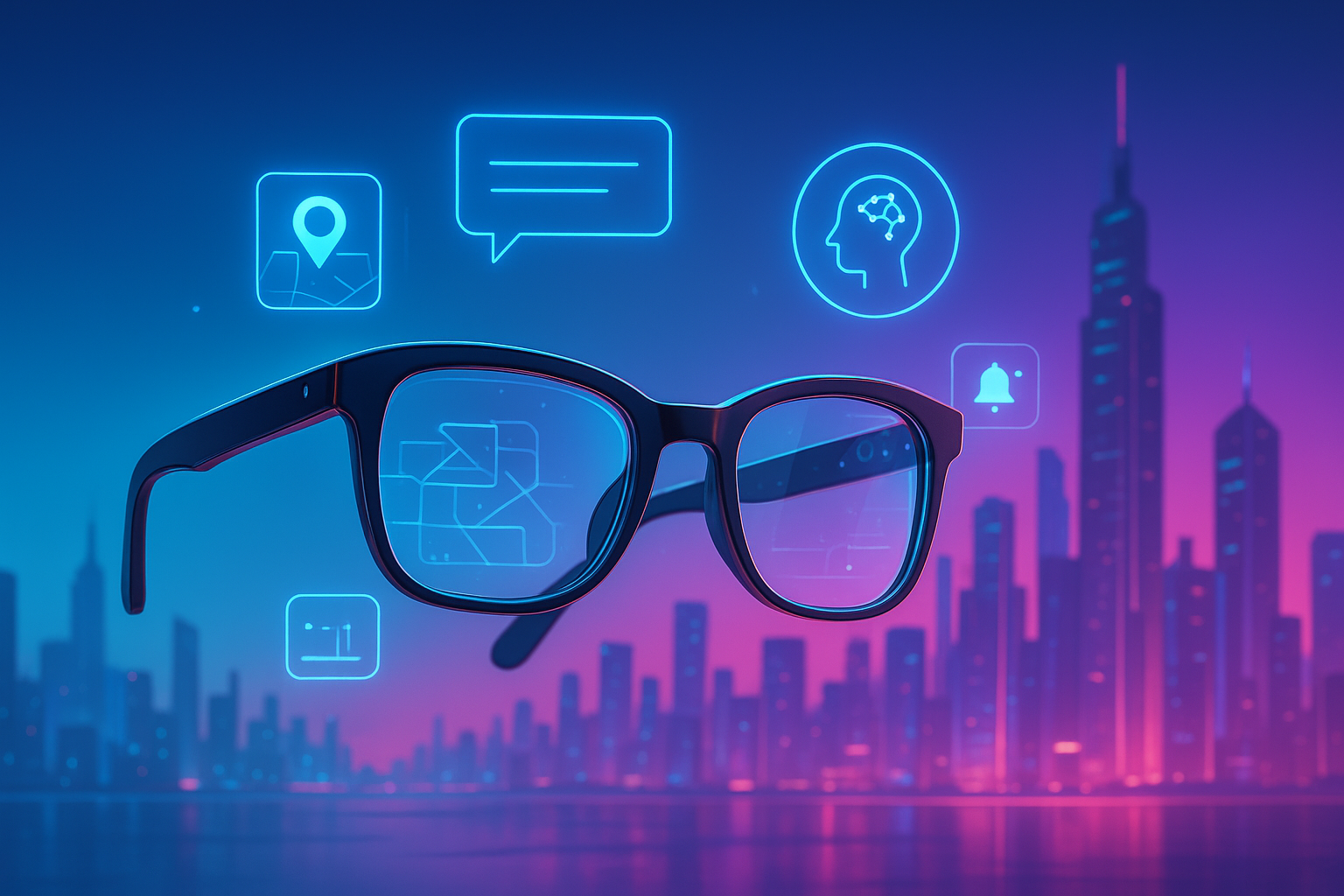
Smart glasses look like regular eyewear but carry built-in technology that connects to your smartphone or works independently. Depending on the model, they can display maps and directions directly in your line of sight, show message notifications, take photos or videos, play audio, and even act as a voice-activated assistant.
Unlike bulky VR headsets that isolate you from the real world, smart glasses are designed to blend into your daily routine. You wear them like any other pair of glasses, but they quietly add a layer of digital information to your physical environment.
Why Smart Glasses Are Trending Again in 2025
Several factors have come together to bring smart glasses back into the spotlight this year:
- Big tech investment: Companies like Apple, Meta, and Samsung are actively developing and launching smart glasses with improved hardware and software.
- AI-powered features: Voice assistants, real-time language translation, health monitoring, and contextual suggestions make these devices far more useful than earlier versions.
- Lifestyle shift: Consumers increasingly want hands-free gadgets that fit naturally into their lives, rather than devices that demand constant attention.
- Better design: Modern smart glasses are fashionable and lightweight, making them easier to wear throughout the day without discomfort.
Key Benefits of Smart Glasses for Everyday Users
The appeal of smart glasses goes beyond just looking futuristic. Here is what they actually offer in practical terms:
- Hands-free convenience: Check messages, answer calls, and receive notifications without pulling out your phone.
- Turn-by-turn navigation: See directions overlaid in your field of view while walking or cycling.
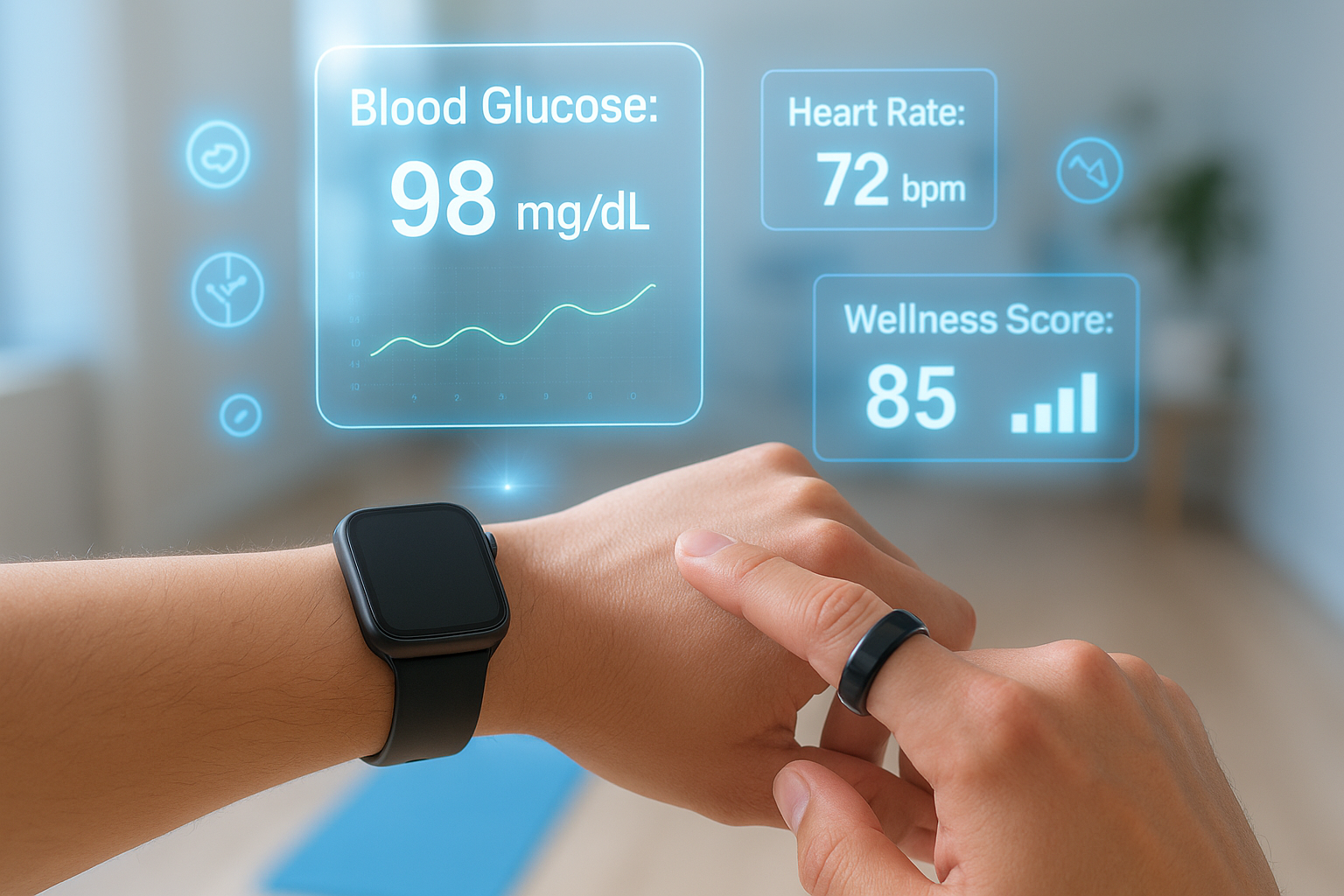
- Health and fitness tracking: Monitor your step count, heart rate, and daily activity without wearing a separate fitness band.
- Real-time translation: Some models can translate spoken language instantly, which is useful for travelers and professionals.
- Style meets technology: Brands are now collaborating with eyewear designers to create frames that look like premium fashion accessories.
| Feature | Smart Glasses | Smartwatch | VR Headset |
|---|---|---|---|
| Hands-free use | Yes | Partial | Yes |
| Wearability | High | High | Low |
| Real-world visibility | Full | Full | Limited |
| AI integration | Growing | Moderate | High |
Challenges That Smart Glasses Still Need to Overcome
Despite the progress, smart glasses are not without their limitations. Here are the key hurdles the industry still faces:
- High price point: Premium models remain expensive, putting them out of reach for many consumers in price-sensitive markets like India.
- Privacy concerns: Built-in cameras raise serious questions about consent and surveillance in public spaces.
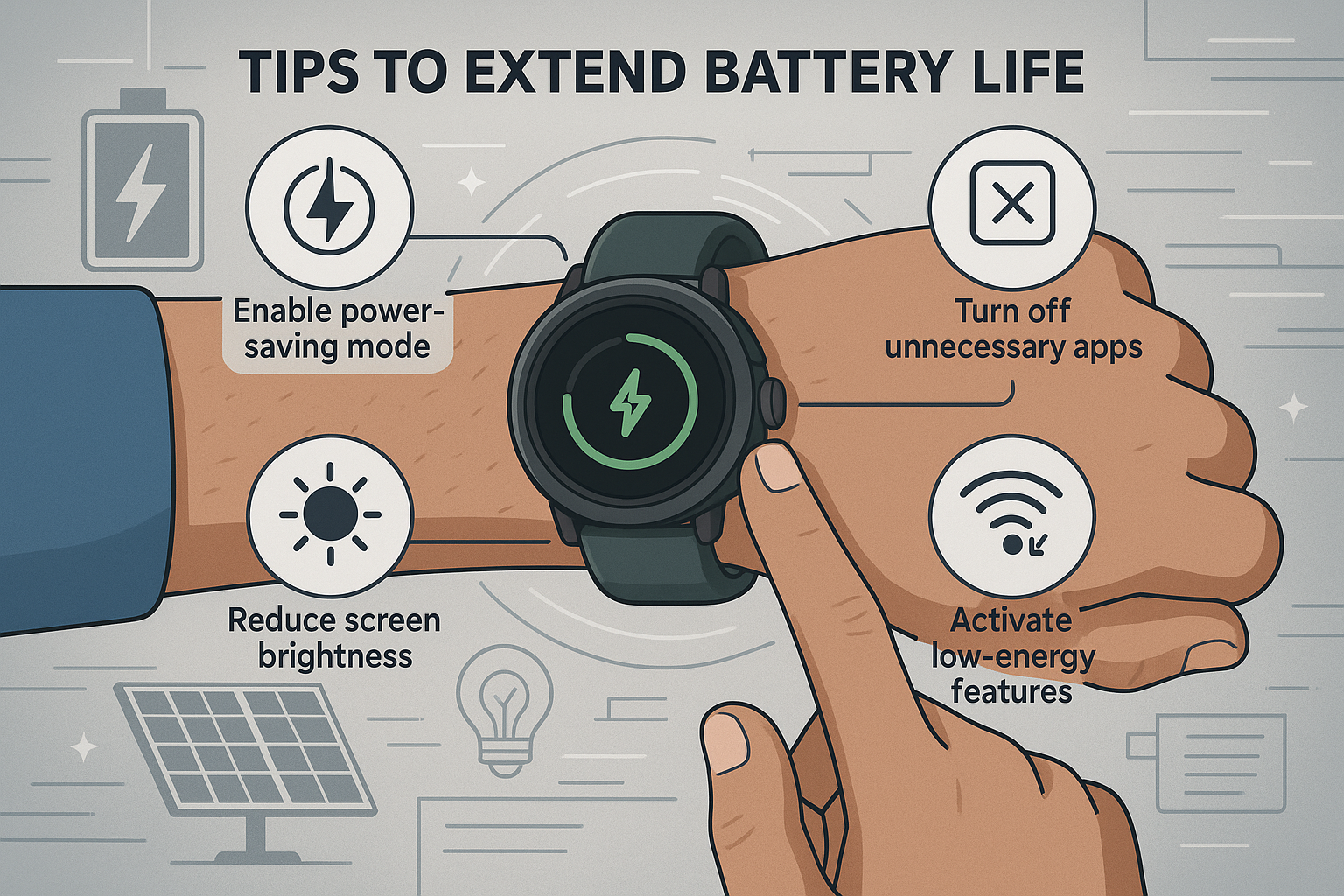
- Battery life: Packing more features into a small frame means power efficiency remains a constant engineering challenge.
- Consumer trust: Many people are still cautious about adopting wearable tech, especially devices worn on the face all day.
What the Future Holds for Smart Glasses
Industry analysts believe smart glasses could take on many tasks currently handled by smartphones within the next few years. As voice recognition and AI assistants improve, users may rely on their glasses for translation, shopping assistance, workplace productivity, and navigation — all without touching a screen.
By 2030, smart glasses could be as widely used as smartwatches are today. The technology is maturing fast, and with companies like Apple, Meta, and Samsung competing in this space, consumers can expect faster improvements in design, battery life, and features at more accessible price points.
For Indian consumers, the growing availability of affordable wearables and increasing smartphone penetration create a strong foundation for smart glasses adoption in the coming years.
Smart glasses are no longer just a tech experiment. They are becoming a genuine lifestyle product that combines fashion, function, and intelligence. The 2025 revival signals that this category is ready for the mainstream — and the best versions are likely still ahead.
Frequently Asked Questions
In 2025, smart glasses can display notifications, provide turn-by-turn navigation, take photos and videos, offer real-time language translation, track health metrics, and work with AI voice assistants — all while looking like regular eyewear.
Major tech companies including Apple, Meta, and Samsung are actively developing and releasing smart glasses in 2025, each focusing on a mix of AI features, stylish design, and practical everyday functionality.
Smart glasses offer genuine value for users who want hands-free convenience, navigation, and health tracking. However, high pricing and privacy concerns remain factors to consider before purchasing. As competition grows, prices are expected to become more accessible.