Augmented Reality (AR) and Virtual Reality (VR) are changing the way engineers design, test, and collaborate. As the metaverse grows from a concept into a practical workspace, engineering teams across the world are using these immersive technologies to work smarter, reduce costly errors, and bring ideas to life before a single brick is laid or bolt is tightened.
What Is the Metaverse for Engineers?
The metaverse, in simple terms, is a shared three-dimensional digital space where people can interact, work, and create using virtual avatars and environments. For engineers, it works like a shared digital workshop that exists beyond physical boundaries.
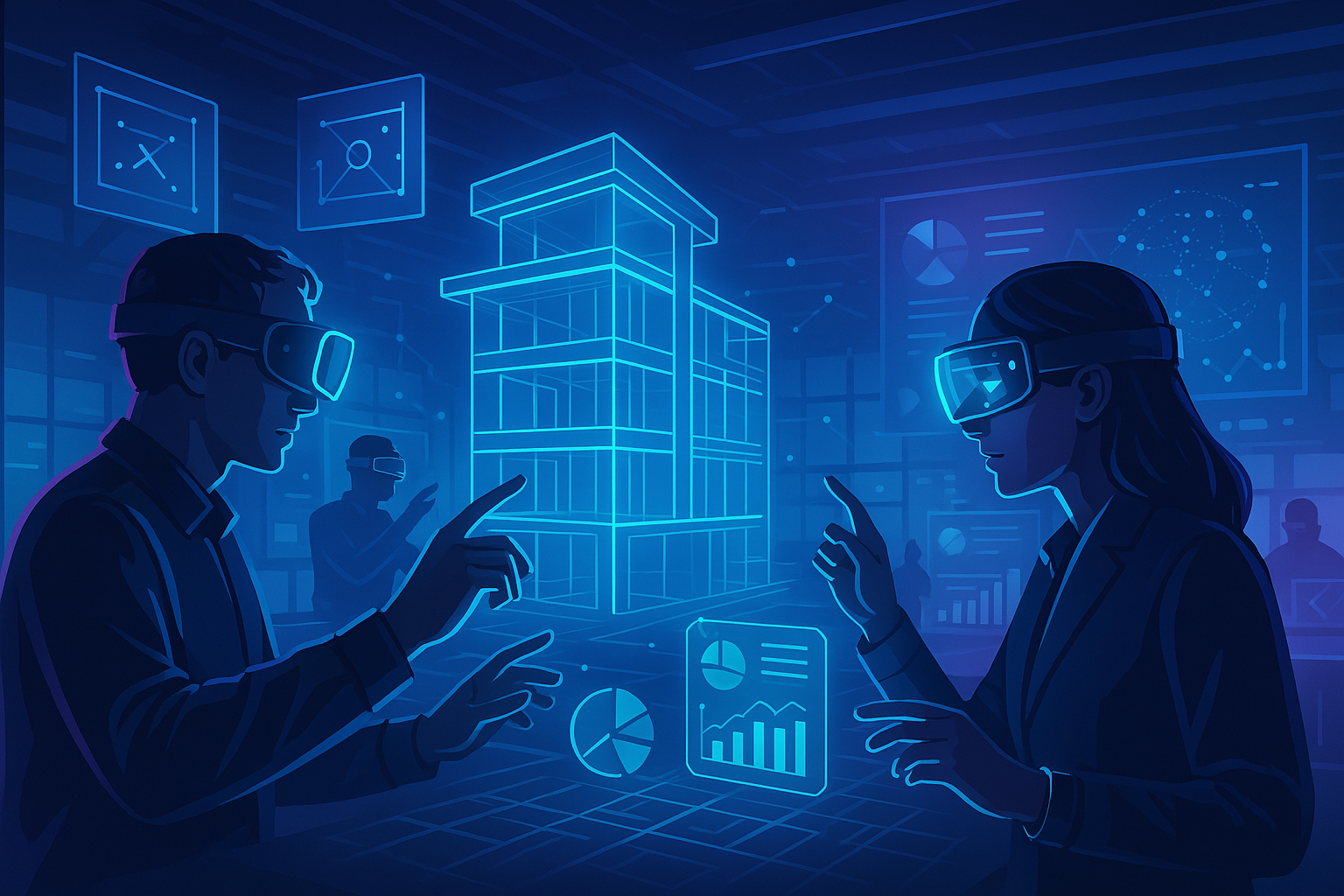
Instead of emailing flat blueprints or scheduling expensive on-site meetings, engineering teams can now step into a virtual room together, examine a full-scale 3D model of a bridge, machine, or building, and make real-time decisions — even if the team members are sitting in Mumbai, Berlin, and New York.
Key Ways AR and VR Are Used in Engineering
AR and VR bring several practical advantages to engineering workflows. Here is how these technologies are being applied right now:
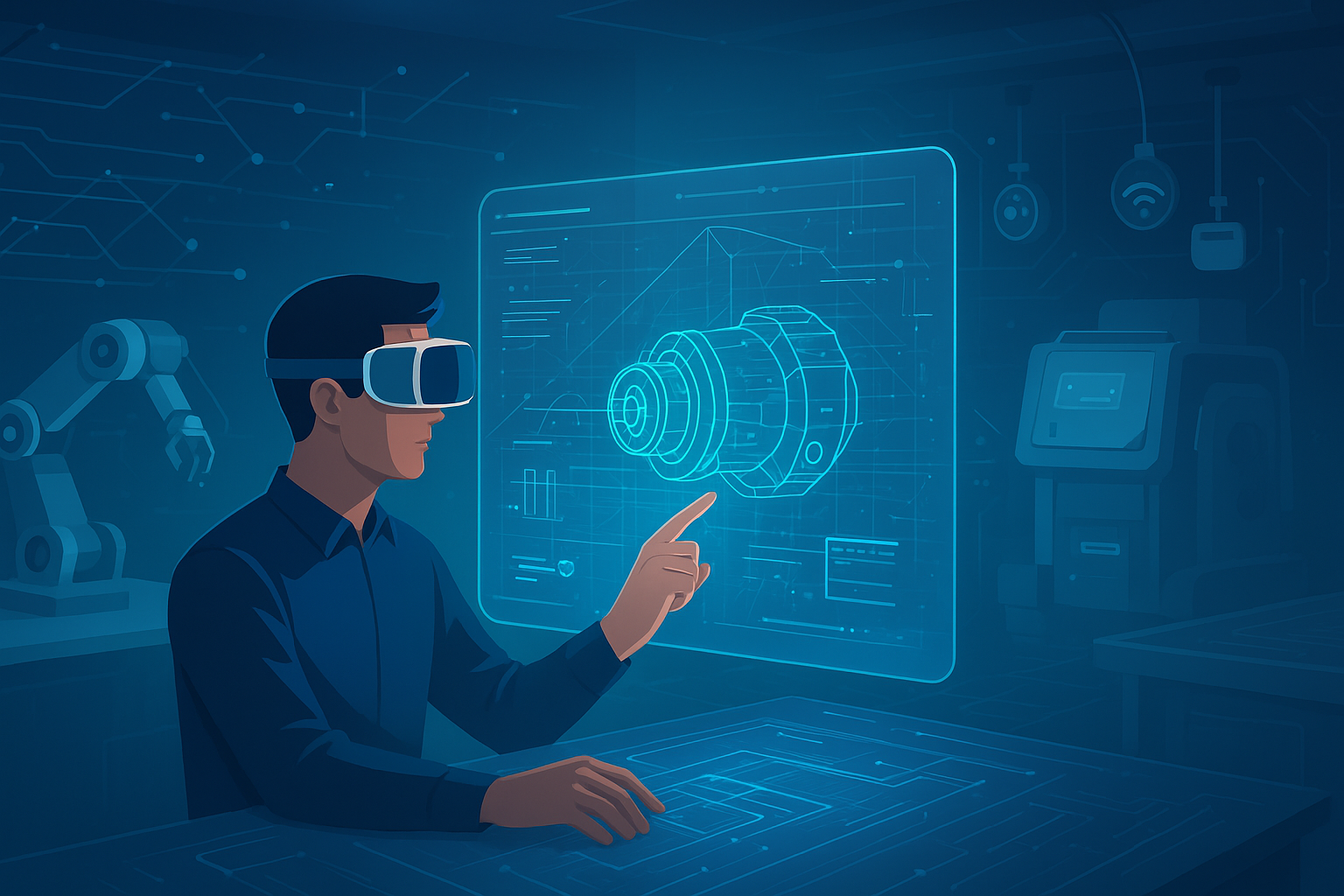
- Virtual Prototyping: Engineers can build and test detailed 3D models of machines, structures, or systems inside a VR environment before any physical construction begins. This helps catch design flaws early and saves significant time and money.
- Remote Collaboration: Teams spread across different cities or countries can meet inside a shared virtual workspace, review the same design simultaneously, and make changes in real time — closely mimicking an in-person review session.
- Immersive Design Visualization: Instead of reading flat 2D drawings, engineers and clients can walk around a full-scale virtual model, inspect every angle, and understand how all components fit together before committing to production.
- Safe Skills Training: VR provides a risk-free environment where new engineers can practice operating equipment, handling complex systems, or responding to emergencies without any real-world danger or damage.
Benefits of AR and VR in Engineering Projects
The advantages go beyond just looking impressive. These tools deliver measurable results for engineering teams and their clients:
- Faster Decision-Making: Clients and stakeholders can see exactly how a finished project will look and function, making design approvals quicker and reducing back-and-forth revisions.
- Fewer Errors: Spotting problems in a virtual model is far cheaper than fixing mistakes during actual construction or manufacturing.
- Lower Costs: Digital prototyping reduces the need for expensive physical models, and virtual meetings cut down on travel expenses.
- Better Team Engagement: Working hands-on with a 3D design increases team participation, confidence, and overall project understanding.
| Technology | Primary Use in Engineering | Key Benefit |
|---|---|---|
| Virtual Reality (VR) | Virtual prototyping and training simulations | Reduces physical prototype costs and safety risks |
| Augmented Reality (AR) | On-site visualization and design overlay | Shows how designs fit into real-world environments |
| Mixed Reality (MR) | Construction planning and site management | Improves resource planning and site efficiency |
Real-World Applications Across Industries
These technologies are already being used across several major engineering and design sectors:
- Automotive Industry: Car manufacturers use VR to design, test, and refine vehicle features and safety systems before physical prototypes are built, saving months of development time.
- Architecture and Urban Planning: AR tools allow architects to overlay a proposed building onto its actual site, helping clients and planners visualize how the structure will look and interact with its surroundings.
- Construction Management: Mixed reality tools help construction teams plan site layouts, manage resources, and coordinate workflows more efficiently before ground is broken.
Challenges That Engineering Teams Still Face
Despite the clear benefits, adopting AR and VR in engineering is not without hurdles:
- High Equipment Costs: Quality AR and VR hardware and software can require significant upfront investment, which may be a barrier for smaller firms.
- Training Requirements: Teams need time and proper training to use these tools effectively, which can slow initial adoption.
- Technical Limitations: Slow internet connections, limited computing power, or compatibility issues between platforms can affect performance and reliability during critical project phases.
As hardware becomes more affordable and internet infrastructure improves, many of these barriers are expected to reduce significantly over the next few years.
The Road Ahead for Metaverse-Driven Engineering
AR and VR tools are advancing rapidly, and costs are coming down. Industry experts expect that more engineering firms — from large multinationals to mid-sized consultancies — will integrate these technologies into their standard workflows within the next decade. Virtual collaboration in the metaverse may soon be as routine as sending an email or joining a video call.
The shift is not just about technology adoption. It represents a fundamental change in how engineering teams think about design, distance, and collaboration. Teams that embrace these tools early are likely to gain a competitive edge in speed, accuracy, and client satisfaction.
In summary, AR and VR are no longer futuristic concepts reserved for tech giants. They are practical, proven tools that are reshaping engineering design and teamwork right now — and their role in the metaverse will only grow stronger in the years ahead.
Frequently Asked Questions
Virtual Reality allows engineers to build and test detailed 3D models of machines, buildings, or systems in a digital environment before any physical construction begins. This helps identify design flaws early, saving time and reducing costs.
Virtual Reality (VR) immerses users in a fully digital environment, ideal for prototyping and training simulations. Augmented Reality (AR) overlays digital information onto the real world, commonly used for on-site visualization and checking how a design fits into an actual location.
The main challenges include the high cost of AR and VR hardware and software, the need for team training to use these tools effectively, and technical limitations such as slow internet speeds or limited computing power that can affect performance.