Keeping your smartphone charged throughout the day is no longer optional — it is essential. Two popular methods dominate the market right now: fast charging and wireless charging. Both have real advantages, but they also come with trade-offs. Understanding the difference helps you make a smarter choice for your daily routine.
What Is Fast Charging and How Does It Work?
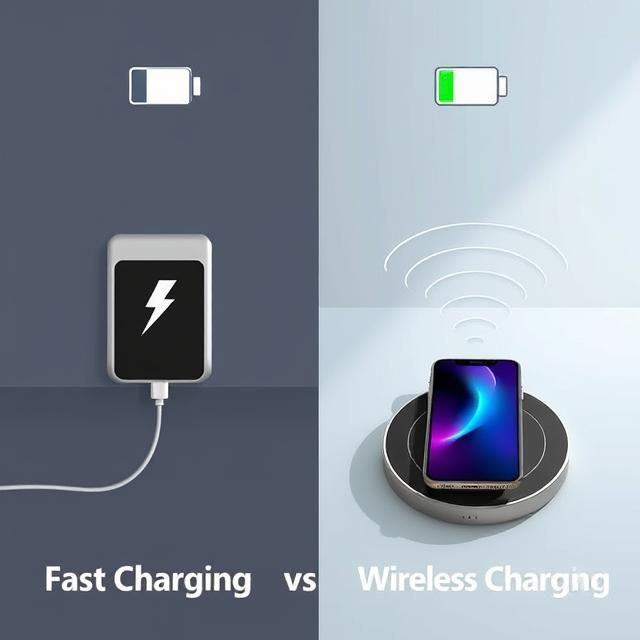
Fast charging is a technology that delivers more electrical power to your phone’s battery than a standard charger. It uses specially designed chargers, cables, and supported hardware inside the phone to speed up the charging process significantly.
Most modern Android smartphones and iPhones now support some form of fast charging. Brands like OnePlus, Samsung, Xiaomi, and Apple have their own fast charging standards, but the core idea remains the same — get your battery to a usable level as quickly as possible.
Key benefits of fast charging:
- Speed: You can charge your phone to 50% or more in under 30 minutes with a good fast charger.
- Great for busy users: If you have a packed schedule, a quick 15-minute charge before heading out can make a real difference.
- Widely available: Most mid-range and flagship smartphones today support fast charging out of the box.
Things to keep in mind:
- Heat generation: Fast charging produces more heat, which can be uncomfortable to hold and may stress the battery over time.
- Battery longevity: Frequent fast charging can gradually reduce your battery’s overall capacity, though modern phones have built-in protections to slow this down.
What Is Wireless Charging and How Does It Work?
Wireless charging removes the need for cables entirely. You simply place your phone on a charging pad, and energy transfers from the pad to your device using electromagnetic induction. The Qi standard is the most widely used wireless charging protocol, supported by Apple, Samsung, Google, and many other brands.
While wireless charging was once considered a premium feature, it is now available on a wide range of smartphones at different price points.
Key benefits of wireless charging:
- No cables needed: Just set your phone down on the pad and charging starts automatically.
- Protects charging ports: Avoiding repeated plug-ins reduces wear on your phone’s USB port over time.
- Clean and clutter-free: Wireless pads look neat on a desk, bedside table, or office setup.
Things to keep in mind:
- Slower charging speeds: Wireless charging is generally slower than wired fast charging, especially for standard pads.
- Positioning matters: Your phone must be placed correctly on the pad for charging to work properly.
- Energy efficiency: Wireless charging loses more energy as heat compared to wired charging, making it slightly less efficient.
Fast Charging vs Wireless Charging: Side-by-Side Comparison
| Feature | Fast Charging | Wireless Charging |
|---|---|---|
| Charging Speed | Very Fast | Moderate to Slow |
| Convenience | Requires cable | No cable needed |
| Heat Generation | Higher | Moderate |
| Port Wear | Yes, over time | No port wear |
| Energy Efficiency | More efficient | Less efficient |
| Battery Health Impact | Moderate risk | Lower risk with slow charging |
How to Choose the Right Charging Method for You
The best charging method depends entirely on your lifestyle and how you use your phone. Here is a simple way to think about it:
- If you are always on the move and need a quick power boost before stepping out, fast charging is the clear winner.
- If you prefer a tidy workspace or charge your phone overnight, wireless charging offers a hassle-free experience.
- If you want the best of both, use fast charging when you are in a hurry and switch to wireless charging at your desk or while sleeping.
Many flagship phones today support both technologies, so you do not always have to choose one over the other. Investing in both a fast charger and a wireless pad gives you flexibility depending on the situation.
It is also worth noting that overnight wireless charging at a slower rate can actually be gentler on your battery in the long run, while fast charging is best reserved for when you genuinely need speed.
Practical Tips to Protect Your Battery While Charging
Regardless of which method you choose, a few good habits can extend your battery’s life:
- Avoid letting your battery drain to 0% regularly — try to keep it between 20% and 80% for daily use.
- Do not leave your phone on a fast charger for extended periods once it reaches 100%.
- Use chargers and cables from reputable brands or original accessories to avoid damage.
- Keep your phone in a cool environment while charging to reduce heat-related stress on the battery.
In conclusion, neither fast charging nor wireless charging is universally better — each serves a different purpose. Fast charging wins on speed and efficiency, while wireless charging wins on convenience and port protection. The smartest approach is to understand your own usage patterns and pick the method — or combination of methods — that fits your life best.
Frequently Asked Questions
Frequent fast charging can gradually reduce battery capacity over time due to heat generation. However, most modern smartphones have built-in battery management systems that help minimise this effect. Using fast charging occasionally rather than daily can help preserve battery health longer.
Yes, many flagship smartphones today support both fast charging and wireless charging. You can use a fast charger when you need a quick power boost and switch to a wireless charging pad for overnight or desk charging, depending on your convenience.
Yes, in most cases wireless charging is slower than wired fast charging. Standard wireless pads typically charge at 5W to 15W, while fast chargers can deliver 30W, 65W, or even higher wattage depending on the phone and charger. Some newer wireless chargers offer faster speeds, but wired fast charging still leads in overall speed.