Smartwatches have come a long way from simply showing the time or counting steps. Today, they monitor your heart, track your sleep, measure blood oxygen, and even detect irregular heartbeats. But the big question remains — do they actually make you healthier, or are they just expensive wrist accessories? The answer is more nuanced than a simple yes or no.
How Smartwatches Monitor Your Health
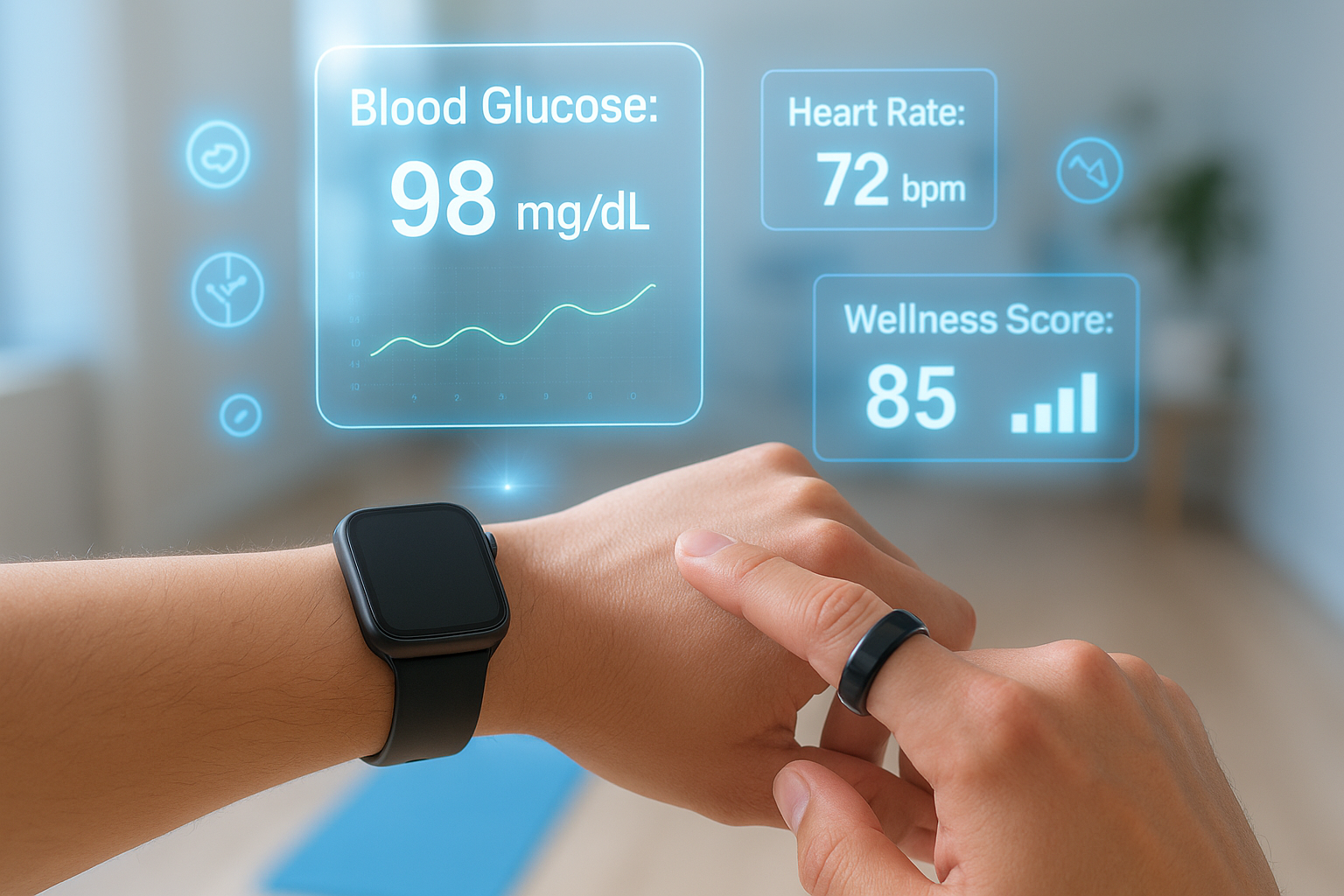
Modern smartwatches are packed with sensors and software designed to give you a real-time picture of your physical well-being. Here are the key health features most smartwatches offer today:
- Heart Rate Monitoring: Tracks your heart rate continuously throughout the day and alerts you if it goes too high or too low. This can help spot potential cardiac issues early.
- Fitness and Activity Tracking: Counts steps, estimates calories burned, measures distance, and logs workouts like running, cycling, and strength training. It also reminds you to move if you have been sitting too long.
- Sleep Tracking: Analyses your sleep patterns and breaks them into light, deep, and REM stages. Many devices offer personalised tips to help you sleep better.
- Blood Oxygen (SpO2) Monitoring: Measures the oxygen saturation in your blood, which is an important indicator of respiratory and cardiovascular health.
- ECG (Electrocardiogram): Available on select models, this feature can detect irregular heart rhythms like atrial fibrillation, giving users an early warning to seek medical attention.
Can a Smartwatch Help You Stay Fit?
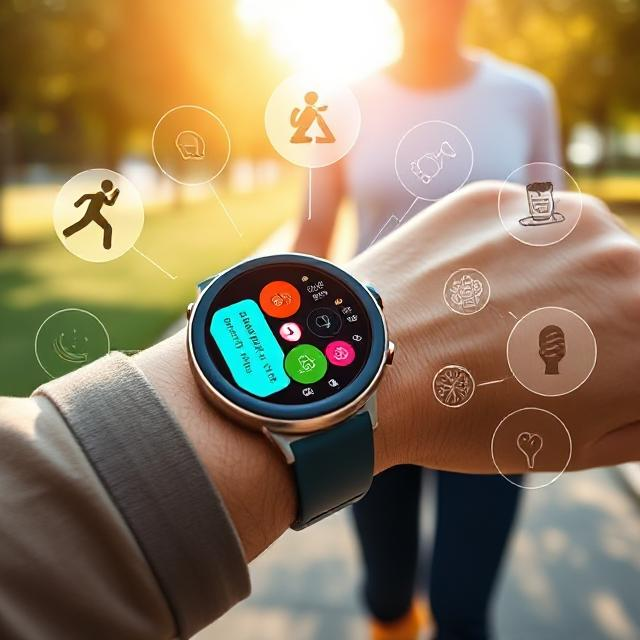
For many users, a smartwatch acts like a personal fitness coach strapped to their wrist. It keeps you accountable and motivated in ways that are hard to ignore. Here is how it supports your fitness journey:
- Sets daily activity goals and tracks your progress in real time.
- Sends movement alerts when you have been inactive for too long.
- Offers guided workout programs and coaching features.
- Rewards you with achievements and challenges to keep motivation high.
When used consistently, a smartwatch can help build healthier daily habits — from walking more to sleeping on time. The data it provides gives you a clearer picture of your lifestyle, which is the first step toward improving it.
What Smartwatches Can and Cannot Do for Your Health
It is important to be realistic about what these devices offer. They are powerful tools, but they have clear limitations. Here is a simple breakdown:
| What Smartwatches Can Do | What Smartwatches Cannot Do |
|---|---|
| Encourage you to stay active with reminders and goal tracking | Replace a doctor’s diagnosis or medical advice |
| Monitor heart rate, sleep quality, and blood oxygen levels | Make you healthier without personal effort and lifestyle changes |
| Flag early warning signs of potential health issues | Substitute for a balanced diet and regular physical exercise |
| Send timely reminders to hydrate, breathe, and take breaks | Provide clinically accurate medical readings in all situations |
Popular Smartwatch Brands and Their Health Features
Several leading brands have invested heavily in health-focused wearable technology. Here is a quick look at what some of the top players offer:
- Apple Watch: Offers ECG, blood oxygen monitoring, crash detection, fall detection, and irregular heart rhythm notifications.
- Samsung Galaxy Watch: Includes body composition analysis, blood pressure monitoring (in select regions), ECG, and sleep coaching.
- Fitbit (by Google): Known for detailed sleep tracking, stress management scores, and long battery life with continuous health monitoring.
- Garmin: Popular among serious athletes for advanced fitness metrics, VO2 max estimation, and recovery tracking.
Each brand targets slightly different users, from casual health enthusiasts to professional athletes. Choosing the right one depends on your specific health goals and budget.
Who Benefits Most from Smartwatches?
Smartwatches are not equally useful for everyone. Some people get far more value from them than others. Those who benefit the most include:
- People with existing heart conditions who need continuous monitoring.
- Fitness enthusiasts who want detailed workout and recovery data.
- Individuals with sedentary jobs who need reminders to stay active.
- People managing stress or sleep disorders who want data-driven insights.
- Older adults who can benefit from fall detection and emergency SOS features.
For the average user, the biggest benefit is awareness. Seeing your daily step count, heart rate trends, and sleep quality in one place can be a strong motivator to make healthier choices.
In conclusion, smartwatches are genuinely useful health tools when used correctly. They provide valuable data, keep you motivated, and can even alert you to potential health concerns before they become serious. However, they work best as a supplement to healthy habits — not a replacement for medical care, proper nutrition, or regular exercise. If you use the data your smartwatch provides to make real lifestyle changes, it can absolutely contribute to better health over time.
Frequently Asked Questions
Some smartwatches with ECG and heart rate monitoring features can flag irregular heartbeats or abnormal readings that may indicate a health concern. However, they are not medical devices and cannot diagnose conditions. Always consult a doctor if your smartwatch alerts you to anything unusual.
Smartwatch sleep tracking gives a useful general overview of your sleep stages — light, deep, and REM — but it is not as precise as clinical sleep studies. It is best used as a guide to identify patterns and improve sleep habits rather than as a medical measurement.
Popular options for health monitoring in India include the Apple Watch Series, Samsung Galaxy Watch, Fitbit devices, and Garmin watches. The best choice depends on your budget, health goals, and whether you use an Android or iOS smartphone.