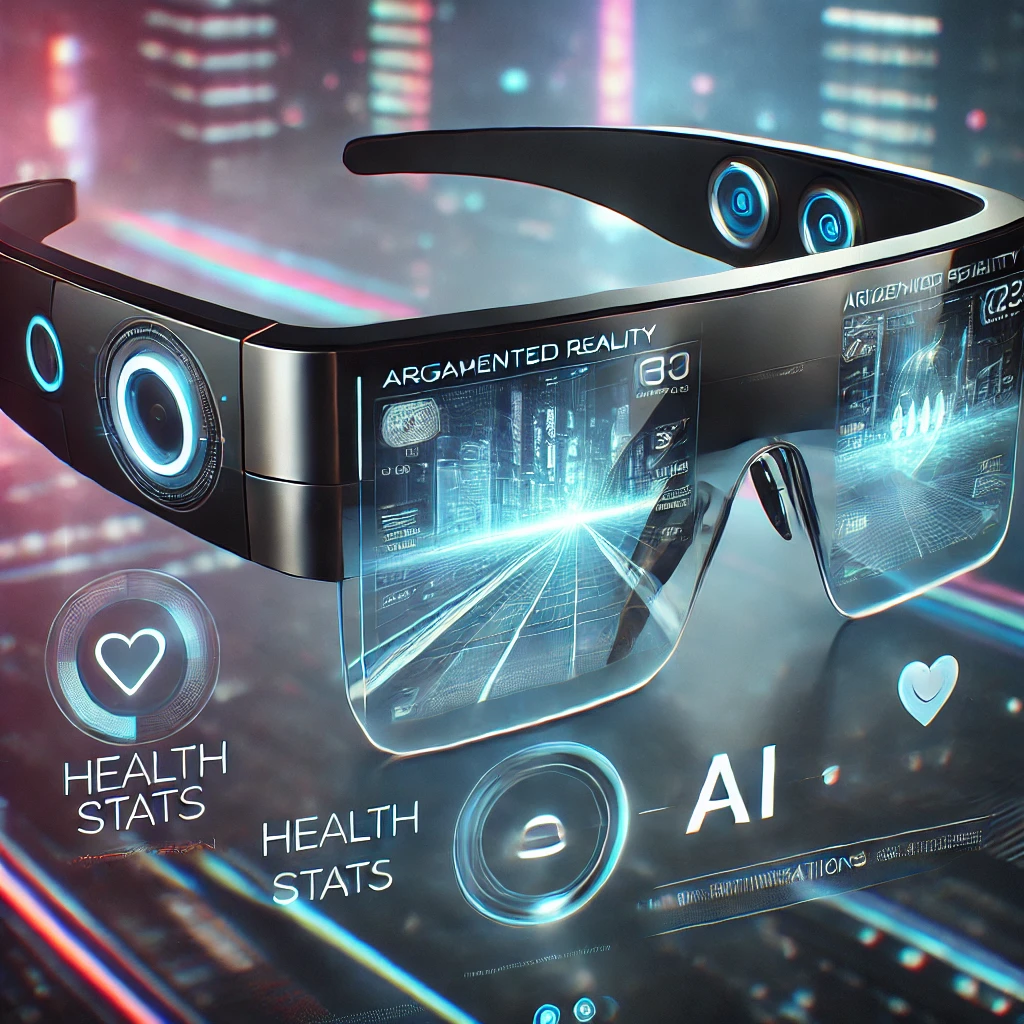
Smart glasses are no longer just a concept from science fiction. They are real, increasingly capable, and slowly making their way into everyday life. From showing navigation directions on your lenses to overlaying digital information on the physical world, smart glasses represent a significant shift in how people interact with technology.
What Are Smart Glasses?
Smart glasses are wearable eyewear devices that display digital information directly on the lenses. On the outside, they may look like ordinary glasses, but inside they carry tiny displays, sensors, cameras, and microphones that connect to apps and process real-time data.
Unlike a smartphone that demands your full attention, smart glasses keep information at your eyeline without pulling your hands or focus away from what you are doing. Whether you are navigating a new city, working on a factory floor, or following a recipe in the kitchen, smart glasses bring digital assistance right into your field of vision.
How Do Smart Glasses Actually Work?
The core technology behind smart glasses involves embedding miniature displays into the lenses or frames. These displays project information that appears to float in front of the wearer. The glasses connect to smartphones or cloud services via Bluetooth or Wi-Fi to fetch data in real time.
Depending on the model, smart glasses can:
- Show turn-by-turn navigation directions directly on the lens
- Provide live language translations when reading foreign text or speaking with someone in another language
- Connect with smart home devices for hands-free control
- Display messages, calls, and app alerts without needing to check your phone
- Capture photos and videos from a first-person perspective
Built-in sensors track head movements and environmental data, while voice commands or touch controls on the frame allow users to interact with the device naturally.
Key Uses and Applications of Smart Glasses
Smart glasses serve a wide range of purposes across personal and professional settings.
- Augmented Reality (AR): AR-enabled smart glasses layer digital content over the real world. Shoppers can view product details, travelers can see interactive maps, and fitness users can receive real-time workout guidance — all without looking at a separate screen.
- Virtual Reality (VR): Some smart glasses are designed for immersive VR experiences, making them useful for gaming, virtual tours, and professional training simulations.
- Workplace Productivity: Industries like healthcare, manufacturing, and logistics benefit greatly from smart glasses. Workers can access critical data hands-free, reducing errors and speeding up tasks. A surgeon can view patient vitals during a procedure, or a warehouse worker can scan items without stopping to check a device.
- Accessibility: Smart glasses hold strong potential for people with visual or hearing impairments, offering real-time captions, object recognition, and navigation assistance.
| Feature | Benefit | Best Use Case |
|---|---|---|
| AR Overlay | Real-world digital information | Navigation, shopping, travel |
| Live Translation | Instant language support | International travel, business |
| Hands-Free Alerts | Stay connected without phone | Daily commute, outdoor activities |
| VR Mode | Immersive experiences | Gaming, training simulations |
Benefits and Challenges of Smart Glasses
Smart glasses offer clear advantages, but they also come with real challenges that manufacturers are still working to solve.
Key Benefits:
- Hands-Free Convenience: Access information without picking up your phone, whether you are cooking, driving, or exercising.
- Enhanced Engagement: Blending digital data with the physical environment creates a richer, more interactive experience.
- Improved Productivity: Workers get real-time information in their line of sight, reducing the time spent switching between tasks and devices.
Current Challenges:
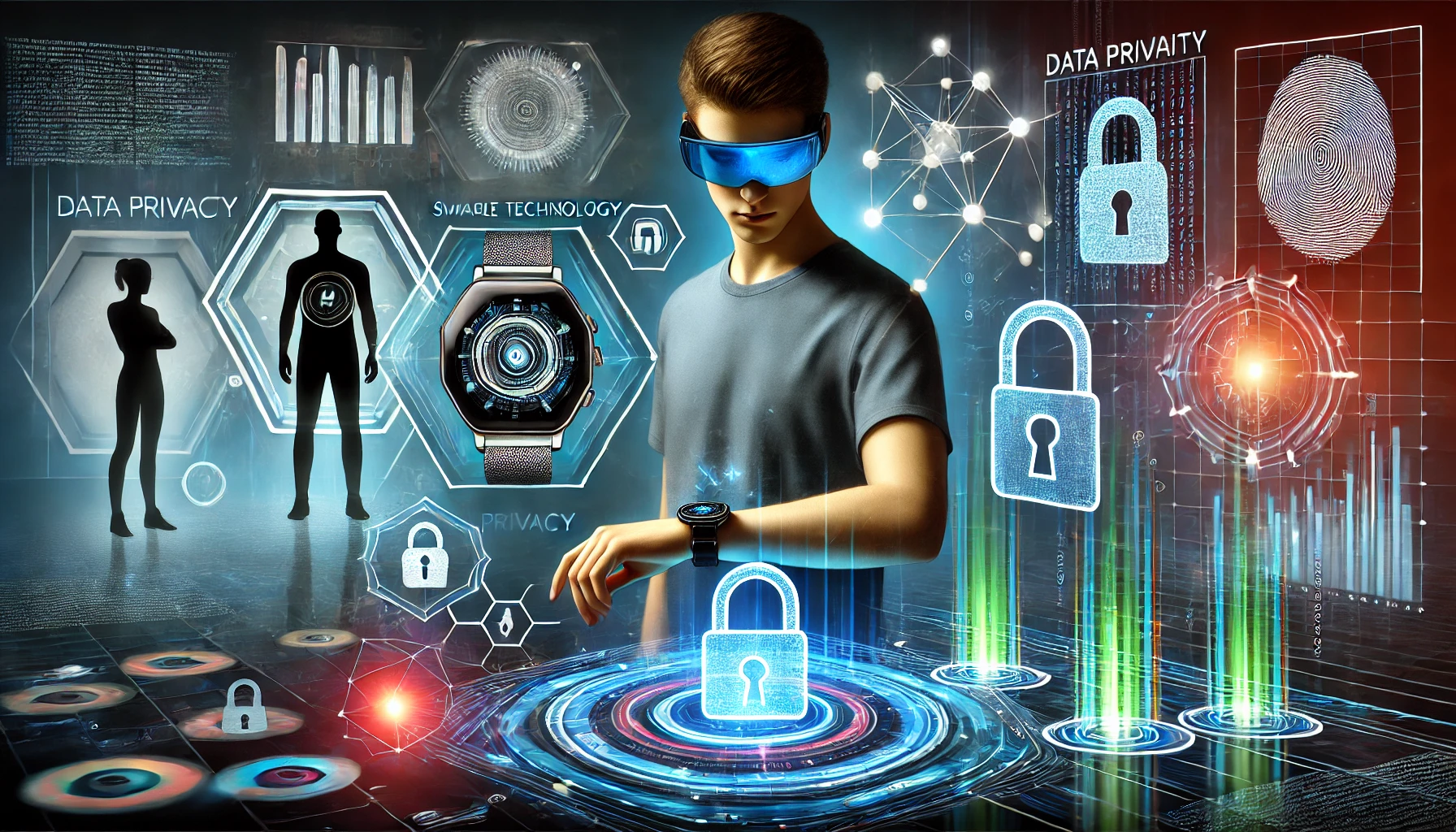
- Privacy Concerns: Built-in cameras and sensors raise valid questions about data collection, surveillance, and personal privacy in public spaces.
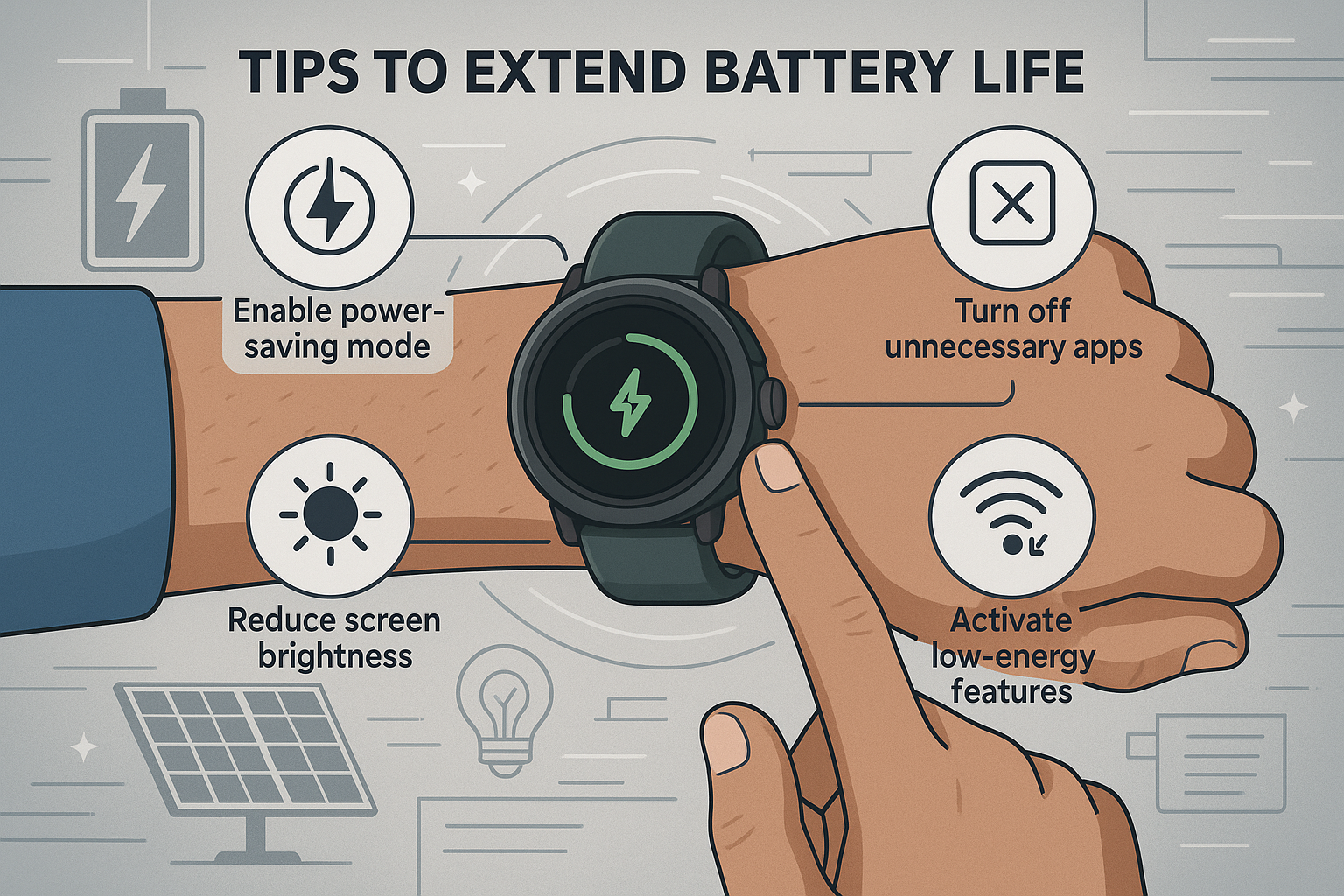
- Battery Life: Running displays, sensors, and wireless connections drains power quickly. Longer battery life remains one of the biggest technical hurdles.
- Comfort and Design: For widespread adoption, smart glasses need to be lightweight, stylish, and comfortable enough for all-day wear. Many current models are still bulky compared to regular eyewear.
- Cost: High-end smart glasses remain expensive, limiting access for average consumers.
What the Future Holds for Smart Glasses
The outlook for smart glasses is promising. As processors become more powerful and battery technology improves, the devices will become lighter, smarter, and more capable.
- Stronger AR and VR Capabilities: Future models will offer more immersive and interactive experiences as hardware and software continue to advance.
- Longer Battery Life: New energy-efficient components and battery innovations will make all-day use more practical.
- Wider Adoption: As prices fall and designs improve, smart glasses could become as common as earbuds or fitness trackers within the next several years.
- Integration with Other Technologies: Smart glasses are expected to work more closely with 5G networks, voice assistants, and connected devices, making them a central part of the broader smart ecosystem.
Smart glasses represent a meaningful step forward in wearable technology. They bring digital information closer to the user in the most natural way possible — through sight. While challenges around privacy, battery life, and design still need to be addressed, the direction is clear. As the technology matures, smart glasses have the potential to become an everyday tool for millions of people around the world.
Frequently Asked Questions
Smart glasses are used for a wide range of tasks including navigation, live language translation, receiving notifications hands-free, augmented reality experiences, workplace productivity in fields like healthcare and manufacturing, and immersive virtual reality applications.
Smart glasses are generally safe to use, but they do raise privacy concerns because many models include built-in cameras and sensors. Users and bystanders should be aware of data collection policies, and manufacturers are working on features to address privacy issues in public spaces.
Battery life varies by model and usage, but most current smart glasses last between two to eight hours on a single charge. Battery life is one of the biggest challenges in the industry, and manufacturers are actively developing more energy-efficient components to extend usage time.