
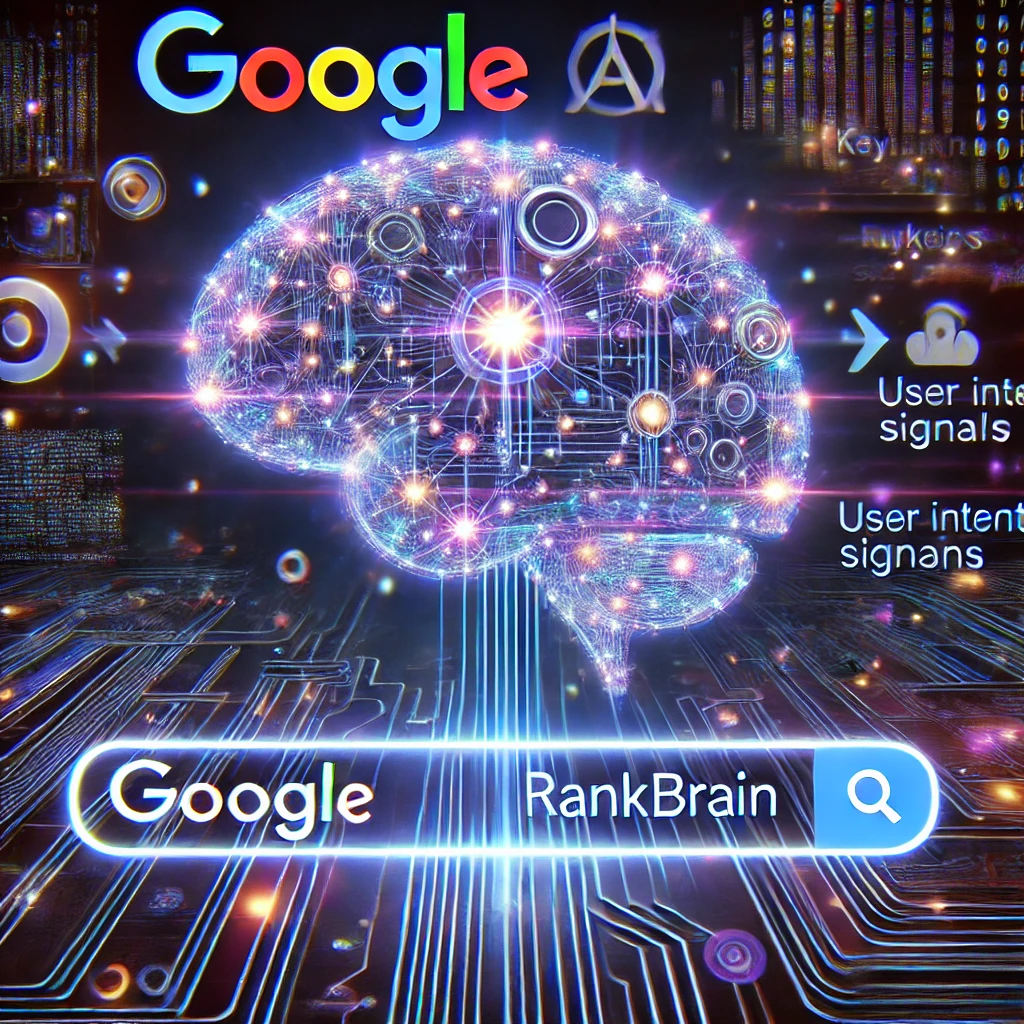
Google RankBrain is one of the most important components of how Google processes and ranks search results. Since its introduction, it has changed the way websites need to approach search engine optimisation. Understanding how RankBrain works can help content creators and website owners build pages that genuinely serve their audience — and rank better as a result.
What Is Google RankBrain?
RankBrain is Google’s machine learning system designed to interpret search queries and deliver the most relevant results. Unlike older ranking methods that relied heavily on exact keyword matching, RankBrain understands the intent behind a search.
When someone types a query into Google, RankBrain analyses the full sentence and its context — not just individual words. If it encounters an unfamiliar or unusual search, it matches it with similar past queries to find the best possible results. Over time, it continues to learn and improve its accuracy.
In simple terms, RankBrain helps Google understand what people mean, not just what they type.
How RankBrain Changed SEO Forever
Before RankBrain, websites could climb search rankings by stuffing pages with the right keywords. That approach no longer works. Google now prioritises content that genuinely answers what users are looking for.
RankBrain pays close attention to user behaviour signals, including:
- Dwell time — how long a visitor stays on your page after clicking from search results
- Bounce rate — whether users leave immediately without engaging
- Click-through rate (CTR) — how often users click your result compared to others
If your page keeps visitors engaged and answers their questions well, RankBrain takes that as a positive signal and may push your ranking higher. If users leave quickly, it signals that your content did not meet their needs.
Search Intent: The Core of RankBrain Optimisation
The most important concept to understand when optimising for RankBrain is search intent. Every search query has a purpose behind it — users may want to learn something, find a specific website, compare products, or make a purchase.
When creating content, ask yourself: What is the person actually looking for when they type this query? Your content should directly and clearly answer that question.
Here is a quick comparison of keyword-focused versus intent-focused content strategies:
| Keyword-Focused Approach | Intent-Focused Approach |
|---|---|
| Repeats target keywords frequently | Answers the user’s actual question clearly |
| Optimises for search bots | Optimises for real human readers |
| Focuses on keyword density | Focuses on content depth and usefulness |
| May rank short-term through manipulation | Builds long-term, sustainable rankings |
Practical Tips to Optimise Your Content for RankBrain
Improving your content for RankBrain does not require any technical tricks. It comes down to creating genuinely useful, well-structured content. Here are the key practices to follow:
- Create high-value content — Focus on making your material informative, clear, and helpful. Content that solves real problems keeps users on the page longer.
- Write in natural, conversational language — Google understands how people speak. Write as if you are explaining something to a friend, without forcing keywords into every sentence.
- Structure your content clearly — Use headings, bullet points, and short paragraphs. This makes it easier for both readers and Google to understand your content.
- Monitor user behaviour — Track how visitors interact with your pages. High bounce rates may indicate your content is not matching what users expected.
- Keep content updated — Regularly refreshing your content signals to Google that your site offers current and relevant information.
- Build authority through backlinks — Links from reputable websites strengthen your site’s credibility, which RankBrain factors into rankings.
- Improve page experience — Fast loading speeds, mobile-friendly design, and intuitive navigation all contribute to better user engagement.
Why RankBrain Rewards Genuine Value Over Tricks
RankBrain is specifically designed to identify and reward websites that provide real value to users. Attempts to manipulate rankings through shortcuts or outdated tactics are increasingly ineffective. Google’s system is built to detect genuine helpfulness — and rank it accordingly.
Building a strong social media presence, earning quality backlinks, and consistently publishing accurate and useful content are all strategies that align with what RankBrain looks for. Studying competitor strategies can also offer useful insights, but the focus should always remain on serving your audience better.
RankBrain continues to evolve as it learns from new search patterns. Staying ahead means staying committed to quality — not chasing algorithm updates.
In conclusion, Google RankBrain has made search smarter and more user-focused. The best way to perform well under RankBrain is straightforward: create content that truly helps people, structure it clearly, and make sure your website offers a good experience. Do that consistently, and your search rankings are likely to reflect it over time.
Frequently Asked Questions
Google RankBrain is a machine learning system that helps Google understand and interpret search queries, especially unfamiliar or complex ones. It focuses on the intent behind a search rather than just matching exact keywords. Google confirmed RankBrain as part of its search algorithm and it has since become one of the most significant ranking factors.
RankBrain evaluates how users interact with your content after clicking on it from search results. If visitors stay on your page, engage with the content, and do not immediately return to search results, RankBrain treats this as a positive signal and may improve your ranking. Poor engagement, such as high bounce rates, can have the opposite effect.
To optimise for RankBrain, focus on understanding what your target audience is actually looking for and create content that directly answers their questions. Use natural language, clear structure with headings and bullet points, and ensure your website loads quickly and works well on mobile devices. Avoid keyword stuffing and instead prioritise content depth, accuracy, and usefulness.