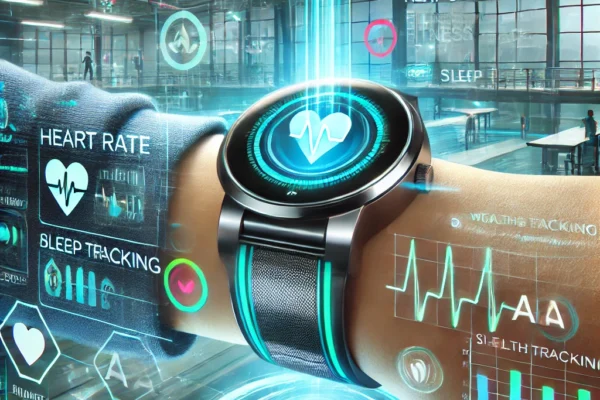
Next-Generation Fitness Trackers: What They Can Do and Why You Need One
Next-gen fitness trackers go far beyond step counting. From ECG and blood oxygen monitoring to sleep analysis and stress management, here is everything you need to know.

Next-gen fitness trackers go far beyond step counting. From ECG and blood oxygen monitoring to sleep analysis and stress management, here is everything you need to know.

Edge AI brings artificial intelligence directly to devices like phones, cameras, and wearables — enabling faster decisions, better privacy, and lower data usage without relying on cloud servers.

Layer 2 solutions like Arbitrum, zkSync, Optimism, and Base are making Ethereum faster and cheaper in 2025, bringing crypto closer to everyday users worldwide.
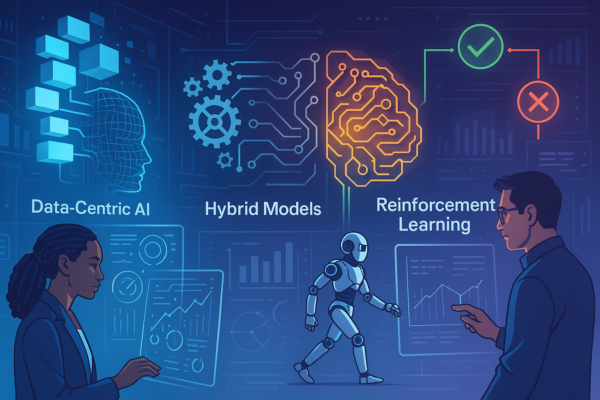
Data-Centric AI, Hybrid Models, and Reinforcement Learning are the three biggest trends shaping artificial intelligence in 2025. Here is what each means and why it matters.
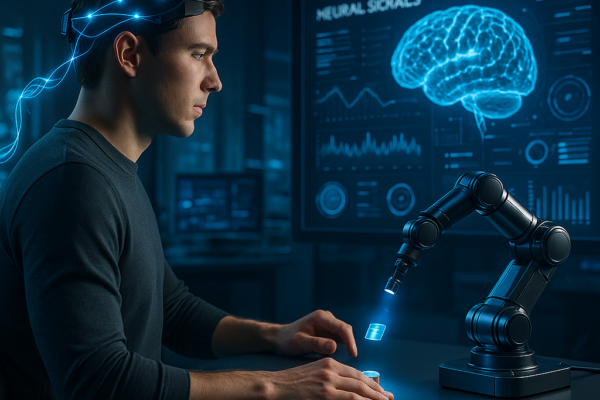
Neuro-robotics is turning science fiction into reality by linking the human brain to machines through brain-computer interfaces. Here is how it works and why it matters.
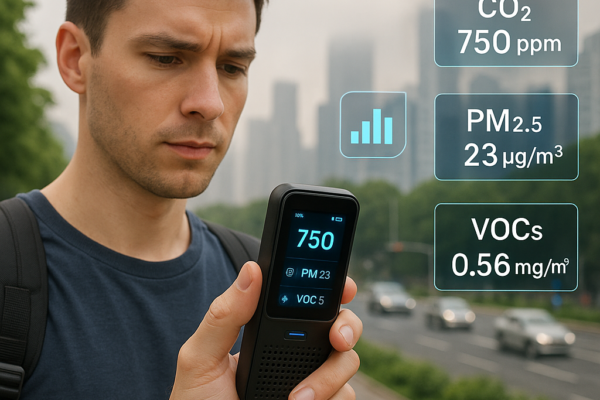
Portable air-quality sensors let you monitor PM2.5, CO₂, VOCs, and humidity in real time. Here is how they work and why more people are using them daily.
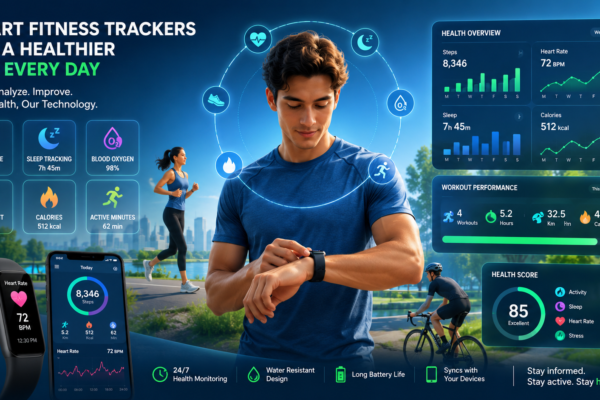
Looking for the best fitness tracker in 2026? Explore top wearables from Fitbit, Garmin, Apple, Samsung, and Amazfit for accurate health monitoring, sleep tracking, and GPS.
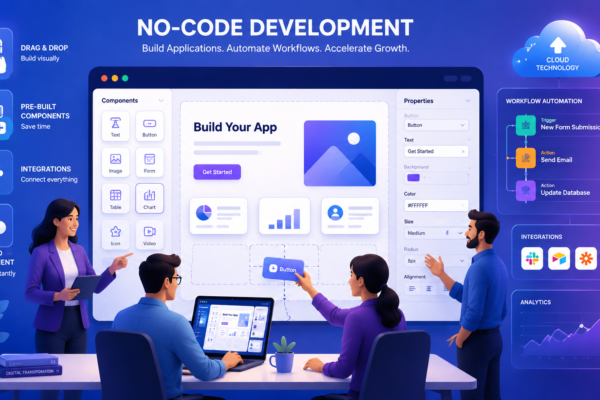
No-code development lets businesses build apps and automate workflows without writing code. Explore its key benefits, real limitations, and when it makes sense to use it over traditional development.
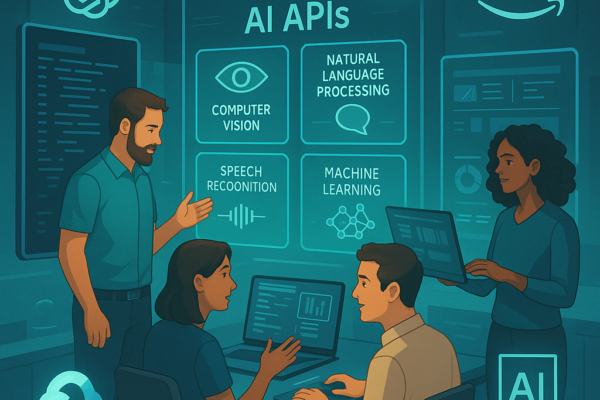
Explore the best AI APIs developers can use in 2024 to add chatbots, image recognition, speech-to-text, and language translation features to their apps without building models from scratch.

Natural Language Processing is transforming how we interact with robots. From voice assistants to hospital robots, NLP helps machines understand and respond to human language naturally.