Wearable technology has come a long way — from fitness bands and smartwatches to wireless earbuds. The next big step in this journey is smart glasses. These devices are no longer a science fiction concept. They are real, practical, and growing fast in both consumer and business markets. Here is everything you need to know about smart glasses, how they work, and why they matter.
What Are Smart Glasses and How Do They Work?
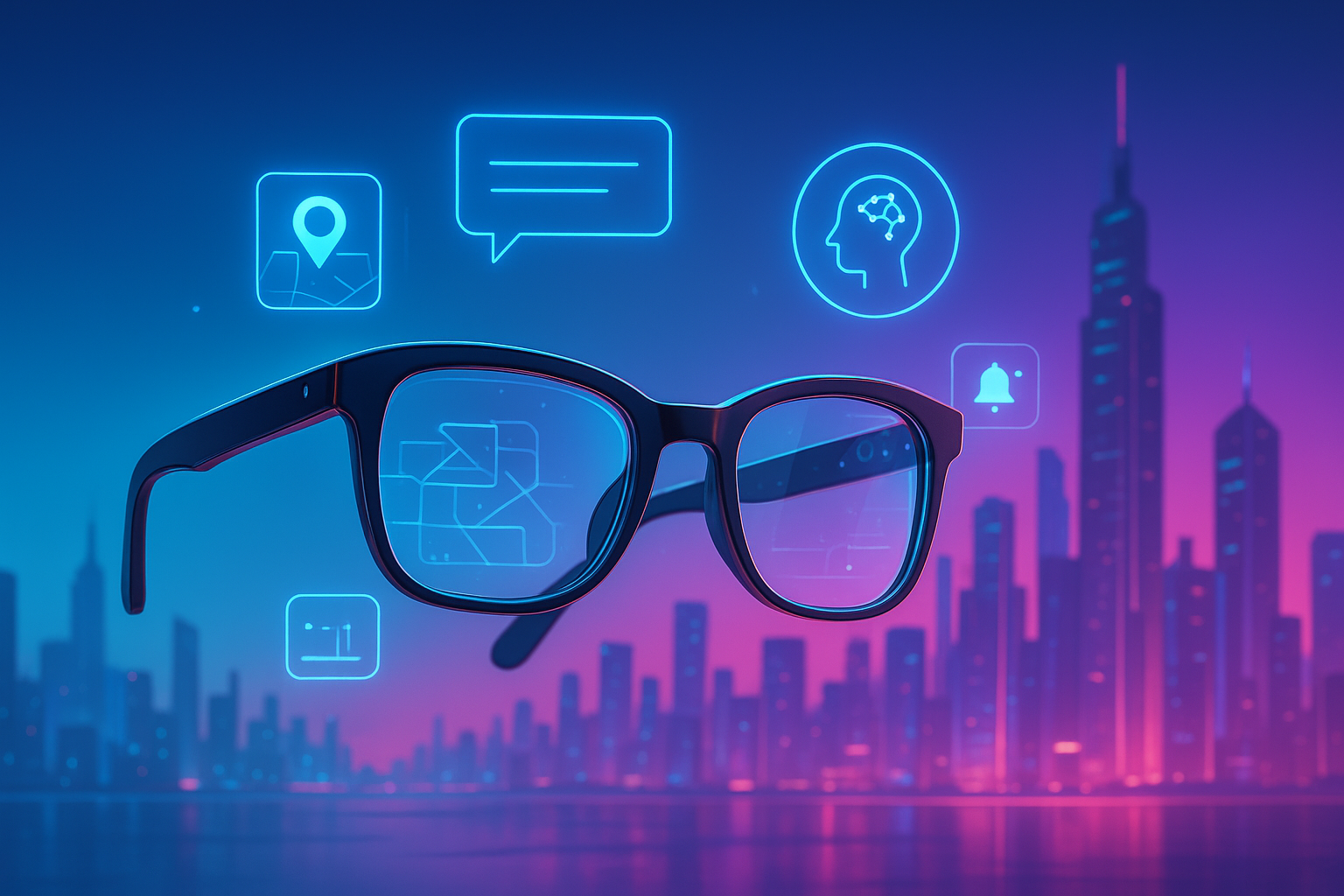
Smart glasses look like regular eyeglasses but pack a range of advanced technology inside a lightweight frame. They include built-in cameras, microphones, speakers, motion sensors, and wireless connectivity. Some high-end models also feature Augmented Reality (AR) displays that project digital content directly in front of your eyes.
Users interact with smart glasses through:
- Voice commands — ask questions, get directions, or control apps hands-free
- Touch controls — tap or swipe on the frame to navigate
- Connected mobile apps — manage settings and features from a smartphone
The core idea is simple: give people access to information and communication without making them look down at a phone every few minutes.
The Role of AI and Augmented Reality in Smart Glasses
Artificial Intelligence is what makes modern smart glasses truly powerful. AI enables these devices to understand natural language, recognize objects, translate languages in real time, and offer personalized recommendations based on context.
Augmented Reality takes this a step further by overlaying digital information onto the physical world. Instead of checking a separate screen, users can see directions, product details, or repair instructions right in their line of sight.
Some practical AR use cases include:
- Turn-by-turn navigation appearing while you walk
- Product prices and reviews displayed while shopping
- Step-by-step repair guides visible while fixing equipment
- Real-time language translation while traveling abroad
Together, AI and AR make smart glasses far more capable than any previous wearable device.
Key Benefits of Smart Glasses for Everyday Users
Smart glasses offer real advantages for people in their daily lives. Here is a quick look at what makes them stand out:
- Hands-free access: Get notifications, directions, and messages without picking up your phone
- Better productivity: Stay informed while keeping your hands free for other tasks
- Easy communication: Make calls and join meetings using built-in microphones and speakers
- Instant information: Access real-time updates exactly when you need them
- Personalized experience: AI adapts to your habits and preferences over time
How Businesses Are Using Smart Glasses Across Industries
Beyond personal use, businesses across several sectors are already deploying smart glasses to improve efficiency and reduce errors.
| Industry | Smart Glasses Application |
|---|---|
| Healthcare | Doctors access patient records and medical data without interrupting procedures |
| Manufacturing | Workers view assembly instructions and safety guidelines in real time |
| Logistics | Warehouse staff locate products and manage inventory faster |
| Remote Assistance | Experts guide field technicians through live video and visual support |
| Employee Training | Interactive AR-based training helps employees learn faster and retain more |
These applications show that smart glasses are not just a consumer gadget — they are becoming a serious productivity tool for modern workplaces.
Challenges Smart Glasses Still Need to Overcome
Despite their promise, smart glasses face a few hurdles before they become truly mainstream:
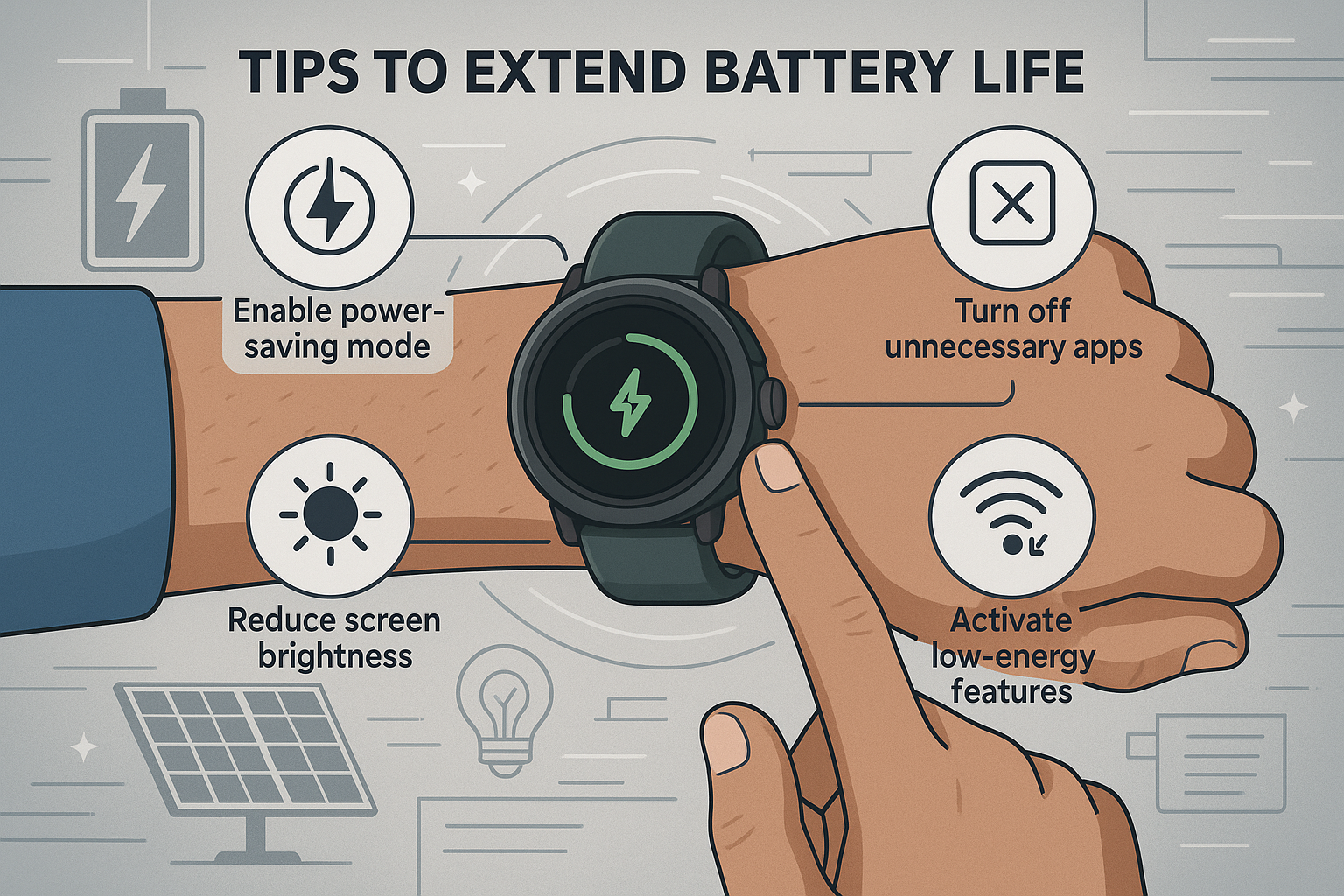
- Battery life: Power-hungry features like AR and AI drain batteries quickly, limiting usage time
- Privacy concerns: Built-in cameras can make people around the wearer uncomfortable in public spaces
- High cost: Many smart glasses are still priced significantly higher than standard wearables
- Social acceptance: Some users are still hesitant about wearing technology on their face daily
Manufacturers are actively working on all these issues. As components become smaller, cheaper, and more energy-efficient, these barriers are expected to shrink considerably over the next few years.
What the Future Holds for Smart Glasses
Major technology companies are investing heavily in smart eyewear, AI integration, and AR development. The next generation of smart glasses is expected to be lighter, more stylish, longer-lasting, and significantly more affordable.
Industry experts believe smart glasses could eventually become as common as smartphones. They have the potential to change how people work, shop, learn, travel, and communicate — all without ever needing to pull out a phone.
As adoption grows and technology matures, smart glasses are positioned to become one of the most important personal technology devices of this decade.
Smart glasses are no longer a distant future concept. They are here, they are improving rapidly, and they are solving real problems for real people. Whether you are a professional looking to boost productivity or a consumer wanting a more connected lifestyle, smart glasses offer a compelling glimpse into where personal technology is headed next.
Frequently Asked Questions
Smart glasses provide hands-free access to information, navigation, calls, and notifications without requiring you to hold or look at a device. With Augmented Reality, they can also overlay digital content directly onto the real world, which a smartphone screen cannot replicate in the same natural way.
Smart glasses are generally safe to use, but built-in cameras can raise privacy concerns in public spaces. Many manufacturers include indicator lights to show when the camera is active. Users should be mindful of local laws and social norms when using camera-equipped smart glasses in public.
Smart glasses vary widely in price depending on features. Basic audio-focused smart glasses can start around a few thousand rupees, while advanced AR-enabled models from brands like Meta or Google can cost significantly more. Prices are expected to become more affordable as the technology matures.