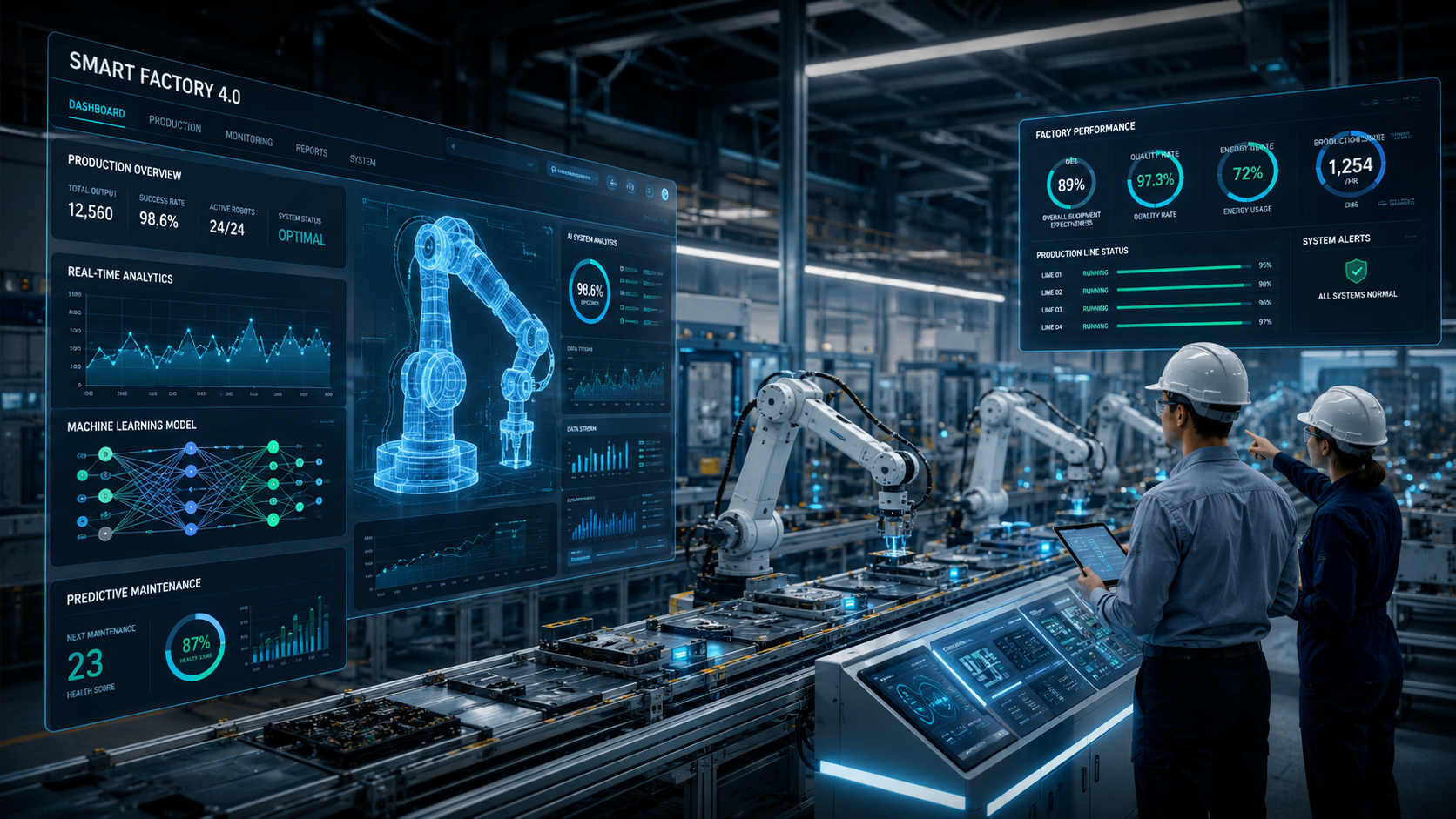
Industrial automation has taken a significant leap forward with the arrival of self-learning robots. Unlike traditional machines that follow fixed instructions, these intelligent systems can adapt, improve, and make decisions on their own — making them a powerful force in modern manufacturing and industrial operations.
What Are Self-Learning Robots and How Do They Work?
Self-learning robots are intelligent machines that improve their performance over time without needing constant reprogramming by human engineers. Traditional robots execute the same programmed steps repeatedly. If the production process changes, someone must manually update the robot’s instructions. Self-learning robots work differently.
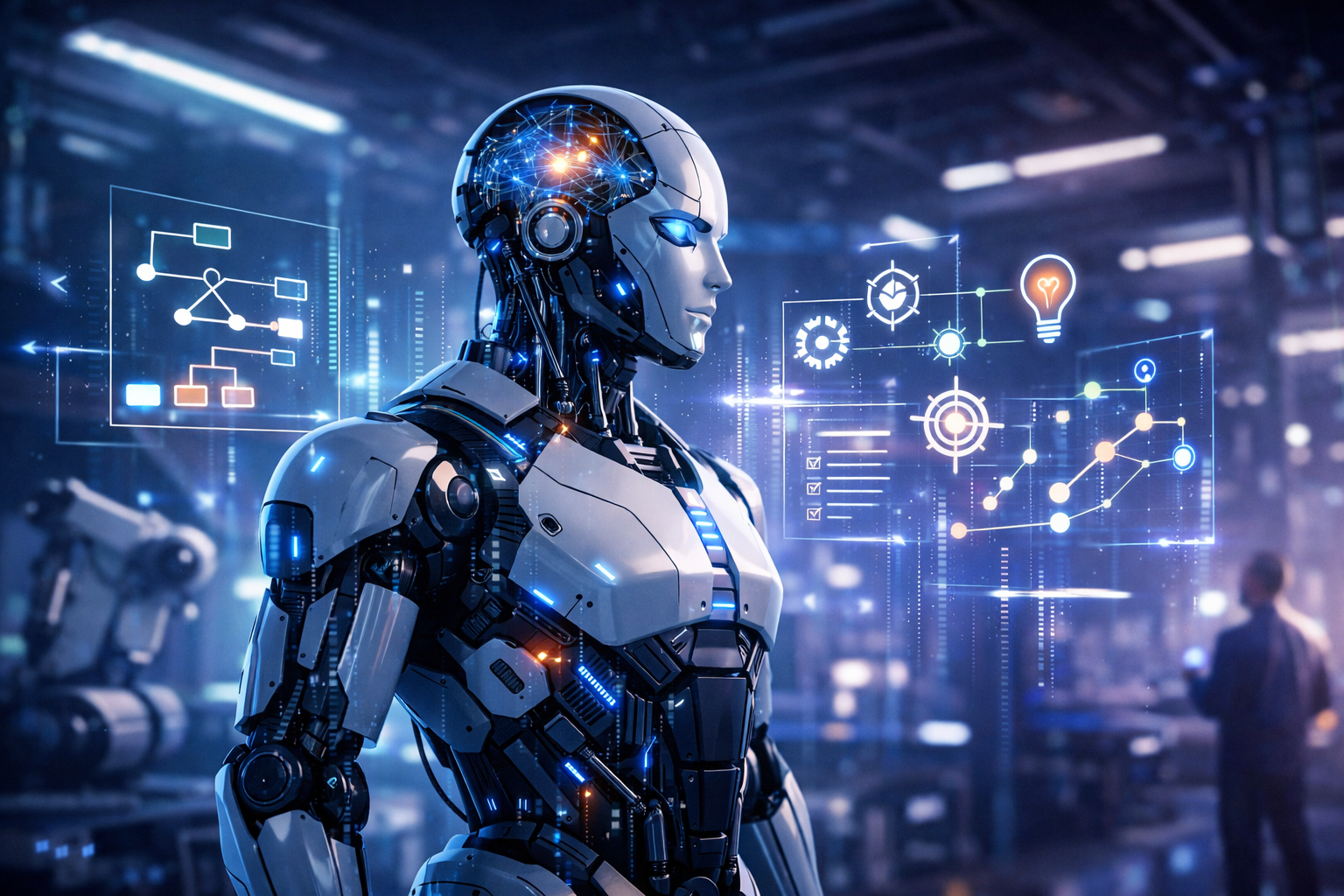
These machines collect real-time data through cameras and sensors, analyze it using Artificial Intelligence (AI) and Machine Learning, and then apply what they have learned to perform tasks more accurately in the future. Over time, they identify patterns, avoid repeated mistakes, and find more efficient ways to complete their work.
- AI helps robots understand information and make smart decisions.
- Machine Learning allows them to improve based on past experiences.
- Advanced sensors and cameras give them real-time awareness of their surroundings.
Key Benefits Driving Industry Adoption
Businesses across sectors are adopting self-learning robots because they deliver measurable improvements in productivity, quality, and safety. Here is a closer look at the major advantages:
- Higher productivity: As robots gather more operational data, they discover faster and more effective ways to complete tasks, reducing delays and improving output.
- Better quality control: Using advanced vision systems, these robots learn to detect defects and inconsistencies with high accuracy, reducing waste and improving customer satisfaction.
- Predictive maintenance: By monitoring machine performance data, self-learning robots can spot early warning signs of equipment failure, allowing companies to schedule repairs before costly breakdowns occur.
- Workplace safety: Robots can take over repetitive, heavy, or hazardous tasks, reducing the risk of workplace injuries and allowing employees to focus on higher-value work.
- Flexibility: Manufacturers can introduce new products or adjust production lines without spending significant time reprogramming machines.
Industries Already Using Self-Learning Robots
Self-learning robots are being deployed across a wide range of industries, each benefiting in different ways.
| Industry | Key Applications |
|---|---|
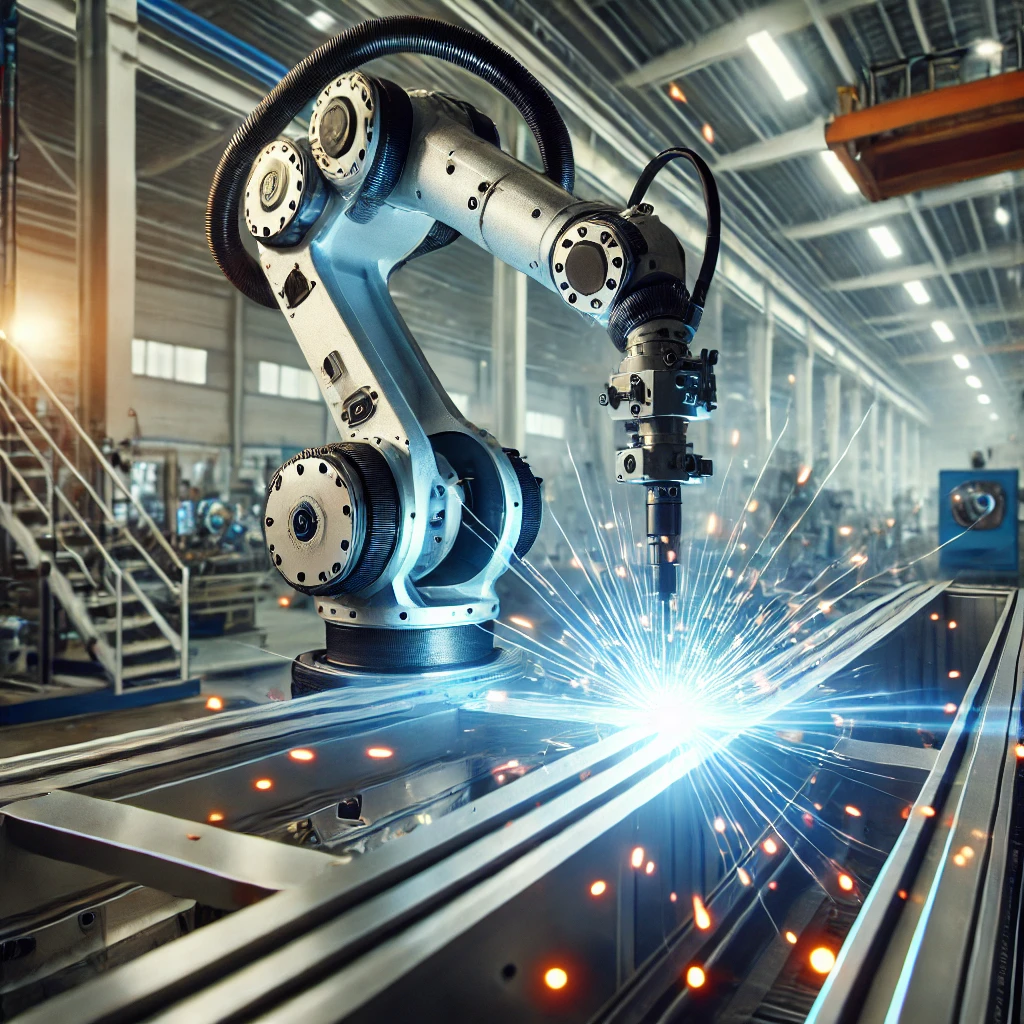
| Manufacturing | Assembly, welding, packaging, quality inspection |
| Warehousing & Logistics | Inventory management, product sorting, goods movement |
| Automotive | Precision assembly, quality checks |
| Electronics | Handling delicate components with extreme accuracy |
| Pharmaceuticals | Packaging, testing, and production process improvement |
Self-Learning Robots and the Industry 4.0 Connection
Industry 4.0 is turning factories into smart, connected environments where machines communicate and share data in real time. Self-learning robots are central to this shift. They connect with other machines on the production floor, exchange operational data, and make decisions that improve efficiency across the entire line.
Technologies such as digital twins, edge computing, and advanced computer vision are further strengthening the capabilities of these robots. As more businesses move toward smart factory models, intelligent robotics will become an essential part of their infrastructure.
Challenges Companies Should Prepare For
Despite the clear advantages, businesses should go into this transition with a realistic understanding of the challenges involved.
- High initial investment: Advanced robotics systems require specialized hardware and software, which can be expensive to set up.
- Skilled workforce requirement: Companies need trained employees who can manage, maintain, and troubleshoot these systems.
- Data security risks: Connected robots generate and process large volumes of data. Protecting this information from cyber threats is critical.
Many organizations find that the long-term gains in efficiency, quality, and cost savings outweigh these upfront challenges. Careful planning and phased implementation can help reduce the risks.
What the Future Holds for Industrial Robotics
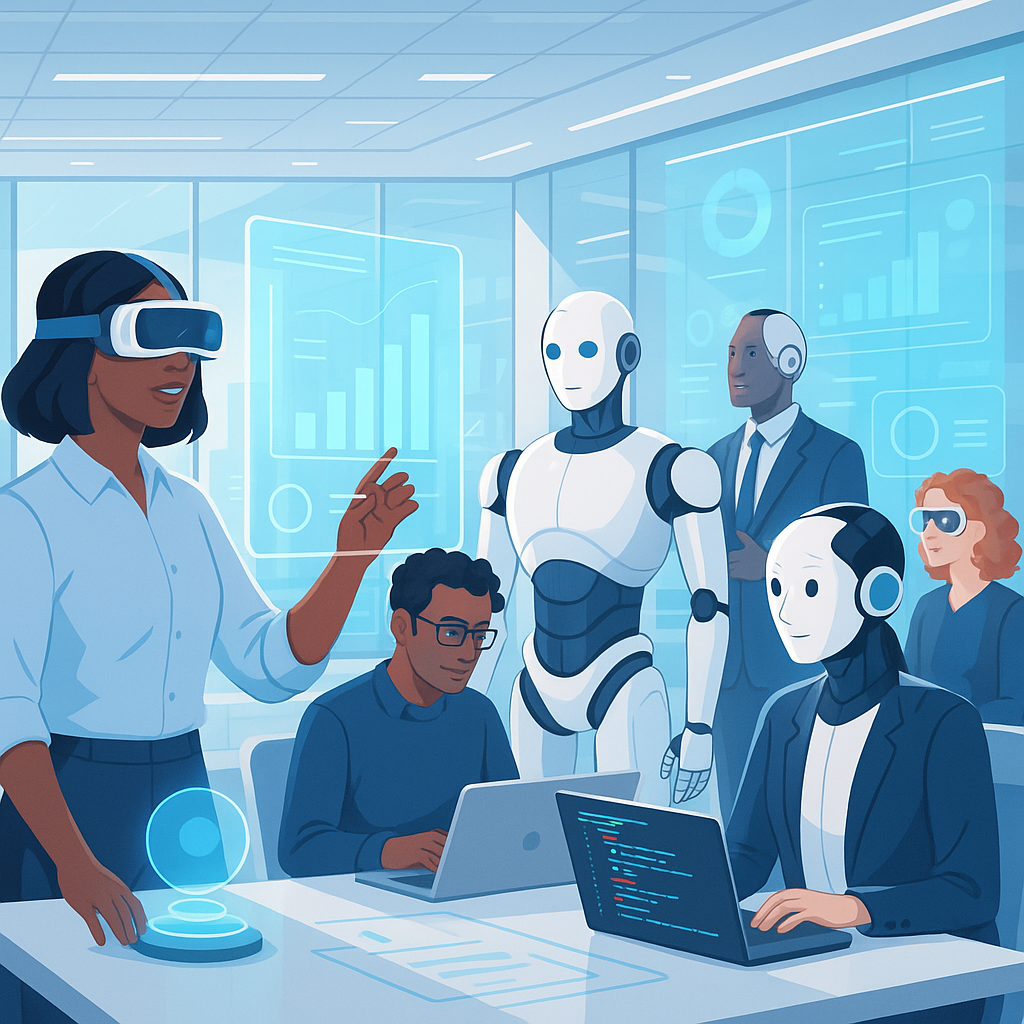
The trajectory for self-learning robots points strongly upward. As AI technology matures, these machines will become faster, smarter, and capable of handling increasingly complex tasks. Closer collaboration between humans and robots — often called human-robot collaboration — will become more common on factory floors.
In the years ahead, self-learning robots are expected to play a bigger role not just in manufacturing and logistics, but also in healthcare, agriculture, and infrastructure maintenance. Their ability to continuously improve without human intervention makes them one of the most valuable technologies in the current industrial era.
For businesses that invest in this technology today, the competitive advantage could be significant — faster production, fewer errors, lower costs, and safer workplaces all at once.
Frequently Asked Questions
Traditional robots follow fixed, pre-programmed instructions and require manual updates when processes change. Self-learning robots use AI and Machine Learning to collect data, analyze their own performance, and improve over time without constant reprogramming.
Self-learning robots are being used in manufacturing, automotive, electronics, warehousing and logistics, and pharmaceuticals. They assist with tasks like assembly, quality inspection, packaging, inventory management, and predictive maintenance.
The key challenges include high initial investment costs, the need for skilled employees to manage and maintain the systems, and data security risks associated with connected machines that process large volumes of operational data.