
Wearable technology is entering a new phase. AI smart glasses and AI pins are no longer just concepts — they are becoming real, practical devices that could change how people interact with the world around them. As 2026 approaches, these two innovations are drawing serious attention from tech enthusiasts, everyday users, and the broader industry alike.
What Are AI Smart Glasses?
AI smart glasses look like ordinary eyewear, but they carry powerful technology inside. Using artificial intelligence and augmented reality, they display useful information directly in your line of sight.
Imagine walking through an unfamiliar city. Your glasses can show turn-by-turn directions, translate street signs in real time, or pull up details about a nearby restaurant — all without you ever reaching for your phone.
- Real-time navigation overlays
- Instant language translation of signs and text
- Hands-free notifications and reminders
- Information about nearby places and people
The key advantage is that everything happens visually, right in front of your eyes, keeping your hands free and your attention where it belongs.
What Are AI Pins?
AI pins are compact devices that clip onto your clothing. They act as a personal assistant that stays with you throughout the day — no screen required.
You interact with them mostly through voice. Ask a question, set a reminder, or request information, and the device responds. Some AI pins can even project a small display onto your palm or a nearby surface when visual output is needed.
Their appeal lies in simplicity. They are lightweight, discreet, and designed to reduce the constant pull of smartphone screens.
How Do They Compare?
| Feature | AI Smart Glasses | AI Pins |
|---|---|---|
| Primary Interaction | Visual display, AR overlay | Voice commands |
| Form Factor | Worn on face like eyeglasses | Clipped onto clothing |
| Best Use Case | Navigation, translation, visual info | Reminders, queries, quick tasks |
| Screen Needed? | No — uses AR lens | No — voice or projection |
Real-Life Uses That Go Beyond Tech Enthusiasts
These devices are not built only for early adopters. Their practical applications span a wide range of everyday situations:
- Travel: Instant translation of foreign languages, signs, and menus
- Work: Hands-free reminders, calendar alerts, and task management
- Shopping: Product information, price comparisons, and reviews on the spot
- Accessibility: Real-time assistance for people with visual or hearing impairments
- Health: Potential for monitoring vitals or guiding users through medical instructions
The common thread is that both devices aim to deliver information at the right moment without interrupting what you are doing.
Key Trends Shaping These Wearables in 2026
Several developments are pushing AI wearables forward this year:
- On-device processing: Newer models can handle tasks without a constant internet connection, improving speed and protecting user privacy.
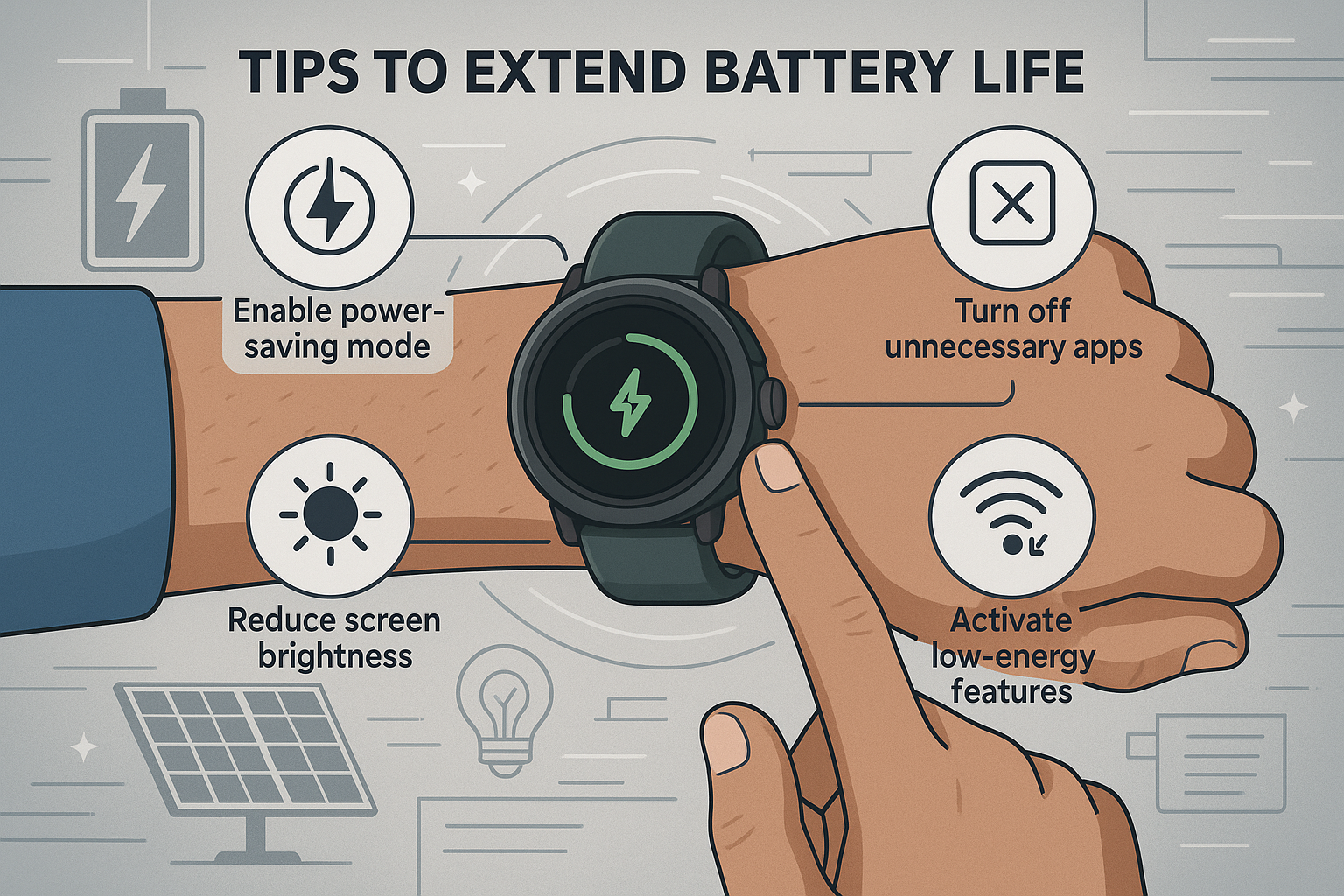
- Better battery life: Longer usage between charges is making these devices more practical for all-day wear.
- Stylish design: Companies are investing heavily in making these gadgets look good, so users feel confident wearing them in public settings.
- Personalisation: These devices learn user habits over time and offer smarter, more relevant suggestions.
Challenges That Still Need Solving
Despite the excitement, real obstacles remain. Privacy is the most discussed concern — devices that are always listening or capturing visuals raise valid questions about data security and consent.
Cost is another barrier. Premium AI wearables are still priced out of reach for many consumers. Social acceptance also plays a role; not everyone is comfortable wearing visible technology in public spaces.
Battery limitations, though improving, still restrict how long these devices can be used without recharging. Developers and manufacturers are actively working on all these fronts, but they remain genuine challenges heading into 2026.
What the Road Ahead Looks Like
AI smart glasses and AI pins point toward a future where technology works quietly in the background rather than demanding your constant attention. The smartphone may not disappear overnight, but these wearables are beginning to take over some of its most common functions.
As the hardware becomes lighter, the software becomes smarter, and the prices come down, adoption is likely to grow steadily. The vision is straightforward — technology that helps you live better without getting in the way.
Whether you are a frequent traveller, a busy professional, or someone who simply wants fewer distractions, AI wearables in 2026 are worth watching closely. They represent a genuine shift in how humans and technology coexist.