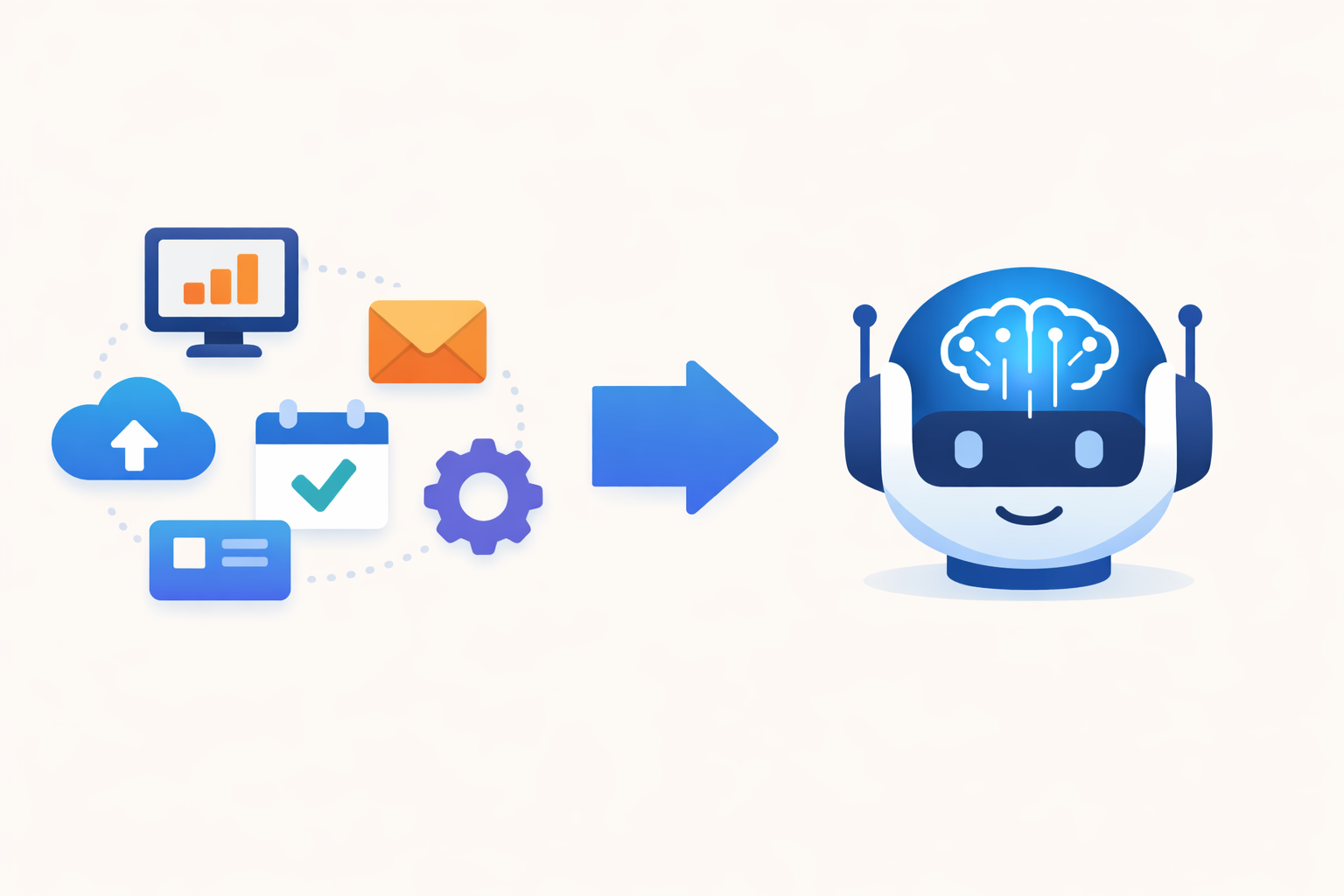
The software industry is going through one of its biggest shifts in decades. First came installed software, then cloud-based SaaS tools, and now a new wave is building — AI agents. These intelligent programs can think, plan, and act on their own, raising a serious question for businesses everywhere: will AI agents eventually replace SaaS software?
What Are AI Agents and How Do They Work?
AI agents are smart software programs that can operate with minimal human guidance. Unlike traditional tools that wait for user input, AI agents understand goals and take steps to achieve them independently.
Here is what an AI agent can typically do:
- Understand your goal from a simple instruction
- Decide which actions to take without being told step by step
- Use multiple tools and APIs automatically in the background
- Learn from results and adjust its approach over time
- Improve its performance with each task it completes
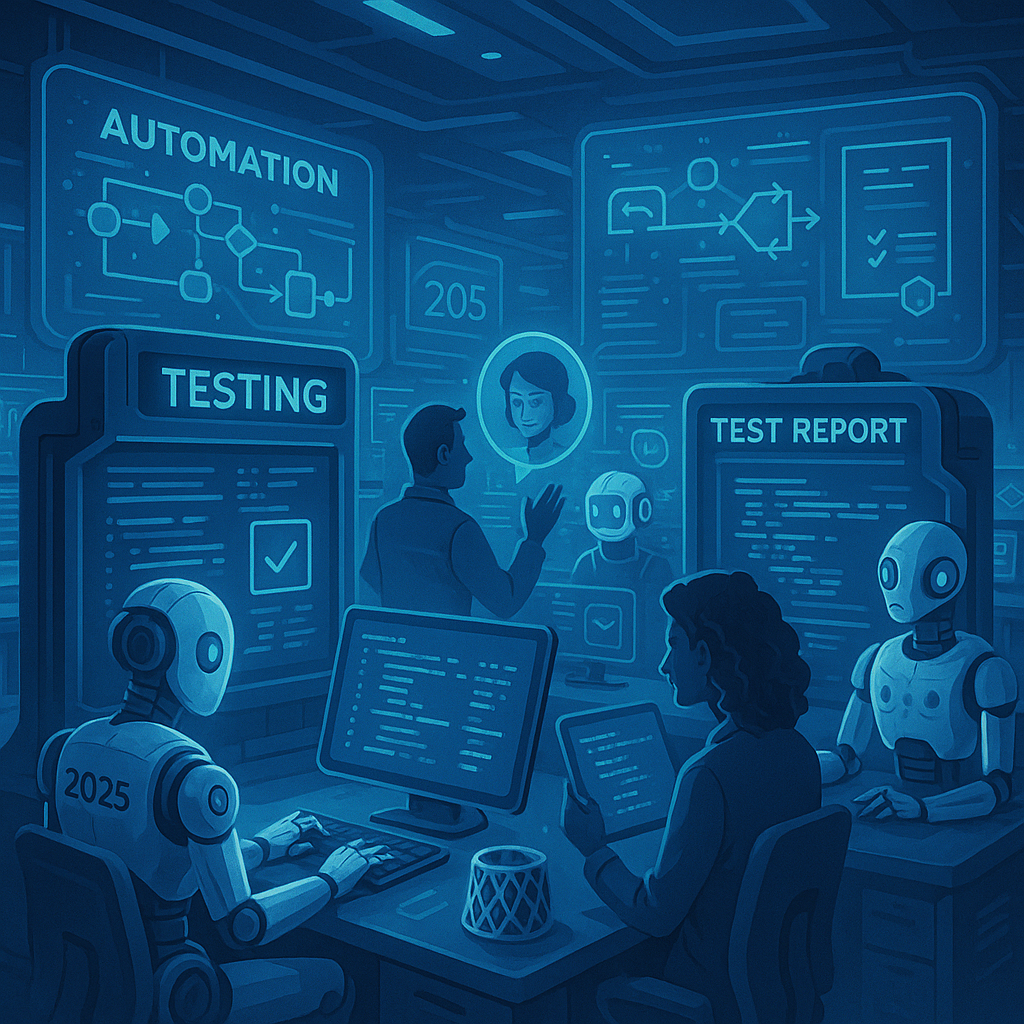
Think of AI agents as digital workers, not just software tools. They handle entire workflows, not just single tasks.
How SaaS Software Works Today — And Its Limitations
SaaS platforms have made business software more accessible than ever. Instead of installing programs, companies pay monthly or yearly subscriptions to use tools online. But the model has a clear weakness — most SaaS tools are built to do one job.
A typical business might use:
- One tool for email marketing
- Another for customer support
- A separate platform for project management
- Yet another for data analytics
To complete even a single workflow, employees often have to open multiple dashboards, enter data manually, and switch between platforms constantly. This takes time, increases costs, and creates room for human error.
AI Agents vs SaaS: Key Differences at a Glance
| Feature | Traditional SaaS | AI Agents |
|---|---|---|
| User Input Required | High — manual steps needed | Low — goal-based instructions |
| Task Scope | Single function per tool | Full workflow automation |
| Learning Ability | None | Improves over time |
| Tool Integration | Limited, often manual | Automatic, behind the scenes |
| Cost Efficiency | Multiple subscriptions | Potentially fewer tools needed |
Can AI Agents Fully Replace SaaS? The Honest Answer
The short answer is no — not completely, at least not in the near future. AI agents are powerful, but they still depend on existing software infrastructure, secure platforms, and reliable backend systems to function.
Several sectors will continue to rely heavily on dedicated SaaS tools:
- Finance and banking — where compliance and audit trails are critical
- Healthcare — where data privacy regulations are strict
- Enterprise resource planning — where deep integrations are essential
- Legal and compliance software — where human oversight remains necessary
However, AI agents are very likely to replace a specific category of SaaS products — those built around repetitive tasks, simple automation, single-feature functions, and rule-based workflows. These are areas where human decision-making is minimal and automation can take over completely.
How SaaS Companies Are Responding to the AI Agent Shift
Smart SaaS companies are not ignoring this trend — they are adapting to it. Rather than competing with AI agents, many platforms are building them directly into their products.
This is giving rise to a new category called AI-First SaaS, where the software itself is powered by intelligent agents. These platforms are:
- Adding built-in AI agents that automate user workflows
- Offering smarter, context-aware features
- Reducing the number of manual steps users need to take
- Connecting with other tools automatically using AI-driven integrations
For businesses, this means the SaaS tools they already use may soon become far more capable without requiring a complete switch to standalone AI agents.
What This Means for Businesses in India and Beyond
For Indian businesses — from startups to large enterprises — the rise of AI agents brings real, practical benefits. Companies that adopt this technology early are likely to gain a competitive edge.
Key advantages include:
- Reducing the number of software subscriptions and cutting costs
- Automating repetitive daily tasks across departments
- Making faster, data-driven decisions without manual analysis
- Improving team productivity by freeing employees for higher-value work
- Scaling operations without proportionally increasing headcount
The transition will not happen overnight, but businesses that start exploring AI agent tools now will be better positioned as the technology matures.
The future of software is not a battle between AI agents and SaaS. It is a collaboration. Software is becoming smarter, more autonomous, and more focused on delivering outcomes rather than just features. SaaS platforms that evolve alongside AI agents will grow stronger. Those that resist change may find themselves losing relevance over time. The businesses that understand this shift early — and act on it — stand to benefit the most.
Frequently Asked Questions
No, AI agents will not completely replace SaaS software. They are most likely to replace simple, single-function, and repetitive task tools. Complex SaaS platforms in finance, healthcare, and enterprise systems will continue to exist, though many will add AI agent capabilities over time.
SaaS tools built around repetitive tasks, basic automation, single features, and rule-based workflows are most at risk. These are areas where AI agents can take over without needing human decision-making at each step.
Businesses should start by identifying repetitive workflows that could be automated, explore AI-powered versions of their existing SaaS tools, and consider piloting standalone AI agent platforms. Early adoption gives companies a productivity and cost advantage over competitors.