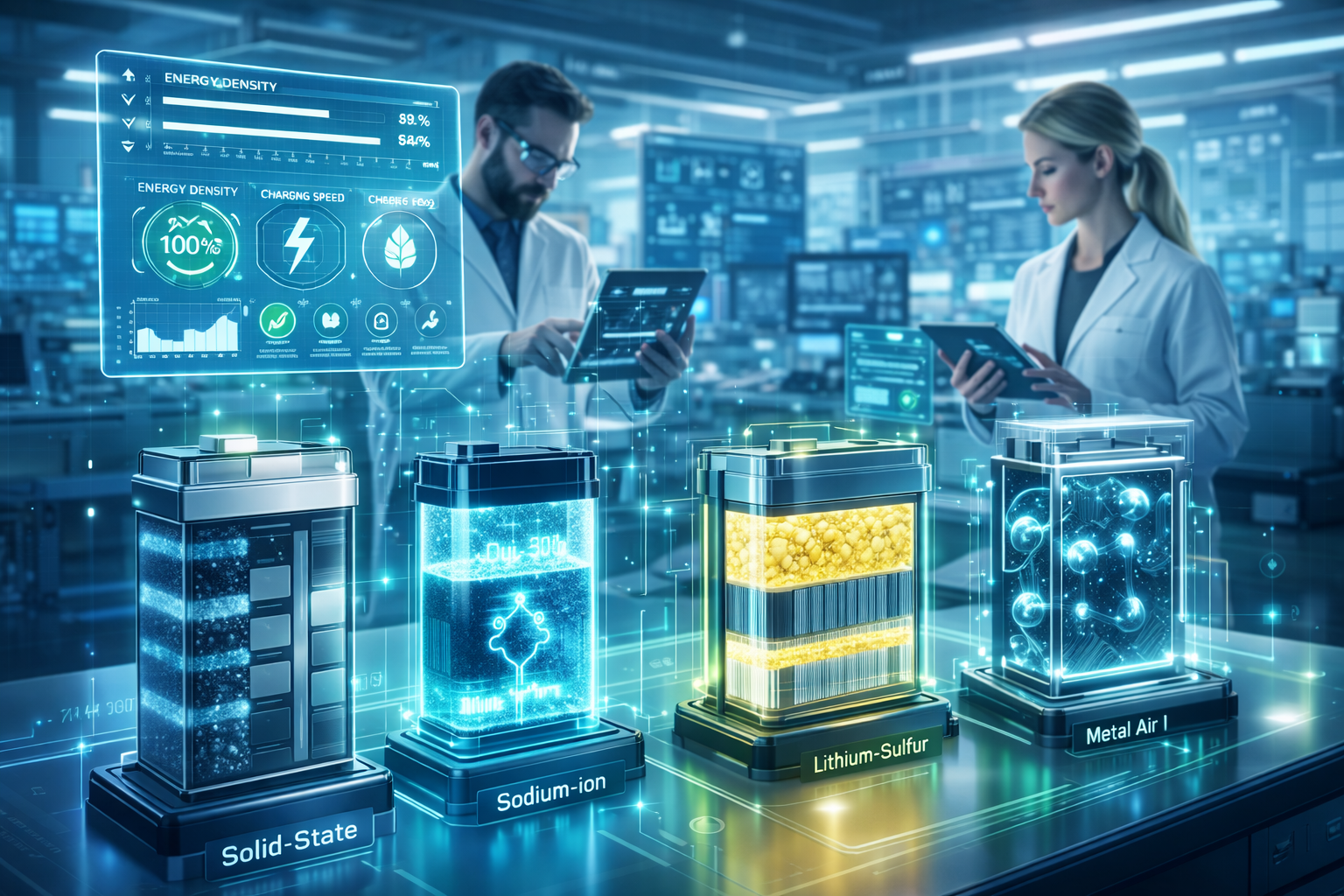
Lithium-ion batteries have powered our world for decades, from smartphones to electric cars. But as energy demands grow and sustainability becomes a priority, engineers and researchers are pushing hard to develop the next generation of battery technologies that are safer, cheaper, and far more capable.
Why the World Needs Better Batteries
Lithium-ion batteries have served us well, but they come with real limitations. They can overheat, sometimes causing fires. They take a long time to charge. The raw materials needed — lithium and cobalt — are expensive and geographically concentrated, making supply chains fragile.
At the same time, the global shift toward electric vehicles (EVs) and renewable energy sources like solar and wind is accelerating. This creates an urgent need for battery solutions that can store more energy, last longer, charge faster, and cost less to produce. That is exactly what next-generation battery engineering is working to deliver.
Key Battery Technologies Being Developed
Several promising technologies are currently under active development and testing around the world. Here is a look at the most significant ones:
- Solid-State Batteries: These replace the liquid electrolyte inside traditional batteries with a solid material. This makes them far less likely to catch fire, allows them to store more energy in a smaller space, and makes them ideal for electric vehicles and high-performance electronics. Major automakers and tech companies are investing heavily in solid-state battery research.
- Sodium-Ion Batteries: Sodium is far more abundant and affordable than lithium. Sodium-ion batteries store slightly less energy than lithium-ion equivalents, but they are a strong candidate for large-scale energy storage systems and power grid applications where cost matters more than energy density.
- Lithium-Sulfur Batteries: These batteries are significantly lighter than conventional options and can store more energy by weight. They are particularly suited for drones, electric aircraft, and long-range vehicles. The main challenge engineers are tackling is improving their durability and cycle life so they can withstand repeated charging and discharging.
- Zinc-Based and Metal-Air Batteries: These use natural chemical reactions with oxygen from the air to generate electricity. They are safe, affordable, and environmentally friendly, making them well-suited for backup power systems and renewable energy storage at scale.
| Battery Type | Key Advantage | Best Use Case |
|---|---|---|
| Solid-State | Safer, higher energy density | Electric vehicles, electronics |
| Sodium-Ion | Low cost, abundant material | Grid-scale energy storage |
| Lithium-Sulfur | Lightweight, high energy | Drones, electric aircraft |
| Zinc/Metal-Air | Eco-friendly, affordable | Backup power, renewables |
How Engineers Are Improving Battery Performance
Building a better battery is not just about choosing different materials. Engineers are using advanced design tools, new manufacturing techniques, and smart testing methods to push performance boundaries. Key areas of focus include:
- Developing new electrode and electrolyte materials that improve energy storage and reduce degradation over time.
- Designing battery management systems that monitor temperature, charge levels, and usage patterns to extend battery life.
- Using simulation and modelling tools to test battery designs virtually before physical prototypes are built, saving time and cost.
- Improving manufacturing processes to bring down production costs and enable large-scale output.
The Role of Advanced Batteries in Clean Energy
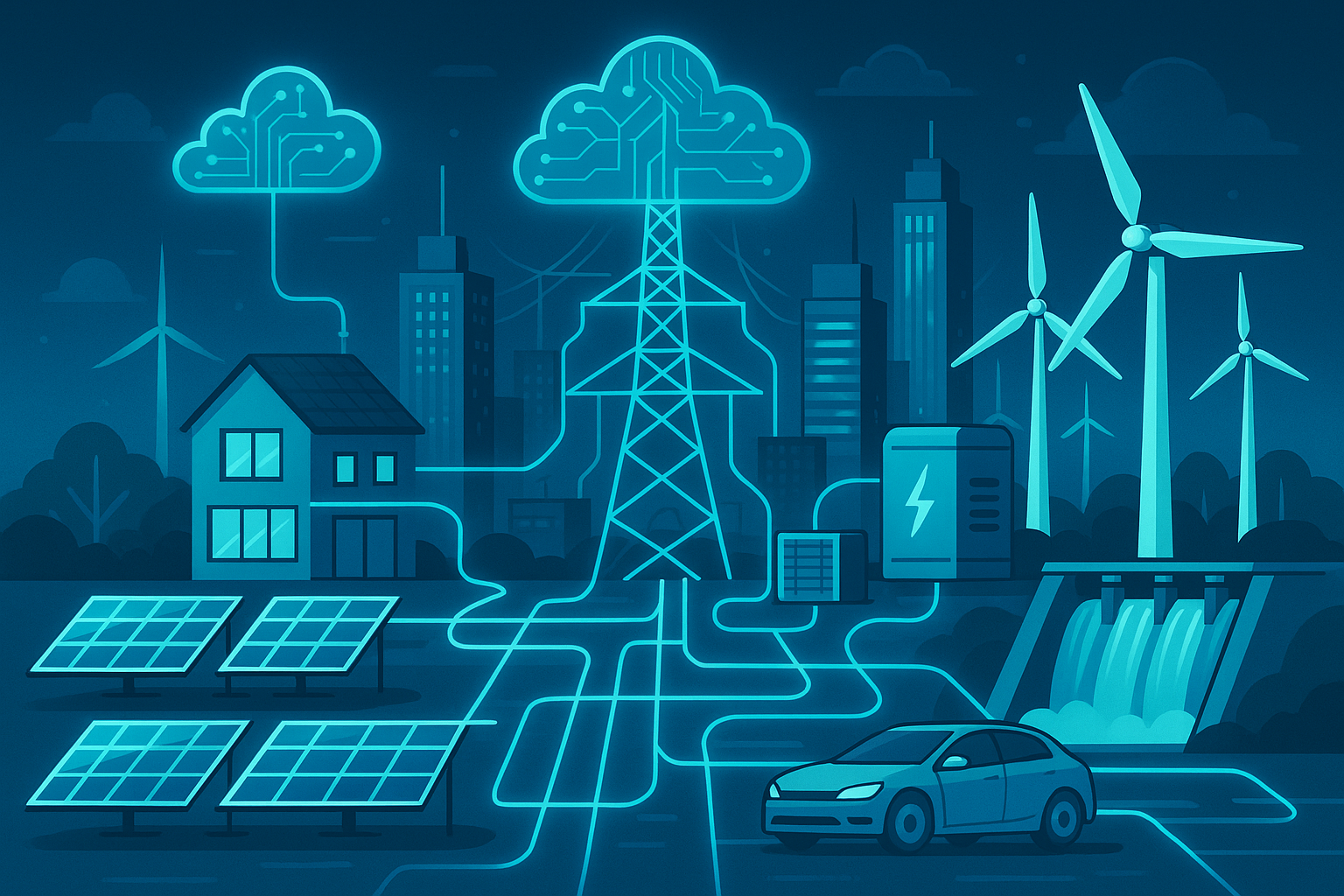
One of the most critical roles for next-generation batteries is in supporting clean energy systems. Solar panels and wind turbines generate electricity only when the sun shines or the wind blows. Without effective storage, that energy goes to waste.
Advanced batteries can store surplus energy generated during peak production periods and release it when demand is high or generation is low. This ability to balance supply and demand is essential for making renewable energy reliable enough to replace fossil fuels at a national or global scale.
Countries investing in large-scale battery storage infrastructure are already seeing improvements in grid stability and reductions in dependence on coal and gas-fired power plants.
Challenges That Still Need to Be Solved
Despite the exciting progress, next-generation battery technologies face significant hurdles before they can reach mainstream use:
- High production costs: Many advanced batteries are still expensive to manufacture compared to lithium-ion alternatives.
- Limited manufacturing scale: Factories capable of producing these new batteries at the volumes needed do not yet exist in large numbers.
- Long testing timelines: Batteries must go through years of rigorous safety and performance testing before they can be used in consumer products or vehicles.
- Material sourcing: Even alternative chemistries can face supply chain challenges if key materials are concentrated in specific regions.
Researchers, governments, and private companies are all working to address these challenges through increased funding, policy support, and international collaboration.
The future of energy storage is clearly moving beyond lithium-ion. As research matures and production scales up, these next-generation batteries will play a central role in powering electric transportation, stabilising clean energy grids, and enabling smarter, longer-lasting devices. The progress being made today will shape how the world stores and uses energy for decades to come.
Frequently Asked Questions
The main alternatives include solid-state batteries, sodium-ion batteries, lithium-sulfur batteries, and zinc-based or metal-air batteries. Each offers specific advantages such as improved safety, lower cost, or higher energy density depending on the application.
Solid-state batteries use a solid electrolyte instead of a liquid one, which makes them safer by reducing fire risk. They can also store more energy in a smaller space and are expected to last longer, making them ideal for electric vehicles and high-performance electronics.
While several companies and research institutions are making significant progress, widespread commercial availability of next-generation batteries depends on overcoming challenges like high production costs, limited manufacturing scale, and lengthy safety testing. Industry experts expect gradual adoption over the next five to fifteen years.