
Wearable technology has moved well beyond fitness trackers and smartwatches. Today, businesses across manufacturing, healthcare, logistics, and construction are using smart wearables to help workers do their jobs faster, safer, and more efficiently. The global wearable tech market was valued at around $61 billion in 2023 and is projected to reach $156 billion by 2027, with workplace adoption driving a significant share of that growth.
What Are Workplace Wearables?
Workplace wearables are compact smart devices that employees wear during their shifts to complete tasks, communicate with teams, and stay safe on the job. They are very different from everyday consumer wearables like fitness bands.
While a fitness band counts your steps or sends a phone notification, a workplace wearable connects directly to business systems — inventory software, safety monitoring platforms, or enterprise communication tools. This direct integration is what makes them genuinely useful on the job floor.
- Consumer wearables: Track personal health, deliver notifications, measure activity
- Workplace wearables: Connect to business systems, monitor job-site conditions, enable hands-free communication, and improve task accuracy
Types of Smart Wearables Used at Work
Several categories of workplace wearables are already in active use across industries:
- AR Glasses: Augmented reality glasses display step-by-step instructions directly in the worker’s field of vision. Boeing reported that using AR glasses helped reduce production time by 25% in assembly operations.
- Smart Rings: These small devices allow workers to receive notifications, access secure areas, and make digital payments — reducing the need to carry phones or ID badges.
- Smart Helmets and Safety Gear: Helmets fitted with sensors can detect dangerous gases, temperature changes, and worker fatigue on construction sites. Companies using these have reported around 15% fewer safety incidents.
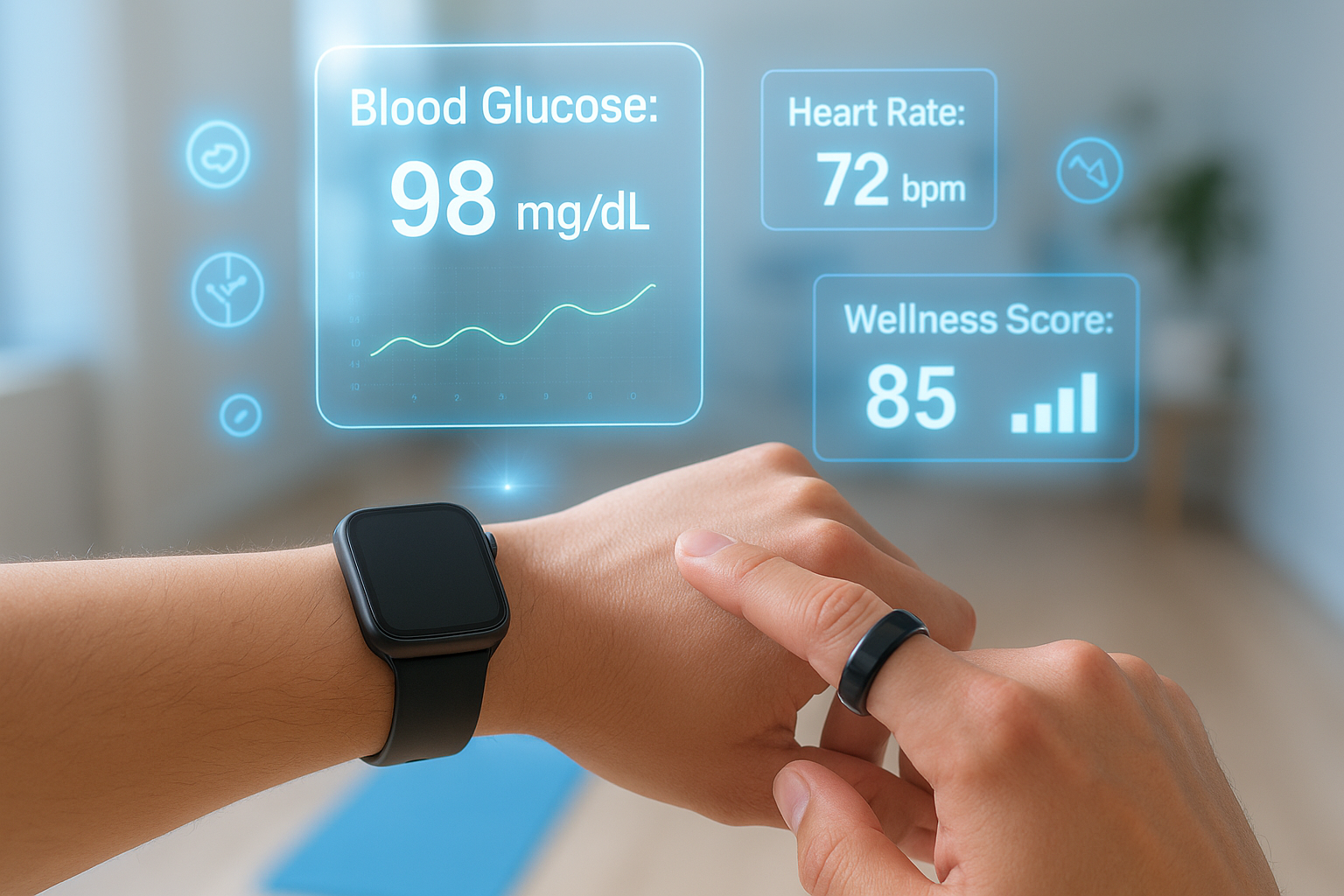
- Health and Wellness Wearables: Devices that monitor stress levels, posture, and heart rate help prevent errors caused by fatigue. Research suggests businesses that focus on employee well-being see a productivity boost of about 12%.
Key Benefits for Businesses and Workers
The advantages of adopting wearable technology at work go beyond simple convenience. Here is a clear comparison of the core benefits:
| Benefit | Impact |
|---|---|
| Improved Productivity | Task duration reduced by 30–40% in some manufacturing roles |
| Enhanced Safety | Up to 20% fewer workplace accidents in high-risk industries |
| Faster Order Picking | Smart glasses speed up logistics picking by up to 25% |
| Better Team Communication | Hands-free communication improves coordination for field and warehouse crews |
| Employee Well-being | Health monitoring wearables linked to 12% productivity improvement |
Which Industries Are Adopting Workplace Wearables Most?
Workplace wearables are not limited to one sector. Several industries are already seeing real results:
- Manufacturing: Used for assembly guidance, employee training, and quality checks using AR glasses and smart sensors.
- Healthcare: Wearables help monitor both staff performance and patient health in real time.
- Logistics and Warehousing: Smart glasses and wrist-worn devices speed up order picking and reduce picking errors significantly.
- Construction: Sensor-equipped helmets track worker fatigue, detect hazardous gases, and monitor job-site conditions continuously.
- Oil and Gas and Mining: Wearables alert workers to environmental dangers, helping reduce injuries in some of the most hazardous work environments.
Challenges and Considerations Before Adopting Wearables
While the benefits are clear, businesses need to think carefully before rolling out wearable technology at scale.
Privacy and Data Protection: Workplace wearables collect sensitive data including health metrics, location, and movement patterns. Companies must handle this data responsibly and comply with regulations such as GDPR and HIPAA to protect employee rights.
Setup and Device Costs: High-end workplace wearables can cost between $500 and $2,000 per worker depending on the technology and features involved. Businesses need to plan for both initial investment and ongoing maintenance.
Employee Acceptance: Workers may have concerns about being constantly monitored. Clear communication about how data is used and what protections are in place is essential for smooth adoption.
What the Future Holds for Workplace Wearables
The next generation of workplace wearables is expected to be even more capable. Trends to watch include:
- Predictive wearables that can anticipate machine failures or detect early signs of worker fatigue before accidents happen
- Smart textiles made with embedded sensors woven into clothing to track health data without any separate device
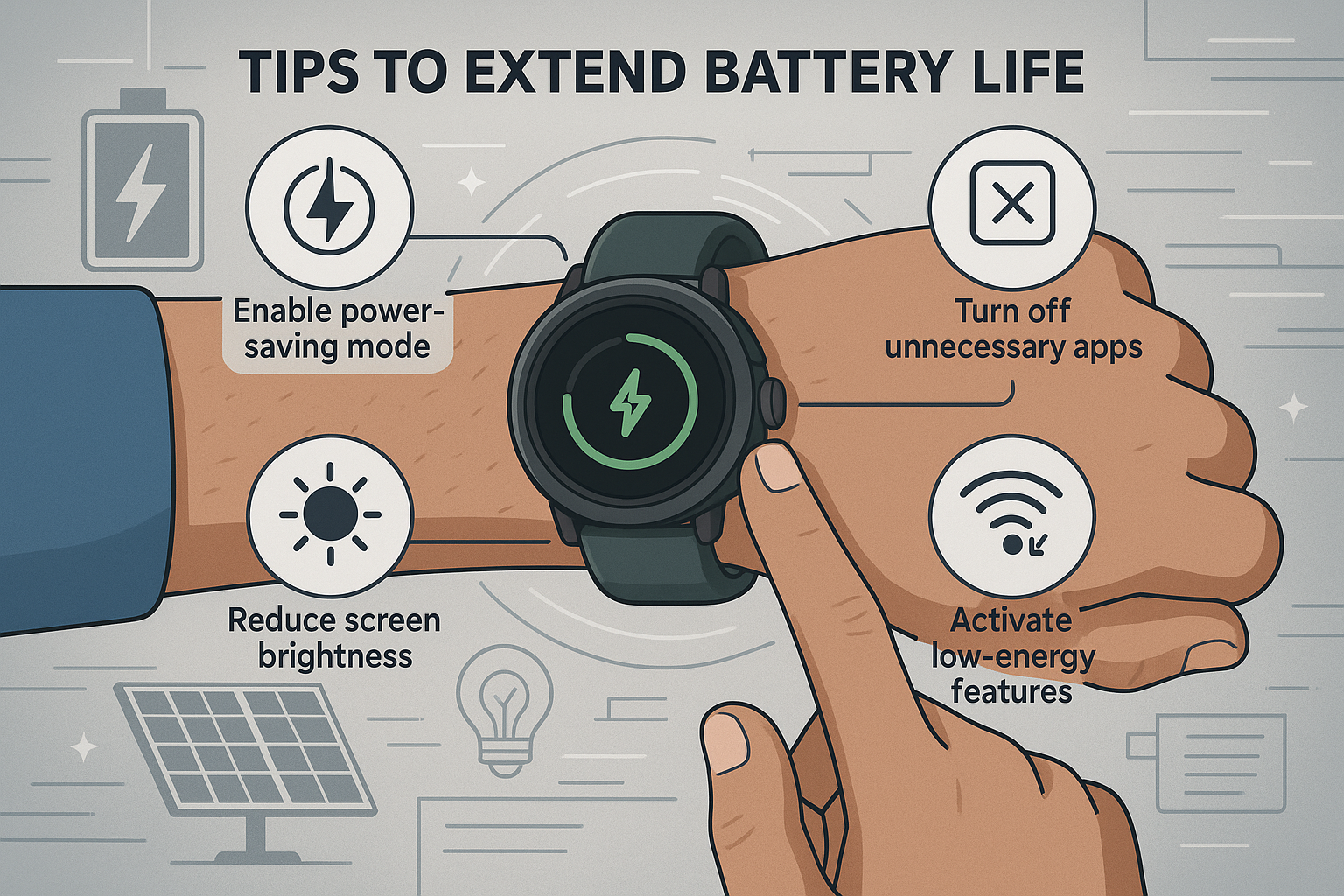
- Energy-harvesting wearables that run on body heat or movement, eliminating the need for battery charging
- Deeper integration with IoT platforms, allowing wearables to communicate with machines, vehicles, and building systems in real time
Workplace wearables are no longer a niche experiment. They are becoming a practical tool for businesses that want to stay competitive, keep workers safe, and improve operational efficiency. Companies that invest in this technology thoughtfully — with clear data policies and proper training — are well-positioned to gain a measurable advantage in the years ahead.
Frequently Asked Questions
Workplace wearables are smart devices designed specifically for use on the job. Unlike consumer wearables such as fitness bands that track personal health or deliver phone notifications, workplace wearables connect directly to business systems like inventory software, safety platforms, and enterprise communication tools to help workers complete tasks faster and more safely.
Manufacturing, healthcare, logistics and warehousing, construction, and oil and gas industries are among the biggest adopters. These sectors use wearables for assembly guidance, safety monitoring, order picking, fatigue detection, and real-time communication between teams.
The key challenges include data privacy and compliance with regulations like GDPR and HIPAA, high upfront costs ranging from $500 to $2,000 per worker, and gaining employee trust by being transparent about how collected data is used and protected.