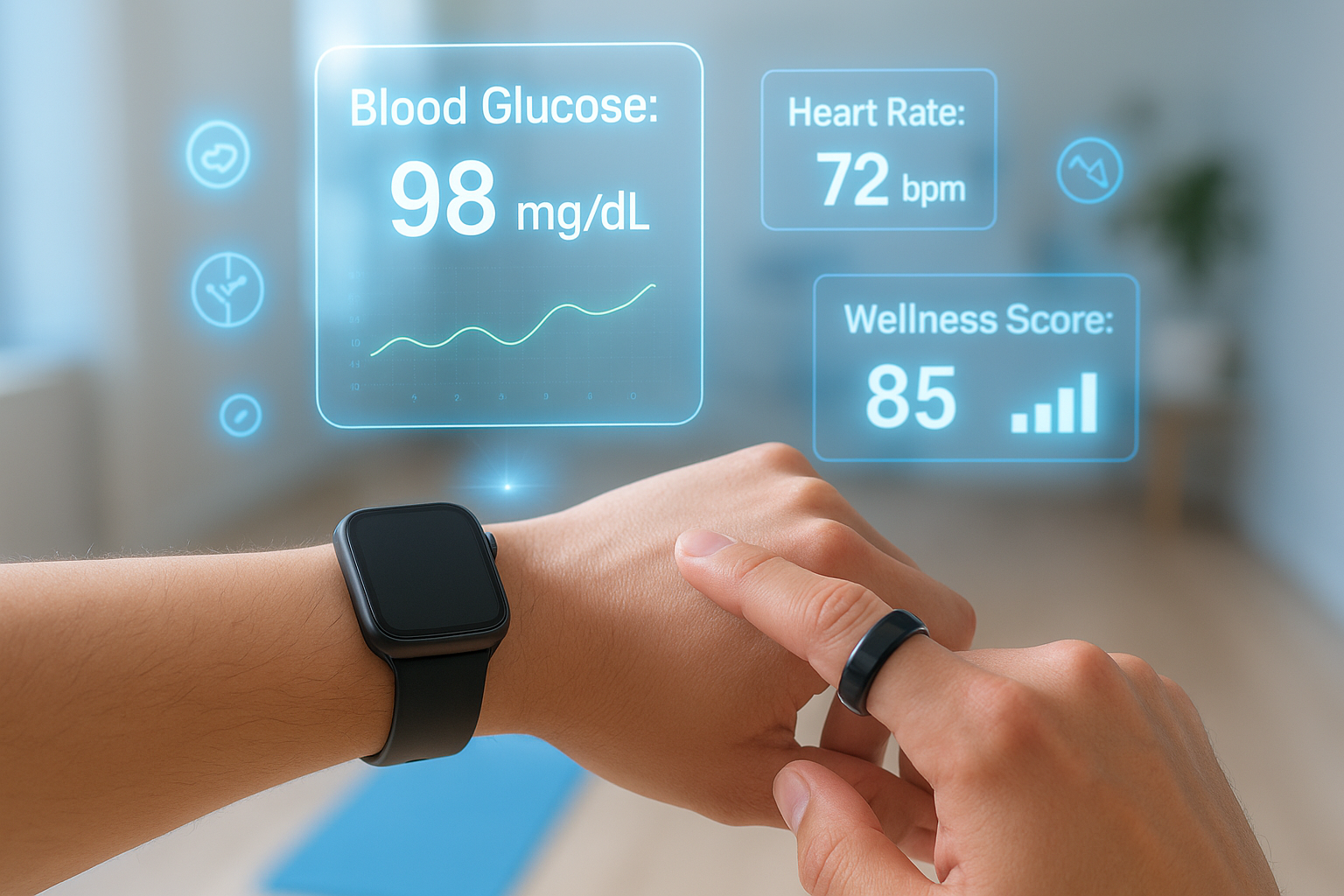
Smart clothing, also known as e-textiles, is changing the way people think about what they wear. These are garments embedded with sensors, conductive threads, and wireless technology that can track health data, respond to the environment, and even connect to your smartphone. What was once a concept from science fiction is now available on store shelves — and growing fast.
What Is Smart Clothing and How Does It Work?
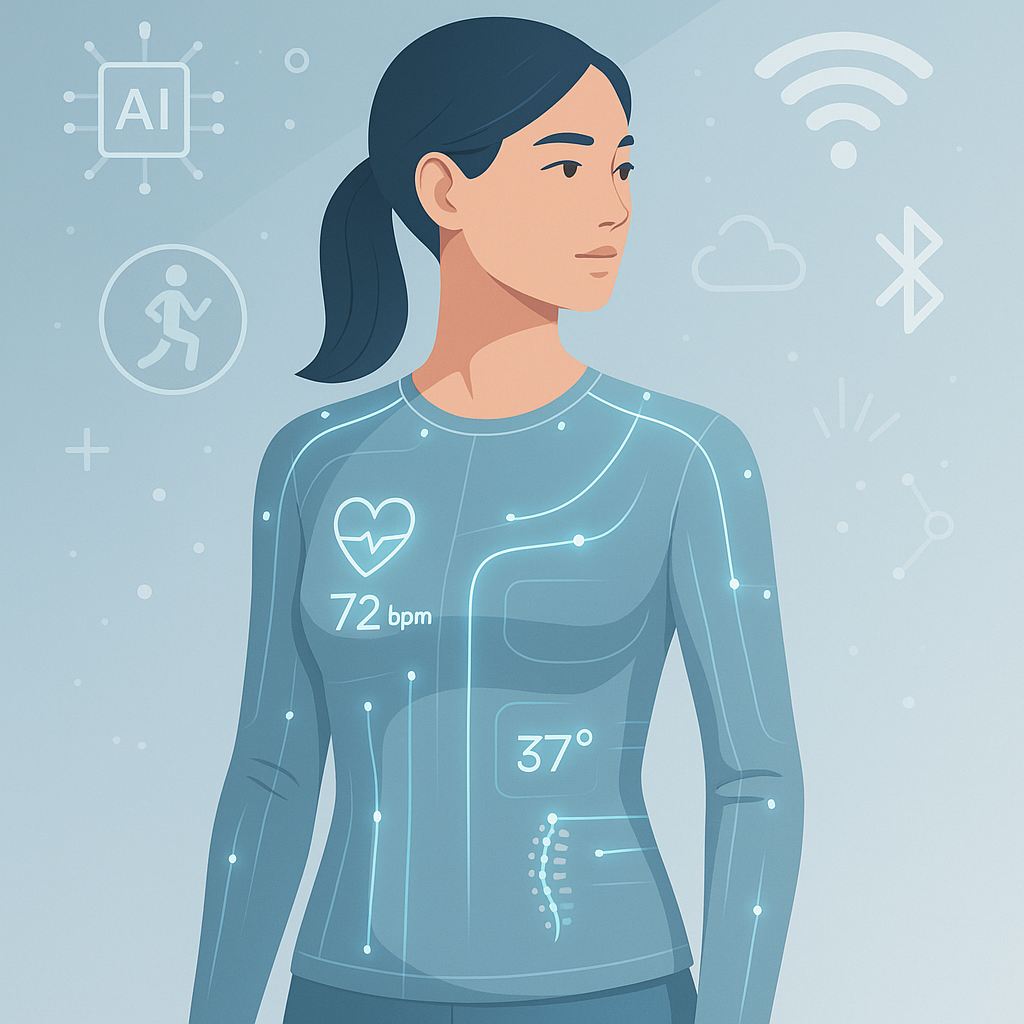
Smart clothing refers to garments that go beyond fabric and stitching. They contain small tech components woven directly into the material, making them functional without looking like gadgets.
These clothes typically rely on three core technologies:
- Sensors — embedded in the fabric to monitor heart rate, body temperature, breathing, and movement.
- Conductive threads — special fibres that carry electrical signals through the garment, similar to wires in a circuit board.
- Wireless connectivity — Bluetooth or Wi-Fi modules that sync data with your smartphone, fitness apps, or health platforms.
Some advanced garments also use machine learning to adapt to the wearer’s habits and routines over time, making the clothing smarter with regular use.
Why Are Consumers Choosing Smart Clothes?
Modern buyers want more from their wardrobe than just style. They want clothes that work for them. This shift in consumer expectations has pushed brands to invest heavily in wearable tech integrated into everyday fashion.
Here is what is driving the demand:
- Growing interest in personal health monitoring without carrying extra devices.
- Rise in fitness culture and the need for real-time performance data during workouts.
- Increasing comfort with wearable technology after the success of smartwatches and fitness bands.
- Demand for clothing that adapts to weather conditions or physical activity levels.
As health awareness rises across India and globally, smart clothing is finding a growing audience among athletes, healthcare patients, and everyday consumers alike.
Real Smart Clothing Products Available Today
Several brands have already launched smart clothing products that are available for purchase. Here are three notable examples:
| Product | Brand | Key Feature |
|---|---|---|
| Jacquard Jacket | Levi’s x Google | Control your phone by tapping the sleeve |
| Hexoskin Smart Shirt | Hexoskin | Monitors heart rate, breathing, and movement — used by athletes and astronauts |
| Nadi X Yoga Pants | Wearable X | Gentle vibrations guide correct yoga posture |
These products show that smart clothing is not limited to one category. It spans casual wear, sportswear, and professional use cases.
Challenges Facing the Smart Clothing Industry
Despite the excitement around e-textiles, there are real challenges that brands and consumers face:
- Washability — Electronic components must survive regular washing without damage.
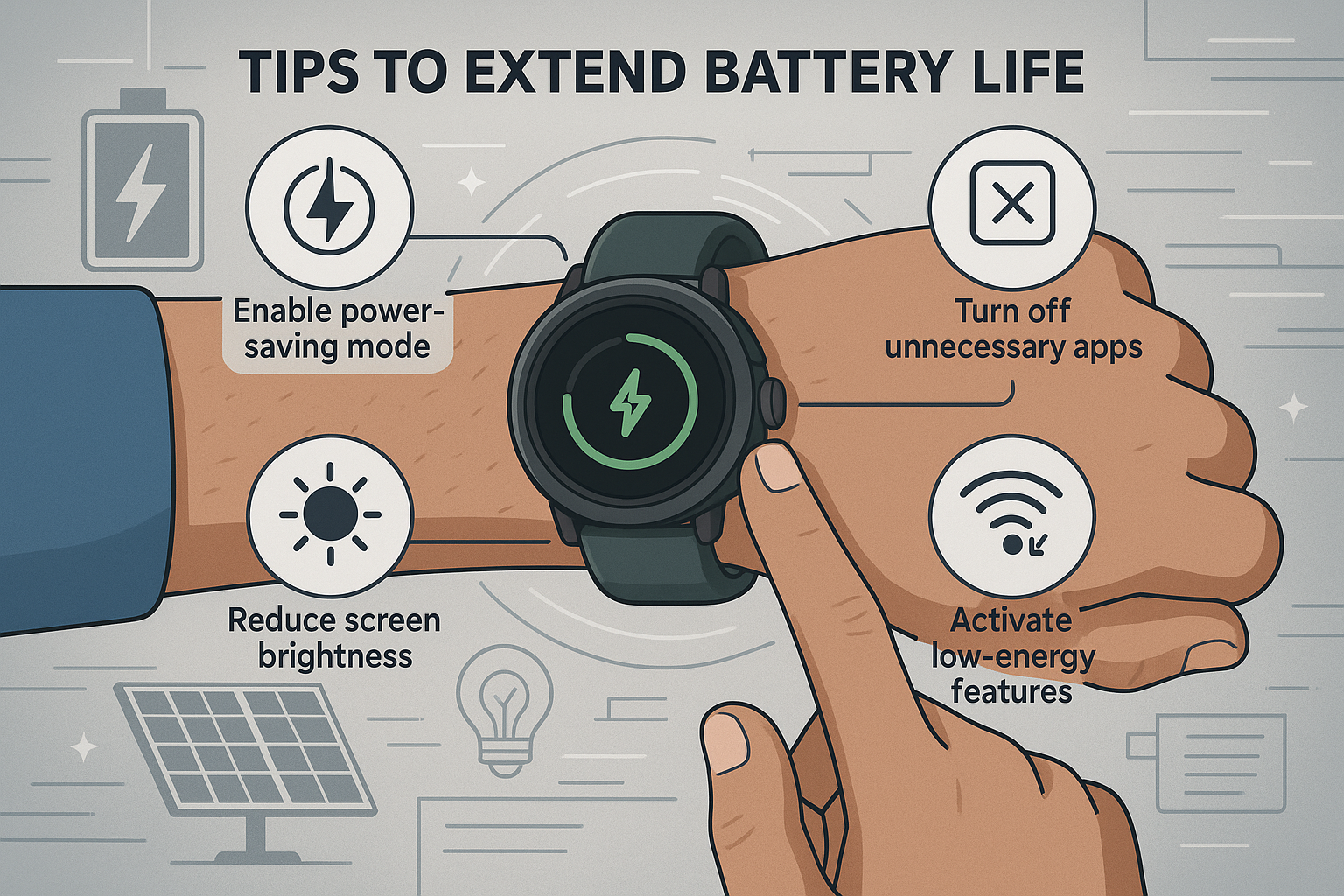
- Battery life — Keeping sensors powered throughout the day remains a design challenge.
- Cost — Smart garments are significantly more expensive than regular clothing.
- Data privacy — Health data collected by clothing raises questions about who owns and stores that information.
- Comfort — Embedding tech without making clothes feel stiff or heavy is an ongoing engineering challenge.
Brands are actively working to solve these issues. Lighter materials, flexible batteries, and improved waterproofing are already making newer products more practical.
The Future of Smart Fashion
The smart clothing industry is expected to grow significantly in the coming years. Researchers and brands are working on garments that will be lighter, more durable, and far more capable than what exists today.
Key developments on the horizon include:
- Clothes that automatically adjust temperature based on weather or body heat.
- Medical-grade garments that monitor chronic conditions and send alerts to doctors.
- Smart uniforms for military and emergency services personnel.
- Fashion-forward designs that hide all tech components completely within the fabric.
As miniaturisation of electronics continues and wireless technology improves, the line between clothing and personal health device will keep blurring. Smart clothing is not a passing trend — it represents a genuine shift in how garments are designed, used, and valued.
For consumers in India, where both the fitness market and tech adoption are growing rapidly, smart clothing offers a practical and exciting opportunity to get more from what they wear every day.
Frequently Asked Questions
Smart clothing, also called e-textiles, refers to garments embedded with sensors, conductive threads, and wireless technology that can monitor health data, respond to the environment, and connect to smartphones or fitness apps.
Washability is one of the main challenges for smart clothing. Many brands are working on waterproofing and flexible electronics, but it is important to check the care instructions for each specific product before washing.
Some well-known smart clothing products include the Levi's x Google Jacquard Jacket, which lets you control your phone via sleeve gestures, the Hexoskin Smart Shirt for health monitoring, and the Nadi X Yoga Pants that use vibrations to guide correct posture.