
Smartwatches, fitness rings, and health bands have already changed how we track our bodies. But the next step in wearable technology goes far deeper — literally. Implantable wearables are tiny electronic devices placed inside the human body, and they are no longer just a concept from science fiction films. They are being tested, used, and developed right now.
What Are Implantable Wearables?
Implantable wearables are small electronic devices that doctors or users place beneath the skin. These devices can monitor health data, store personal information, or perform specific tasks — much like a smartwatch or a smartphone, but without needing to be charged or removed.
Think of them as personal assistants that live inside your body. They work continuously, collecting data and performing functions without any effort from the user. Because they sit inside the body rather than on the surface, they can often deliver more accurate readings and consistent performance.
Real-World Examples Already Being Used
Implantable technology is not a future concept — it is already part of modern medicine and everyday life for many people. Some well-known examples include:
- Pacemakers – Implanted devices that regulate irregular heartbeats and have saved millions of lives worldwide.
- Cochlear implants – Electronic systems surgically placed to help people with severe hearing loss process sound.
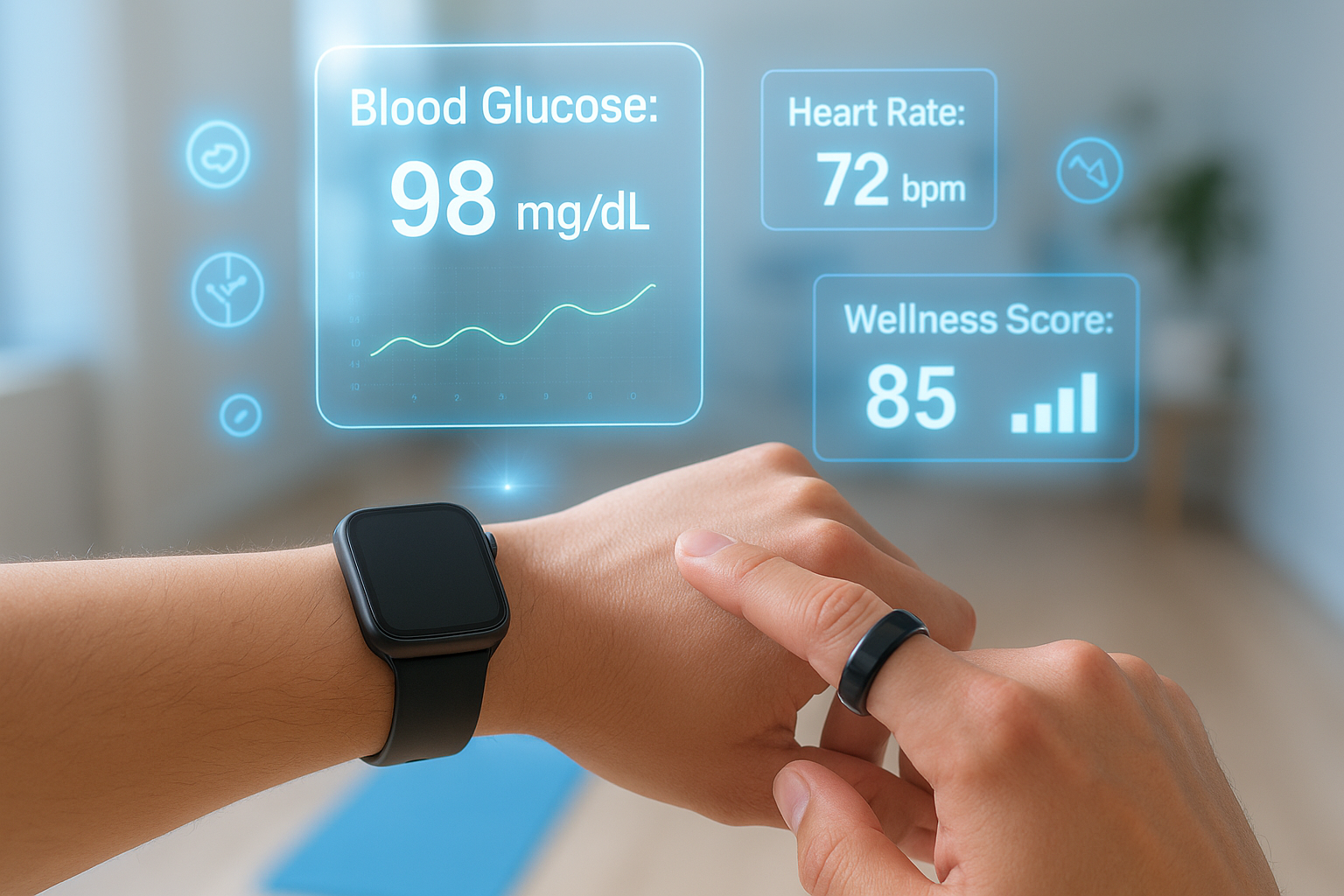
- Continuous Glucose Monitors (CGMs) – Small sensors used by diabetic patients to track blood sugar levels in real time without repeated finger pricks.
- RFID microchips – Tiny chips implanted in the hand that can unlock doors, log into computers, or even make contactless payments.
Each of these examples shows that the boundary between the human body and technology is already shifting in meaningful ways.
Why Interest in Implantable Tech Is Growing
Implantable wearables address limitations that external devices simply cannot overcome. Here is why researchers, doctors, and tech enthusiasts are paying close attention:
- Non-stop health tracking – Since the device cannot be removed or forgotten, data collection is continuous and uninterrupted.
- Higher accuracy – Sensors placed inside the body can measure biological signals more precisely than those resting on the skin surface.
- Hands-free convenience – Tasks like unlocking doors, verifying identity, or accessing devices can happen without carrying keys, cards, or phones.
- Human augmentation potential – Tech enthusiasts and biohackers see implantables as a way to extend human capabilities beyond natural limits.
The appeal is clear: technology that blends into the body becomes truly invisible and always available.
Serious Concerns That Cannot Be Ignored
Despite the promise, placing technology inside the human body raises significant questions that need honest answers before widespread adoption becomes possible.
| Concern | Why It Matters |
|---|---|
| Device security | A malfunctioning or hacked implant could directly harm the user’s body or health. |
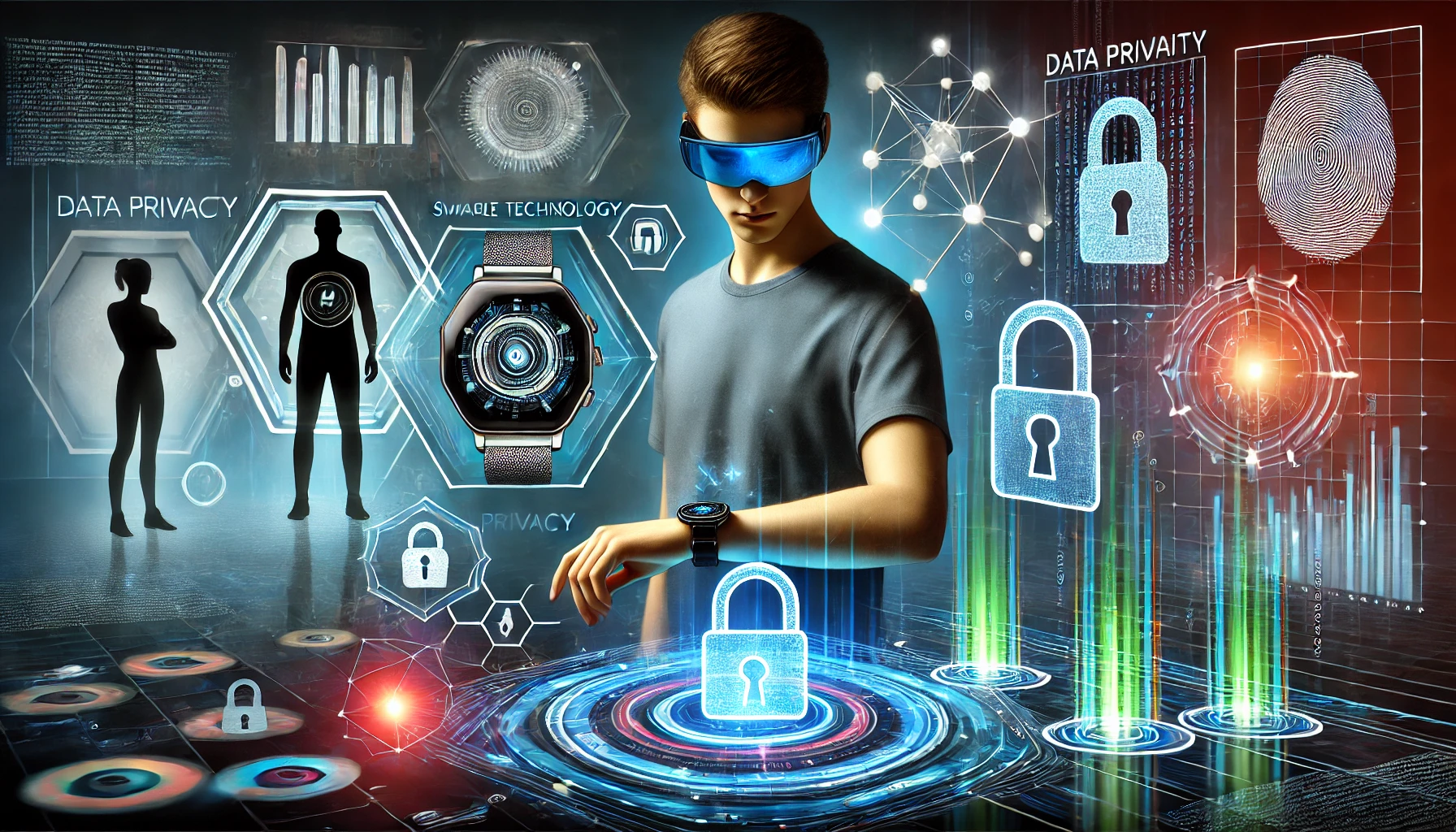
| Data privacy | Health data collected inside the body is deeply personal — who owns it and who can access it? |
| Cybersecurity risks | If a phone can be hacked, an implanted device could potentially be targeted too. |
| Ethical boundaries | Questions around consent, employer pressure, and social inequality need clear regulation. |
| Long-term health impact | The effects of keeping electronic devices inside the body for years are still being studied. |
Until strong regulations, better security standards, and long-term safety data are in place, most people will rightly approach this technology with caution.
What This Means for Healthcare and Technology Industries
For medical professionals, software developers, and technology companies, implantable wearables open up a wide range of possibilities:
- Early disease detection – Continuous internal monitoring could identify warning signs of illness before visible symptoms appear.
- Personalized medicine – Real-time biological data can help doctors tailor treatments specifically to each patient’s needs.
- Improved human-machine interaction – Controlling smart devices or accessing secure systems through simple body movements could become standard.
- New healthcare business models – Companies building implantable health sensors, data platforms, and biocompatible materials are entering a growing market.
The impact could extend well beyond healthcare into security systems, workplace productivity, and how humans interact with the digital world around them.
We are at an early but important stage. Implantable wearables are already in use in medical settings, and interest from the consumer technology sector is rising steadily. As devices become smaller, safer, and more reliable, more people may choose to adopt them — especially when the health benefits or convenience gains are clear and significant. However, progress must be matched by responsible regulation, strong data protection laws, and respect for individual choice. The technology itself is not the only challenge — building public trust is equally important.
Frequently Asked Questions
Implantable wearables are small electronic devices placed under the skin that can monitor health data, store information, or perform specific tasks. They work continuously inside the body without needing to be removed or charged, providing more accurate and uninterrupted data than external devices.
Medically approved implantable devices like pacemakers and cochlear implants have strong safety records. However, newer consumer-focused implants are still being studied for long-term health effects. Cybersecurity, data privacy, and biocompatibility remain active areas of concern that researchers and regulators are working to address.
Several implantable devices are already widely used. These include pacemakers for heart regulation, cochlear implants for hearing loss, continuous glucose monitors for diabetes management, and RFID microchips implanted in the hand for contactless access and payments.