As climate change intensifies, the way we design and build our cities, roads, and power systems must change too. Carbon-neutral infrastructure is no longer a distant idea — it is becoming a real priority for governments, urban planners, and construction companies across the world. From solar-powered cities in the UAE to green public buildings in Norway, the shift toward low-carbon construction is already underway.
What Is Carbon-Neutral Infrastructure?
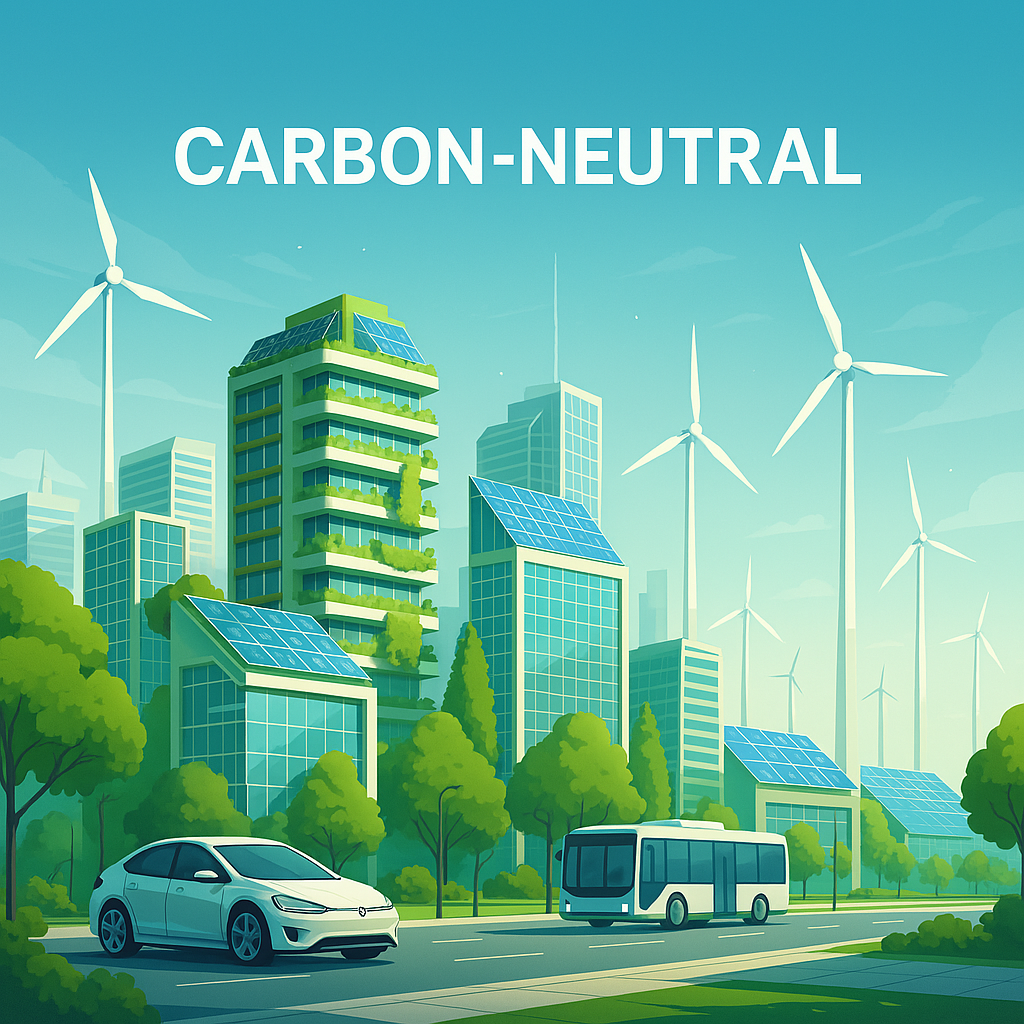
Carbon-neutral infrastructure refers to buildings, transport networks, energy systems, and public facilities that do not add net carbon dioxide to the atmosphere. The goal is to either eliminate carbon emissions entirely during construction and operation, or offset whatever emissions remain.
This is achieved through several key approaches:
- Using renewable energy sources such as solar panels, wind turbines, and geothermal systems instead of coal or gas
- Designing buildings and systems that consume significantly less energy
- Choosing low-carbon or recycled construction materials to reduce emissions during the building phase
- Offsetting unavoidable emissions through tree planting, carbon credits, or other verified carbon removal methods
Why Carbon-Neutral Infrastructure Matters
The construction and operation of buildings and infrastructure accounts for a significant share of global carbon emissions. Shifting to greener systems has wide-ranging benefits:
- Environmental protection: Fewer pollutants mean slower climate change, cleaner air, and better protection for natural ecosystems.
- Smarter, more resilient cities: Green urban design helps cities handle extreme weather events, reduces energy costs for residents, and improves overall air quality.
- Meeting global climate targets: Many countries and corporations have committed to achieving net-zero carbon emissions. Sustainable infrastructure is central to fulfilling those pledges under agreements like the Paris Climate Accord.
Key Components of Green Infrastructure
Building carbon-neutral infrastructure involves combining multiple technologies and design principles. Here are the most important elements:
- Energy-Efficient Buildings: Better insulation, smart lighting systems, and advanced heating and cooling technology can dramatically cut a building’s energy use.
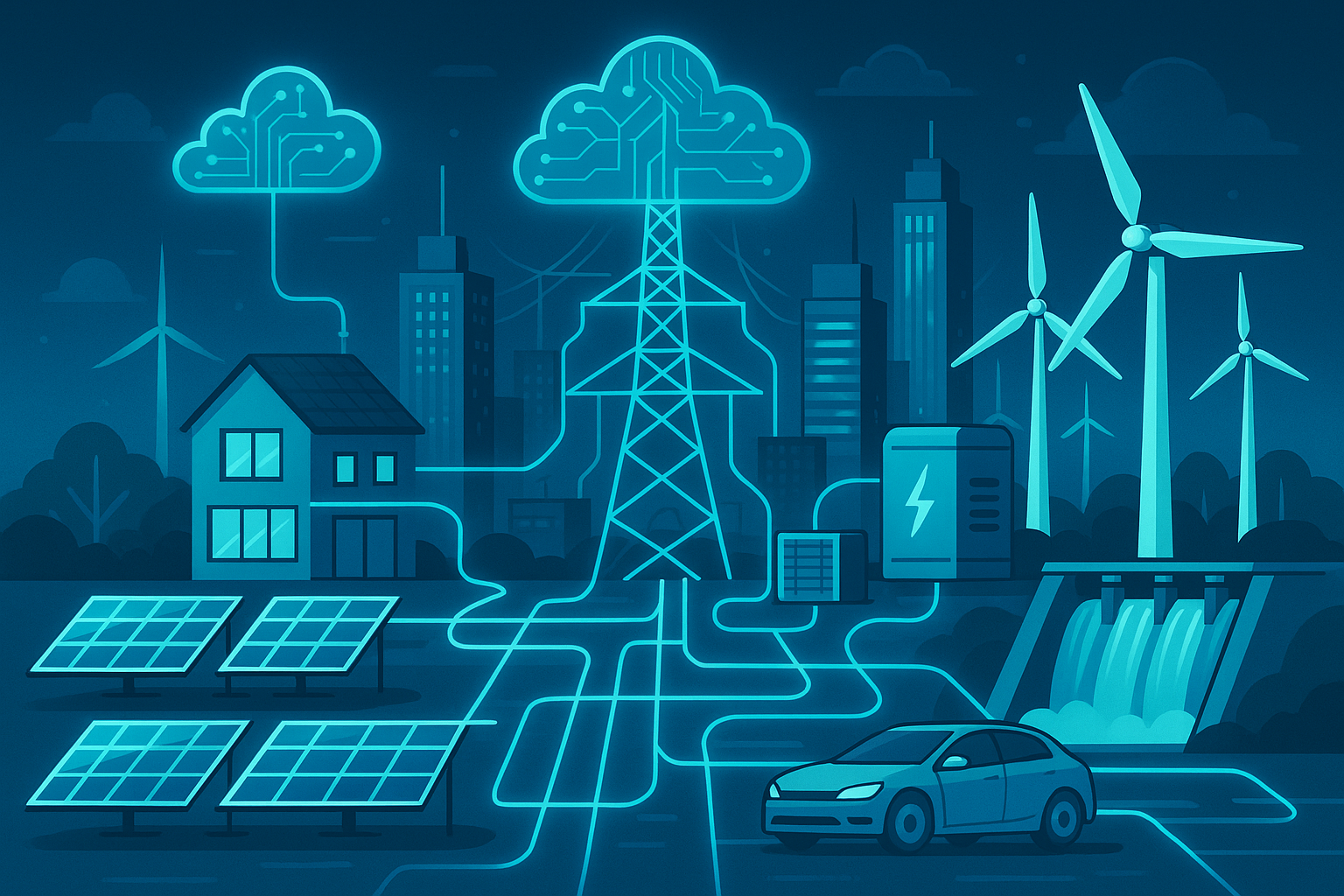
- Clean Power Sources: Solar panels on rooftops, wind farms, and geothermal heating replace fossil fuel-based energy supplies.
- Sustainable Materials: Construction teams are increasingly choosing recycled steel, low-carbon concrete, and sustainably sourced timber for new projects.
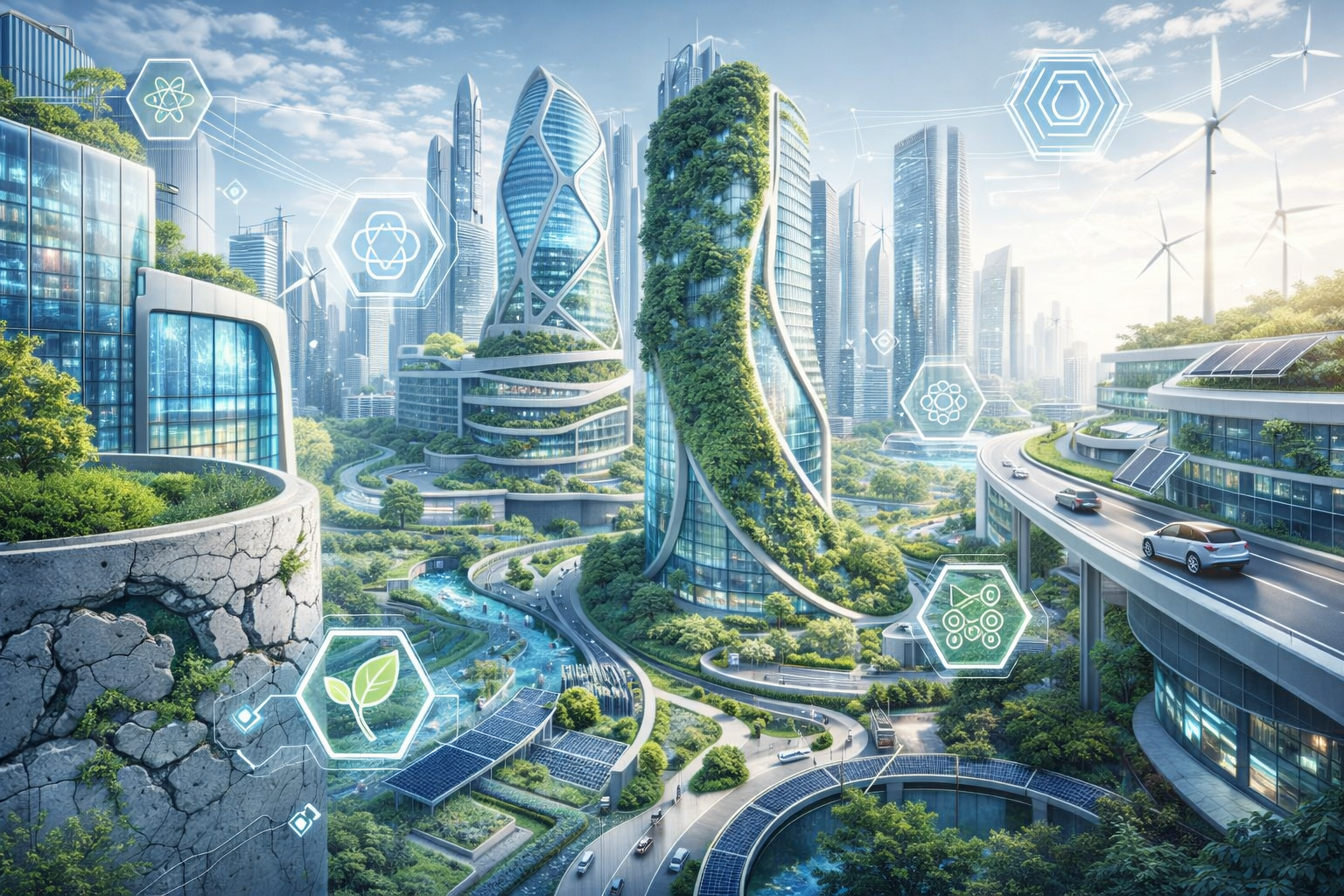
- Smart City Planning: Urban designers are creating cities with more green spaces, walkable streets, and efficient public transport networks to reduce dependence on private vehicles and lower overall emissions.
| Component | Example | Benefit |
|---|---|---|
| Energy-Efficient Buildings | Smart insulation, LED lighting | Lower energy bills, reduced emissions |
| Renewable Energy | Solar panels, wind turbines | Replaces fossil fuels |
| Sustainable Materials | Recycled steel, low-carbon concrete | Cuts construction-phase emissions |
| Smart City Planning | Public transport, green spaces | Reduces vehicle use and pollution |
Real-World Examples Leading the Way
Several cities and regions are already demonstrating what carbon-neutral infrastructure looks like in practice:
- Masdar City, UAE: One of the world’s most ambitious sustainable urban projects, Masdar City is designed to run entirely on renewable energy with zero carbon emissions and zero waste.
- Oslo, Norway: The Norwegian capital has set a target to construct all new public buildings using green materials and low-carbon methods by 2030, making it one of Europe’s most progressive cities on this front.
- Singapore: Known for blending nature with technology, Singapore has introduced rooftop gardens, vertical greenery, and smart energy management systems across its urban landscape.
Challenges Slowing the Transition
Despite the clear benefits, shifting to carbon-neutral infrastructure comes with real obstacles:
- High upfront costs: Green technologies and sustainable materials often cost more initially, making it harder for smaller cities or developing nations to adopt them quickly.
- Policy and regulatory gaps: Many regions still lack clear government guidelines, incentives, or enforcement mechanisms to push developers toward greener choices.
- Limited public awareness: Many communities are not yet fully informed about the long-term savings and health benefits that green infrastructure delivers, which slows public and political support.
As technology advances and production scales up, the cost of green building materials and renewable energy systems is expected to fall. With stronger policy frameworks, increased investment, and growing public awareness, more cities around the world can realistically reduce their carbon footprint and build healthier, more sustainable environments for future generations. The transition to carbon-neutral infrastructure is not just about protecting the planet — it is about creating better places to live, work, and grow.
Frequently Asked Questions
Carbon-neutral infrastructure refers to buildings, roads, and energy systems that produce no net carbon dioxide emissions. This is achieved by using renewable energy, energy-efficient designs, sustainable materials, and carbon offset methods like tree planting or carbon credits.
Masdar City in the UAE runs entirely on renewable energy, Oslo in Norway aims to build all public structures with green materials by 2030, and Singapore integrates rooftop gardens and smart energy systems across its urban environment.
The main challenges include high upfront costs for green technologies and materials, a lack of clear government policies and incentives in many regions, and limited public awareness about the long-term benefits of sustainable construction.