Smart shoes are no longer a concept from science fiction. They are real, available, and quietly changing how athletes, fitness enthusiasts, and everyday walkers understand their bodies. By embedding sensors directly into footwear, these shoes collect data on movement, posture, and health — all in real time.
What Are Smart Shoes?
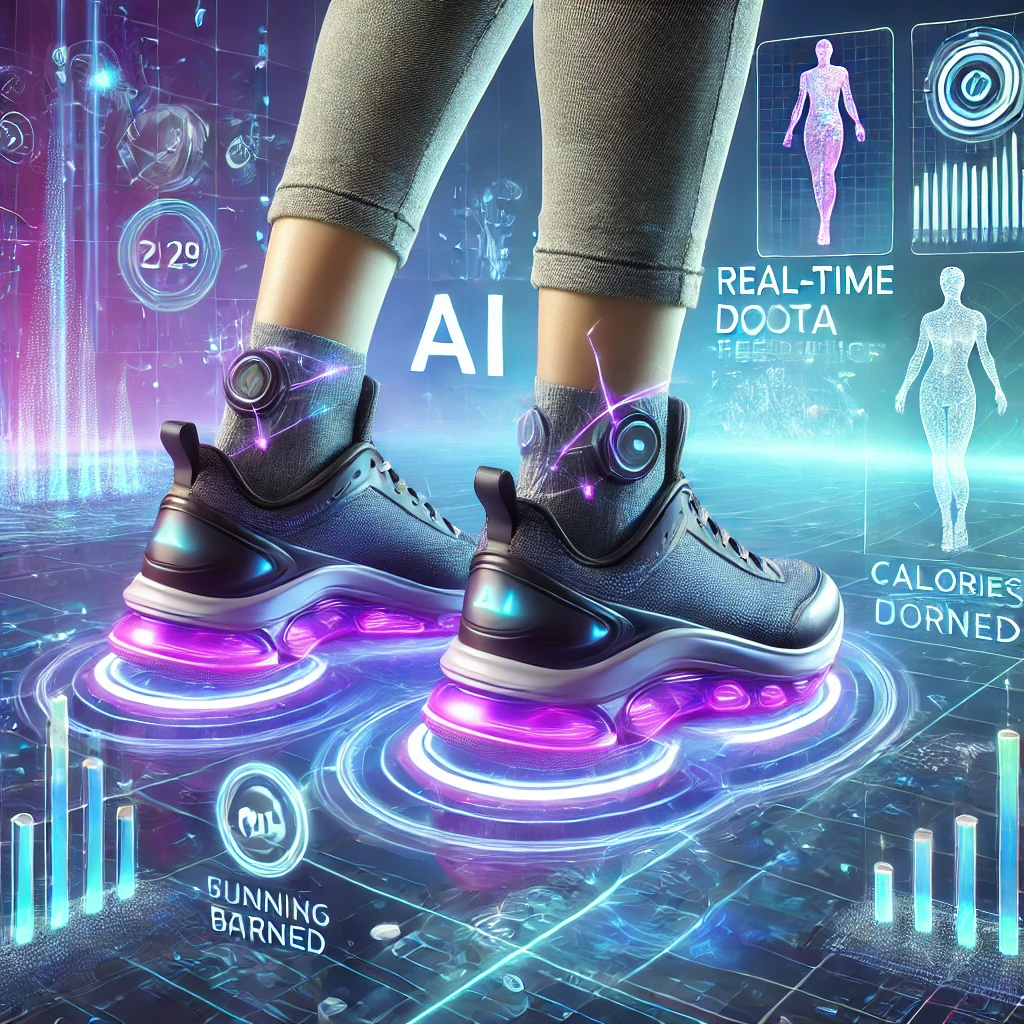
Smart shoes look like regular footwear from the outside, but they carry a range of sensors inside. These sensors monitor physical activity as you walk, run, or stand. The data collected is sent wirelessly to a smartphone app or a connected wearable device, where you can review detailed reports on your movement patterns, foot strike, pace, and more.
Unlike a standard fitness band worn on the wrist, smart shoes track movement from the ground up — giving a more accurate picture of how your body actually moves during physical activity.
How Do Smart Shoes Work?
The technology inside smart shoes typically includes pressure sensors, accelerometers, and gyroscopes. Together, these components measure:
- Step count and distance covered during a walk or run
- Pace and cadence to help improve running efficiency
- Foot strike pattern — whether you land on your heel, midfoot, or forefoot
- Posture alignment to flag poor form before it causes injury
All this data syncs with a companion app on your phone. Some models also monitor heart rate and calorie burn, functioning like a full-body fitness tracker built into your footwear.
Key Benefits of Smart Footwear
Smart shoes offer practical advantages for a wide range of users — from professional athletes to people recovering from injuries.
- Better athletic performance: By analysing stride length, foot position, and speed, smart shoes help athletes make small but meaningful adjustments to their technique. Whether you are training for a marathon or improving your court game, real-time feedback can make a measurable difference.
- Injury prevention: Poor gait and incorrect posture are leading causes of joint and muscle injuries. Smart shoes detect these issues early and alert the wearer, allowing corrections before damage occurs.
- Health and fitness tracking: Beyond sports, smart shoes work as a daily health monitor — counting steps, estimating calories burned, and tracking activity levels over time. This makes them useful for anyone trying to maintain a healthier lifestyle.
- Improved comfort: Some models include adaptive insoles, arch support, and cushioning systems that adjust to the shape of your foot, reducing fatigue during long walks or runs.
Where Smart Footwear Is Being Used
Smart shoes are finding practical applications across several areas:
- Sports and fitness training: Athletes use them to monitor training loads, track performance metrics, and avoid overtraining. Runners, in particular, benefit from gait analysis features.
- Injury rehabilitation: During recovery, smart shoes help patients move correctly and avoid putting excess strain on healing joints or muscles. They can guide safe movement patterns during physiotherapy.
- Posture monitoring: For people who spend long hours on their feet — whether at work or during exercise — smart shoes provide alerts when posture deteriorates, helping prevent chronic pain.
Leading Smart Shoe Brands to Know
Several companies have already launched notable smart footwear products:
| Brand | Key Feature | Best For |
|---|---|---|
| Nike Adapt BB | Self-lacing technology that adjusts fit during play | Basketball players |
| Digitsole | Built-in heating elements, step counting, calorie tracking | Cold-weather users and fitness trackers |
| StrideSense | Smart insoles with gait analysis and posture feedback | Runners and posture-conscious users |
What the Future Holds for Smart Footwear
The next generation of smart shoes is expected to bring even more advanced capabilities:
- AI-powered movement analysis: Future smart shoes may use artificial intelligence to study walking and running patterns over time, predicting injury risks before they become a problem.
- Wireless charging: Removing the need for cables will make smart shoes far more convenient for daily use, encouraging wider adoption.
- Environmental sensors: Upcoming models may include sensors that detect air quality, temperature, and humidity — useful for outdoor athletes and frequent travellers who need to adapt to changing conditions.
Smart footwear is still a growing category, but its potential to support health, performance, and injury prevention is already clear. As the technology matures and prices become more accessible, smart shoes are likely to become as common as fitness trackers and smartwatches in everyday life.
Frequently Asked Questions
Smart shoes use built-in sensors to track step count, distance, pace, foot strike pattern, posture, and in some models, heart rate and calories burned. This data is sent to a companion smartphone app for detailed analysis.
Yes. Smart shoes are helpful for anyone who wants to monitor their daily activity, improve posture, or recover from an injury. They work as a wearable health tracker for everyday use, not just for sports.
Some of the leading smart footwear brands include Nike with its Adapt BB self-lacing shoes, Digitsole which offers heated shoes with fitness tracking, and StrideSense which specialises in smart insoles for gait analysis and posture feedback.