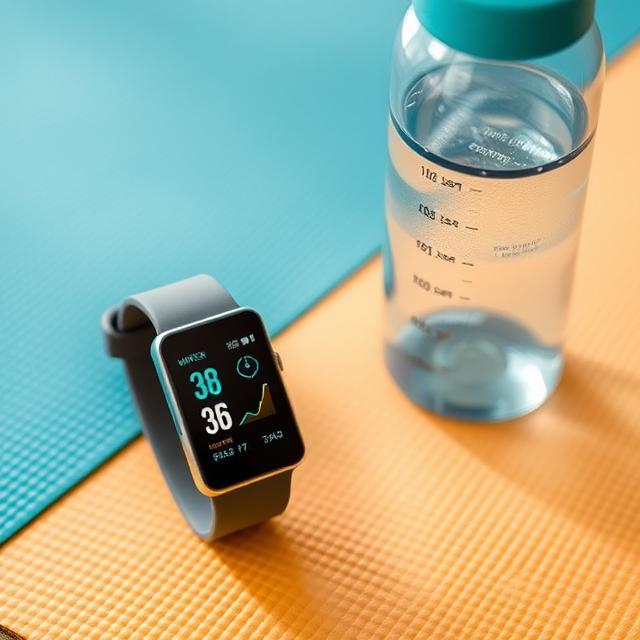
Staying properly hydrated is one of the simplest things you can do for your health, yet most people fall short of their daily water intake. Hydration wearables are changing that by tracking your body’s water needs in real time and reminding you to drink before dehydration sets in. From smart patches to fitness bands, these devices are making it easier than ever to build better hydration habits.
What Are Hydration Wearables?
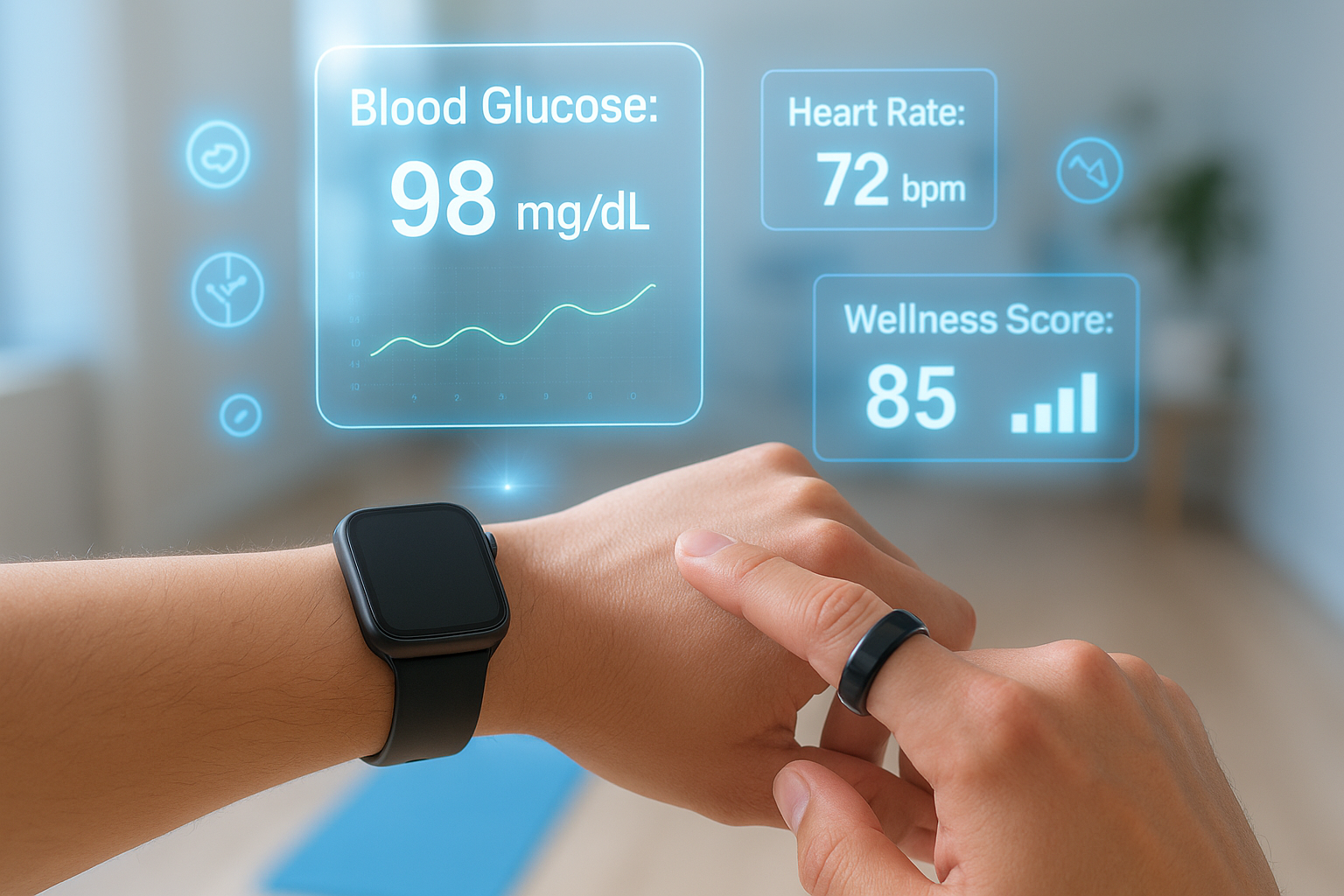
Hydration wearables are smart devices designed to monitor your body’s fluid levels throughout the day. They use built-in sensors to measure factors like physical activity, sweat rate, ambient temperature, and body weight to estimate how much water you need at any given time.
Most of these devices sync with a smartphone app, where you can set personal hydration goals, view your daily water intake history, and receive alerts when it’s time to drink. Unlike manually counting glasses of water, these gadgets do the tracking for you automatically.
Key Features That Make Hydration Wearables Useful
- Real-Time Reminders: The device sends you a gentle nudge when you haven’t had water in a while, so you never forget to drink during a busy day.
- Personalized Hydration Goals: Based on your age, weight, activity level, and even climate, the device calculates a daily water target that fits your specific body.
- Historical Data Tracking: You can review your hydration patterns over days or weeks, helping you spot trends and make adjustments to your routine.
- App Integration: Most wearables connect to health apps on your phone, making it easy to combine hydration data with sleep, fitness, and nutrition tracking.
Why Using a Hydration Tracker Can Benefit Your Health
Dehydration, even mild dehydration, can cause fatigue, headaches, poor concentration, and digestive issues. Keeping your fluid levels balanced supports energy, skin health, kidney function, and overall body performance.
Here is a quick look at the key benefits hydration wearables offer:
| Benefit | How It Helps |
|---|---|
| Better Energy Levels | Proper hydration reduces fatigue and keeps you alert |
| Improved Skin Health | Adequate water intake supports a clearer, healthier complexion |
| Digestive Support | Water aids digestion and prevents constipation |
| Custom Water Goals | Targets are tailored to your body and lifestyle |
| Effortless Tracking | No need to manually count glasses throughout the day |
Popular Hydration Wearables Worth Considering
Several devices are already available that cater to different needs and budgets. Here are three notable options:
- HydraCoach: A straightforward hydration tracker that monitors your daily water consumption and sends alerts to your smartphone when you need to drink. It is a reliable entry-level option for those new to hydration tracking.
- Mio Fuse: This fitness band tracks both exercise performance and hydration levels, making it a good choice for active users who want a combined health monitoring solution.
- Nutriband Smart Patch: A unique wearable patch that analyses your sweat to measure hydration levels directly and sends the data to your phone. It offers a more detailed and science-backed look at your body’s fluid status.
Challenges and Limitations to Keep in Mind
Hydration wearables are helpful tools, but they are not without drawbacks. Understanding their limitations helps you use them more effectively.
- Accuracy Concerns: These devices estimate hydration levels based on indirect measurements. They are not medical-grade instruments, so it is important to also listen to your body’s natural thirst signals.
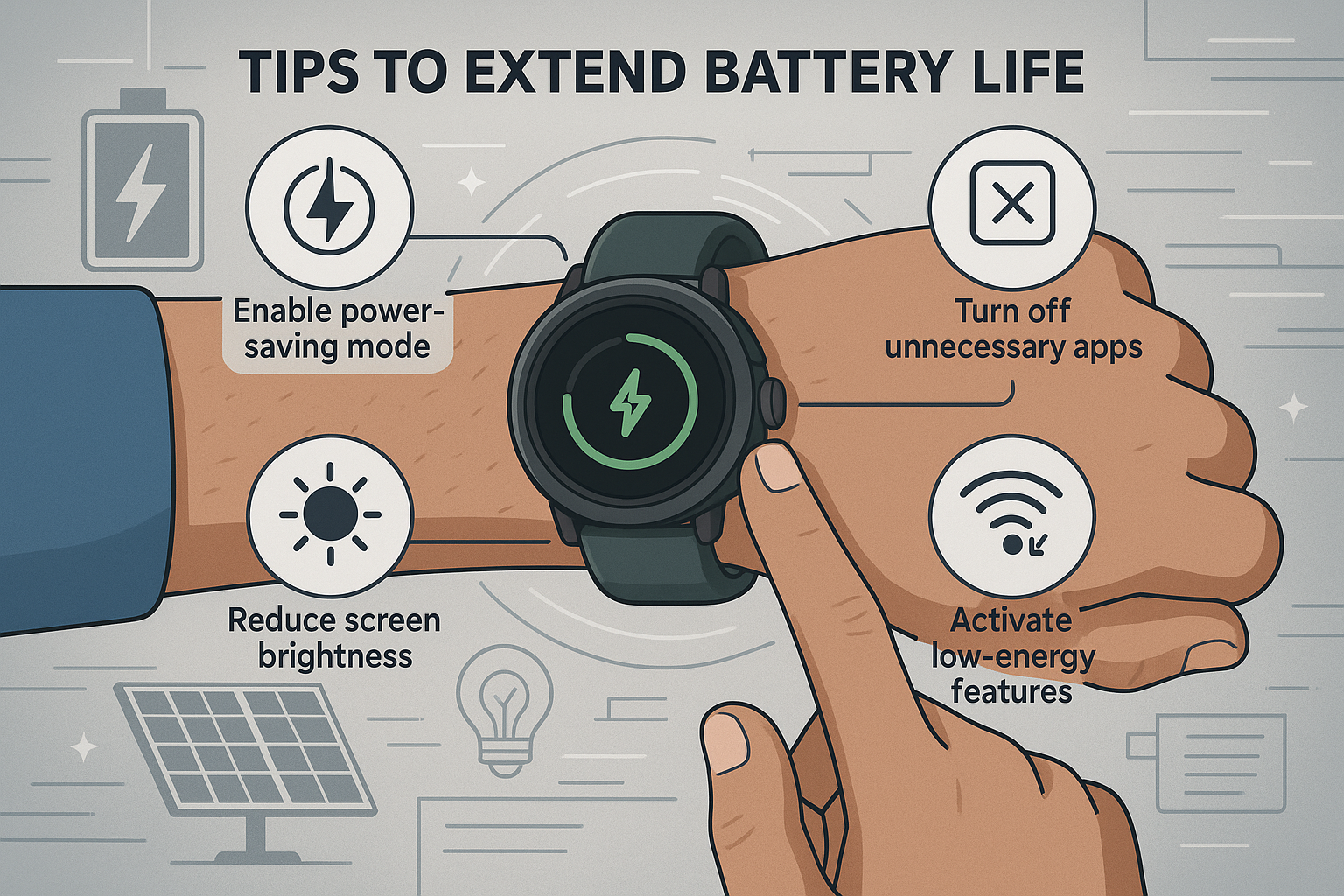
- Battery Life: Some wearables require frequent charging, which can interrupt continuous monitoring. Always check battery performance before purchasing.
- Comfort and Wearability: Wearing a device or patch all day, including during sleep, may not suit everyone. Some users find long-term wear uncomfortable, especially in warmer climates like India.
- Cost: Advanced hydration wearables can be expensive. Weigh the features against your budget before making a decision.
What the Future Holds for Hydration Wearables
The hydration wearable space is advancing quickly. Future devices are expected to offer more accurate biosensing technology, longer battery life, and deeper integration with other health monitoring tools. There is also growing interest in combining hydration tracking with nutrition and electrolyte monitoring for a more complete picture of body health.
As these devices become more affordable and accurate, they are likely to become a standard part of everyday wellness routines, much like step counters and heart rate monitors are today.
Whether you are an athlete, a busy professional, or simply someone who wants to take better care of their health, a hydration wearable can be a practical and motivating addition to your daily routine. The key is choosing a device that fits your lifestyle and using it consistently alongside healthy habits.
Frequently Asked Questions
Hydration wearables use sensors to track factors like sweat rate, physical activity, body weight, and ambient temperature. They use this data to estimate how much water your body needs and compare it against your actual intake, often logged through a connected smartphone app.
Hydration wearables provide useful estimates but are not medical-grade devices. They make calculations based on indirect measurements, so readings may not be perfectly precise. It is best to use them as a guide alongside paying attention to your body's natural thirst signals.
The best hydration wearable depends on your needs. HydraCoach is a simple and affordable option for beginners. Mio Fuse suits active users who also want fitness tracking. Nutriband Smart Patch is ideal for those who want detailed sweat-based hydration analysis.