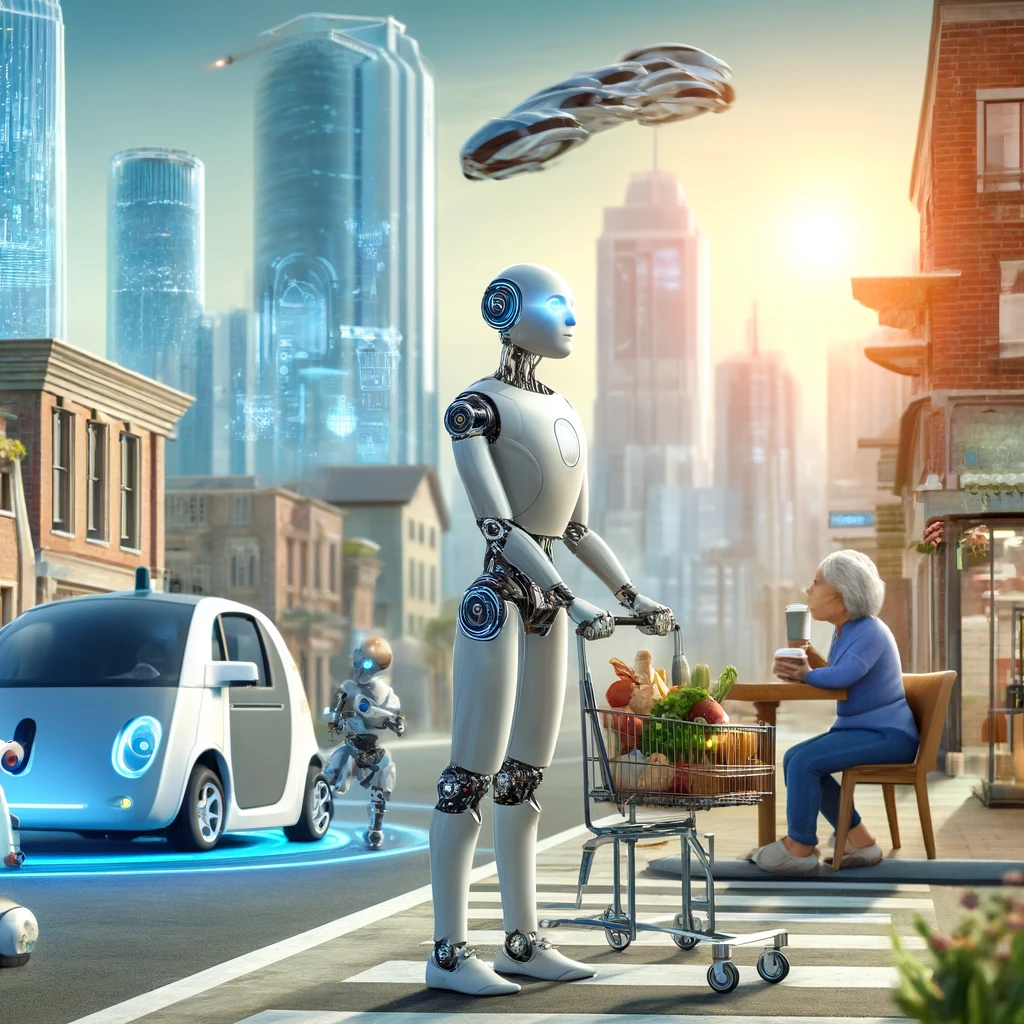
Robots are no longer confined to science fiction films or factory floors. Today, they are quietly becoming part of our daily routines — cleaning our homes, assisting doctors, supporting elderly parents, and even helping in school classrooms. Here is a closer look at how robotics is reshaping the way we live, work, and care for one another.
Robot Vacuum Cleaners Are Redefining Home Cleaning
One of the most visible examples of robotics in everyday life is the robot vacuum cleaner. Devices like the Roomba and similar smart cleaners navigate around furniture, detect dirt, and keep floors spotless — all without human intervention.
These machines use sensors and mapping technology to learn the layout of a home. You can schedule them to clean while you are at work or simply press a button and let them do the job. For busy households, this means less time spent on chores and more time for things that matter.
- Automatically detects and avoids obstacles
- Can be controlled via smartphone apps
- Works on multiple floor types including tiles and carpets
- Some models also mop floors after vacuuming
Robots in Healthcare Are Saving Lives and Reducing Errors
Inside hospitals and medical centres, robotic technology is playing a critical role in improving patient outcomes. Robotic surgical systems allow doctors to perform complex procedures with greater precision, resulting in smaller incisions, less blood loss, and faster recovery times for patients.
Beyond the operating room, robots are also being used to transport medicines, lab samples, and medical supplies within hospital corridors. This reduces the chance of human error and ensures that patients receive the right treatment at the right time.
Healthcare robots are also being deployed for patient monitoring, helping nurses track vital signs and flag emergencies quickly. This allows medical staff to focus their attention where it is needed most.
Teaching Robots Are Making STEM Education More Engaging
In classrooms across the world, interactive teaching robots are helping students develop a genuine interest in Science, Technology, Engineering, and Mathematics — commonly known as STEM subjects.
These robots guide students through coding exercises, assist with mathematical problem-solving, and conduct simple science experiments in a hands-on way. Rather than learning from textbooks alone, students get to interact directly with technology, which builds critical thinking and practical skills from an early age.
Schools that have introduced educational robots report higher student engagement and better retention of complex concepts. For a generation growing up in a technology-driven world, this kind of learning experience is increasingly valuable.
Robotic Assistants Are Helping Seniors Stay Independent
For older adults who wish to live independently, robotic assistants are proving to be reliable companions. These smart devices can remind seniors to take their medications on time, assist with mobility, and detect falls or medical emergencies.
Some robotic companions are also designed to provide social interaction, reducing feelings of loneliness among elderly individuals who live alone. Families benefit too — knowing that a robotic assistant is monitoring their loved one’s well-being gives them greater peace of mind.
| Area of Use | How Robots Help | Key Benefit |
|---|---|---|
| Home Cleaning | Automated vacuuming and mopping | Saves time and effort |
| Healthcare | Surgical assistance and medicine delivery | Reduces errors, faster recovery |
| Education | Interactive STEM teaching | Better engagement and learning |
| Senior Care | Medication reminders and fall detection | Supports independent living |
| Kitchen | Chopping, stirring, and recipe assistance | Simplifies meal preparation |
Kitchen Robots Are Changing the Way We Cook
Smart kitchen robots are taking meal preparation to a new level. These devices can handle repetitive tasks like chopping vegetables, stirring sauces, and following step-by-step recipes with consistent accuracy.
For people with busy schedules, kitchen robots reduce the time and effort needed to prepare healthy home-cooked meals. Whether you are an experienced cook or someone who struggles in the kitchen, these tools make the process simpler and more enjoyable.
Some advanced kitchen robots can even suggest recipes based on the ingredients available at home, helping reduce food waste while keeping meals varied and nutritious.
Robotics is steadily becoming a practical part of everyday life rather than a distant technological concept. From keeping homes clean to supporting elderly care and improving surgical precision, robots are delivering real benefits to real people. As this technology continues to develop and become more affordable, its presence in our homes, schools, and hospitals is only set to grow.
Frequently Asked Questions
Robots are used in homes primarily for cleaning tasks. Robot vacuum cleaners like the Roomba automatically navigate rooms, detect dirt, and clean floors without human help. Some models also mop floors and can be controlled through smartphone apps.
In healthcare, robots assist surgeons in performing precise operations, which leads to smaller incisions and faster patient recovery. Robots are also used to transport medicines and supplies within hospitals, reducing human error and improving efficiency.
Yes. Robotic assistants designed for senior care can remind older adults to take their medications, help with mobility, detect falls, and even provide social interaction. These features allow seniors to live more independently while giving their families greater peace of mind.