Service robots are no longer a futuristic concept — they are already working in stores across the world. From guiding shoppers to managing warehouse inventory, retail automation is changing how businesses operate and how customers shop. As technology advances, these robots are becoming smarter, more affordable, and more capable of handling complex tasks.
What Are Service Robots in Retail?
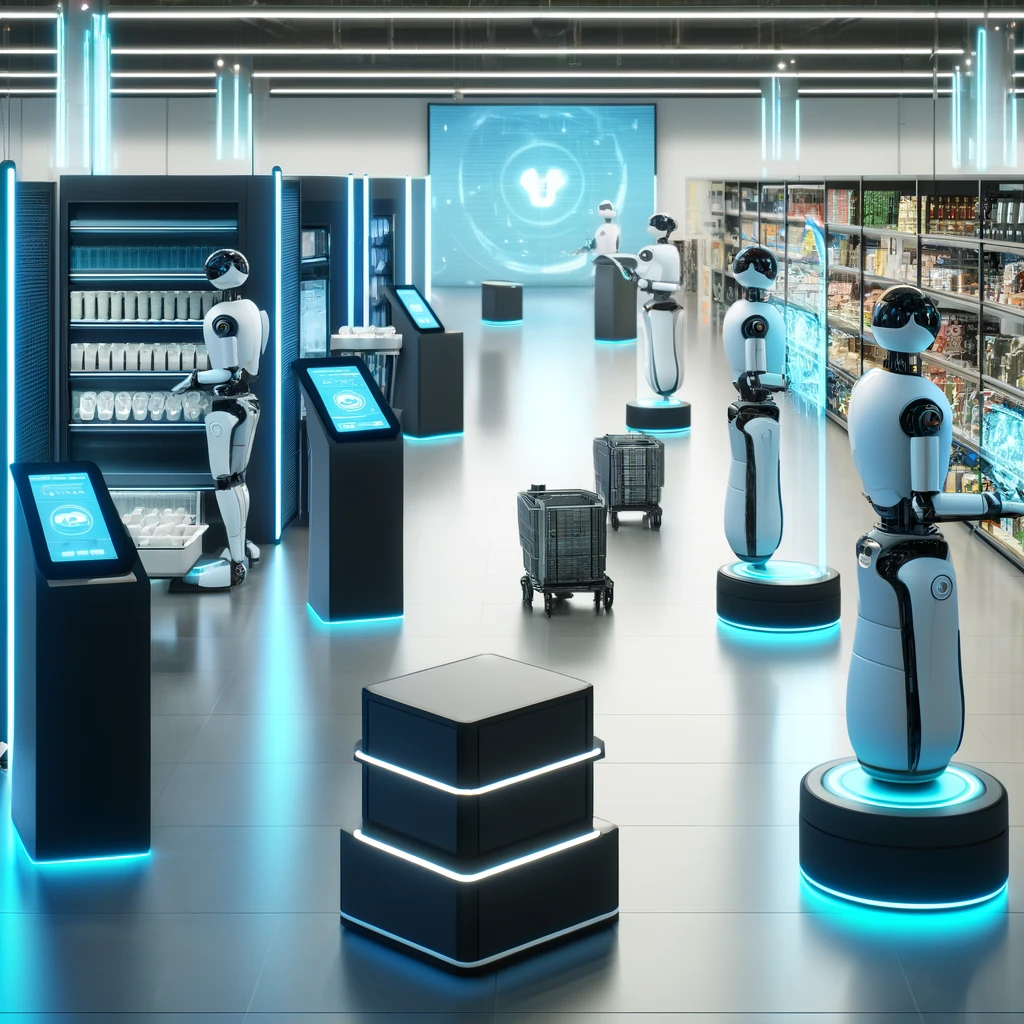
Service robots are intelligent machines designed to assist customers and perform a wide range of tasks inside retail environments. These machines can direct shoppers to products, answer basic questions, monitor stock levels, and even process payments at self-checkout counters.
Retailers adopt these robots for two main reasons: to improve the shopping experience and to reduce operational costs. Unlike human staff, robots can work around the clock without breaks, making them a reliable option for repetitive and time-sensitive tasks.
Key Ways Robots Are Being Used in Stores
Retail robots serve several important functions that directly impact both store efficiency and customer satisfaction:
- Customer Assistance: Mobile robots roam store aisles, helping shoppers locate products, highlighting ongoing deals, and answering common questions quickly and accurately.
- Inventory Management: Robots equipped with advanced scanners monitor shelf stock in real time, flag missing or low-stock items, and help prevent supply gaps before they affect customers.
- Checkout Support: Automated self-checkout systems allow customers to scan and pay for items independently, reducing wait times and lowering the need for cashier staff.
- Warehouse Operations: Large retail chains use warehouse robots to move goods, sort packages, and organize inventory — tasks that previously required significant human labour.
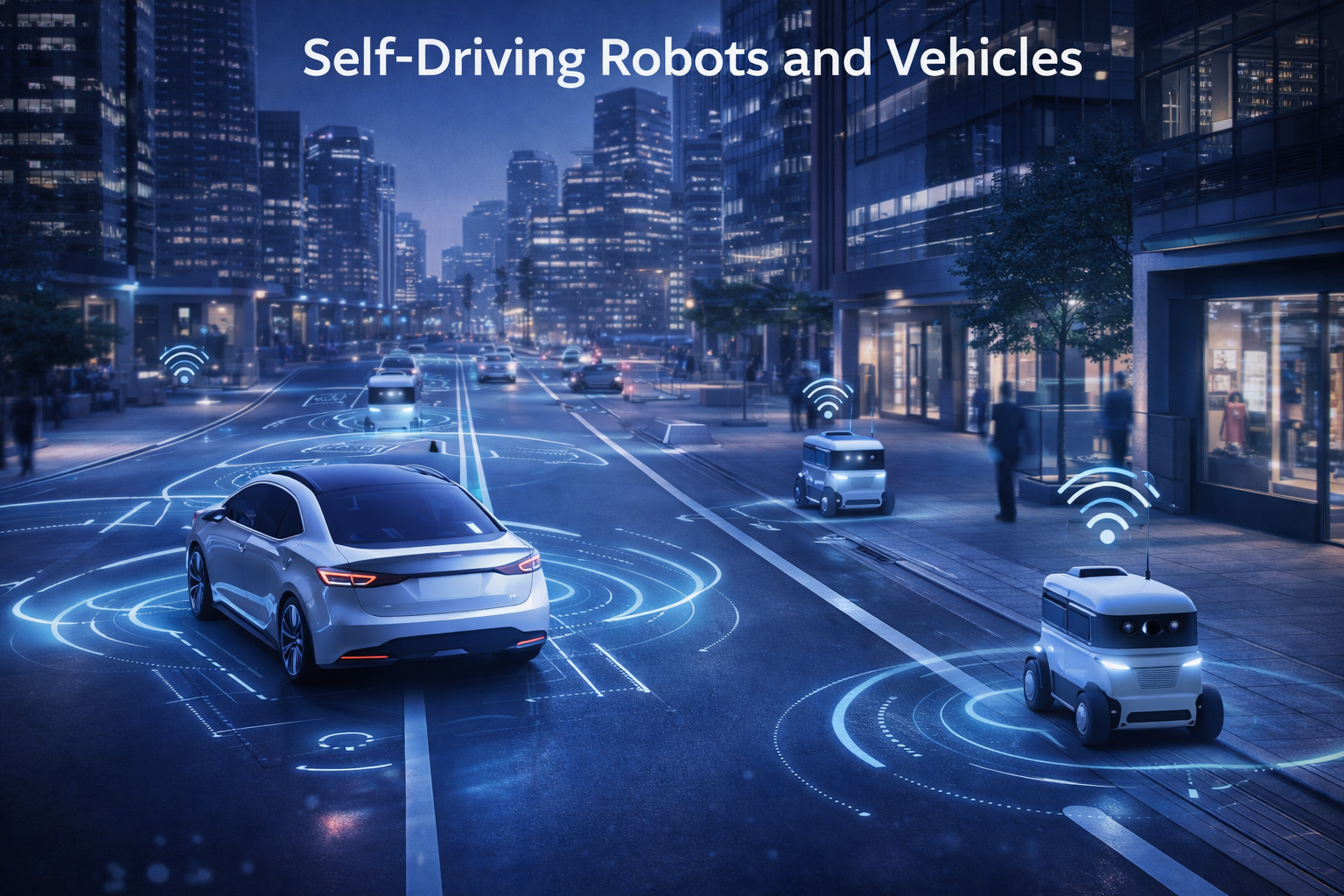
- Store Cleaning: Self-driving cleaning robots maintain store hygiene without additional cleaning staff, saving both time and money.
Impact on Customer Experience and Store Operations
One of the biggest advantages of service robots is the improvement they bring to the overall shopping experience. Robotic shopping assistants reduce the time customers spend searching for products and provide consistent, accurate information without the variability that can come with human staff.
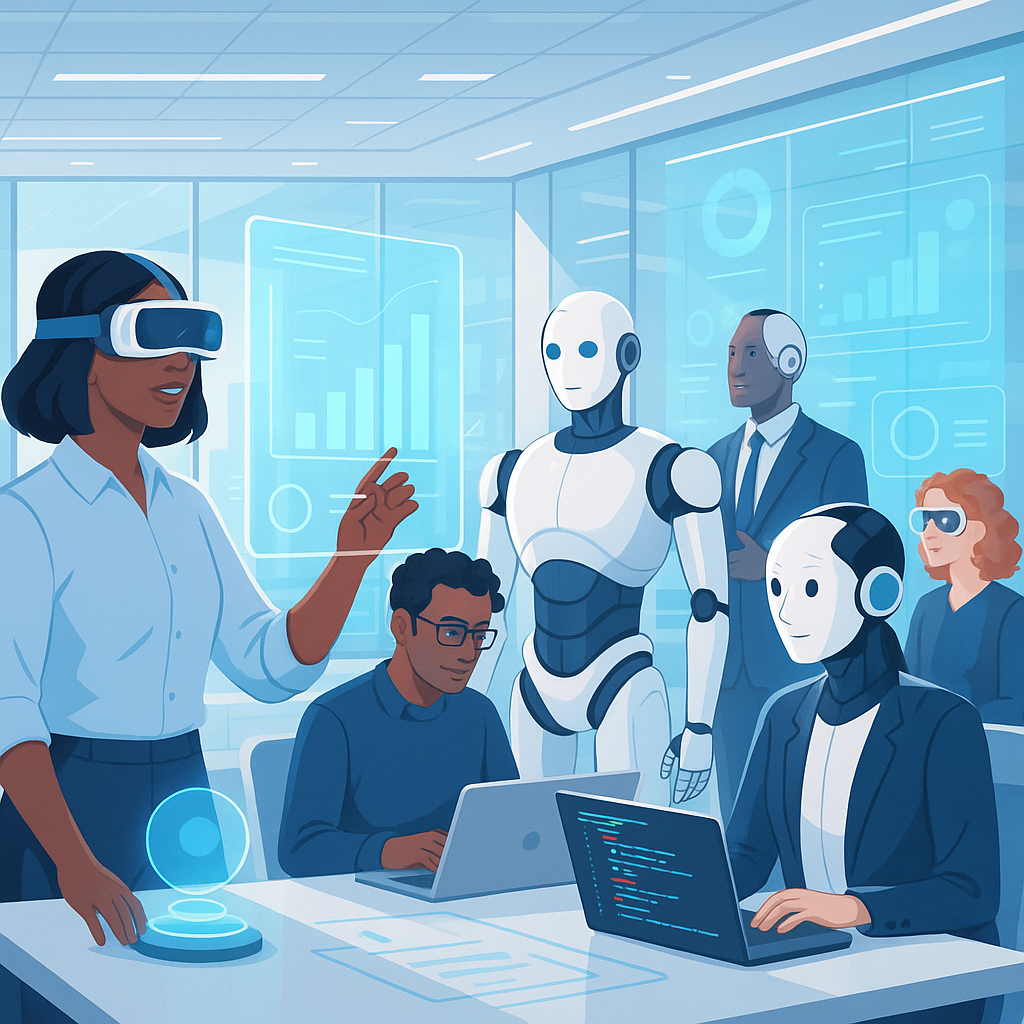
At the same time, robots free up human employees from routine tasks like shelf stocking and floor cleaning. This allows staff to focus on more meaningful work — such as handling complex customer queries, managing relationships, and solving problems that require human judgment.
Here is a quick comparison of robot-assisted versus traditional retail operations:
| Function | Traditional Retail | Robot-Assisted Retail |
|---|---|---|
| Inventory Tracking | Manual checks, prone to errors | Real-time automated monitoring |
| Customer Guidance | Depends on staff availability | Available anytime via mobile robots |
| Checkout Speed | Longer queues at cashier counters | Faster via self-checkout systems |
| Store Cleaning | Requires dedicated cleaning staff | Handled by autonomous cleaning robots |
Challenges Retailers Face When Adopting Robots
Despite the clear benefits, introducing service robots into retail is not without its difficulties. Retailers — especially smaller businesses — face real barriers when considering automation:
- High Initial Costs: Purchasing, installing, and maintaining robots requires significant upfront investment. For small and mid-sized retailers, this can be a major obstacle.
- Staff Training: Employees need proper training to work alongside robots, troubleshoot technical issues, and manage automated systems effectively.
- Technical Limitations: Robots can struggle in unpredictable environments, such as crowded stores or situations requiring nuanced human interaction.
- Customer Acceptance: Some shoppers may feel uncomfortable interacting with robots, particularly older customers who prefer human assistance.
Retailers that plan carefully and invest in staff training tend to see better outcomes when integrating robotic systems into their operations.
What the Future Holds for Retail Robots
The next generation of retail robots will be significantly more capable than what is available today. Two major developments are shaping the future of this space:
Smarter, Predictive Robots: Future robots will use advanced intelligence to predict customer preferences, personalise product recommendations, and optimise restocking schedules based on shopping patterns. This will make the retail experience feel more tailored to individual shoppers.
Collaborative Robots (Cobots): Cobots are designed to work alongside human employees rather than replace them. These robots will assist with physically demanding or repetitive tasks while humans handle decision-making and customer relationships. The result is a more productive and balanced workforce.
As costs come down and technology matures, even smaller retailers will be able to access robotic solutions that were once only available to large chains.
Service robots are steadily becoming a standard part of the retail landscape. Businesses that embrace this shift thoughtfully — balancing automation with human connection — are likely to gain a competitive edge in both efficiency and customer satisfaction.