Wearable health gadgets have moved far beyond counting steps. Today, these compact devices track vital signs, detect heart irregularities, manage chronic conditions, and help doctors monitor patients from a distance. As more people look for ways to take control of their health, wearable technology is becoming a trusted part of everyday healthcare.
Real-Time Health Monitoring at Your Wrist
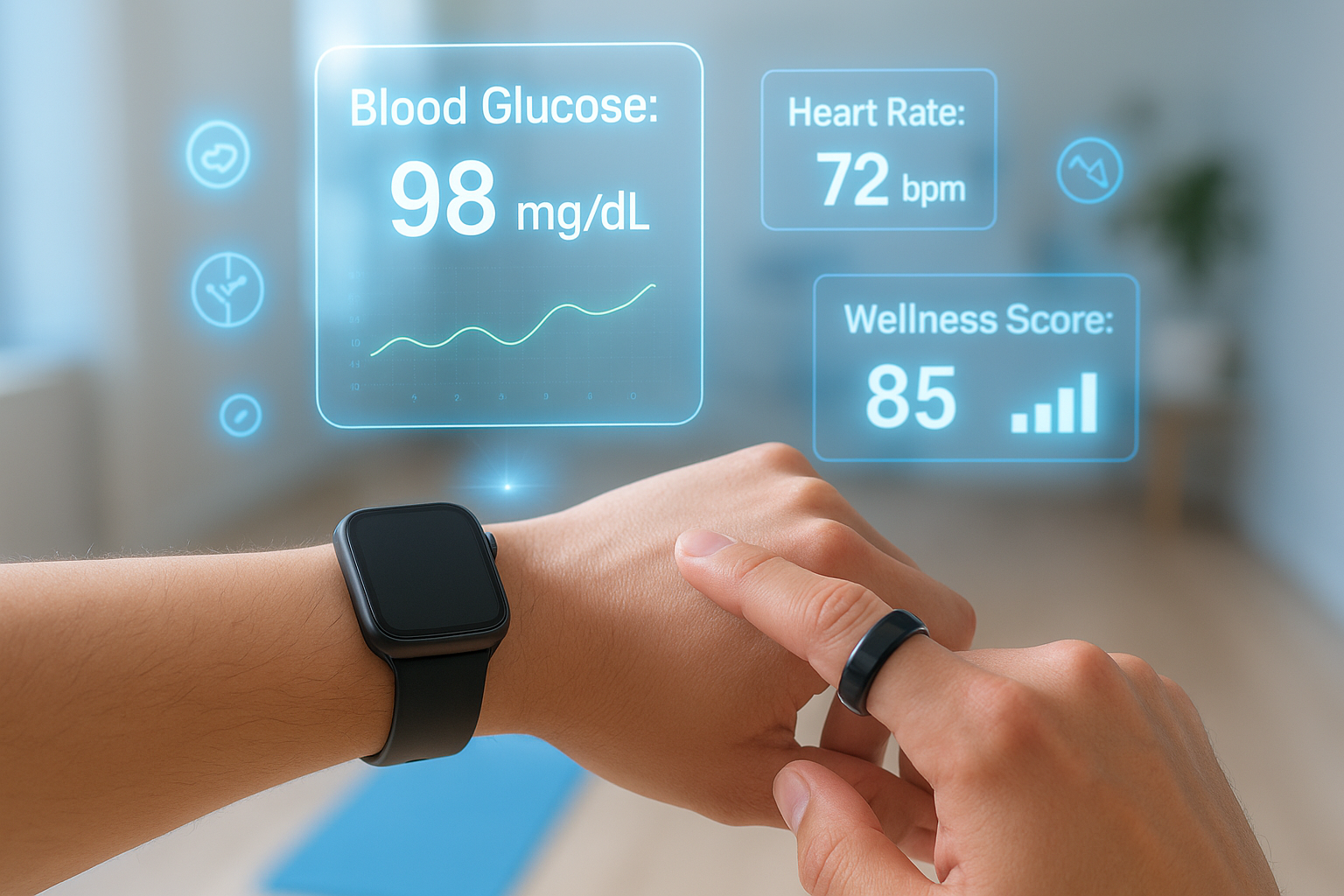
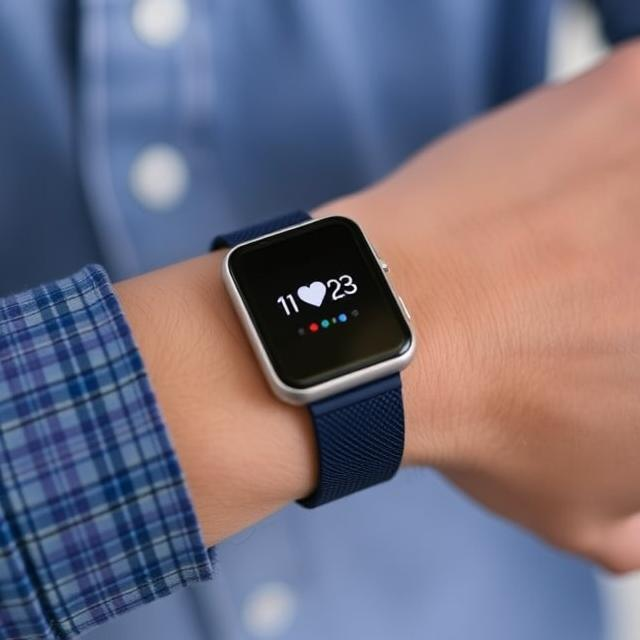
Smartwatches and fitness trackers have made it possible to monitor health around the clock. Devices like the Apple Watch, Fitbit, and Samsung Galaxy Watch continuously track key health metrics including:
- Heart rate and heart rhythm
- Blood oxygen (SpO2) levels
- Blood pressure trends
- Sleep quality and duration
- Daily physical activity and calorie burn
This constant stream of data gives users a clear picture of their health and allows doctors to remotely observe patients without requiring frequent clinic visits. Catching an abnormality early can prevent a minor issue from becoming a serious medical emergency.
Managing Chronic Illnesses More Effectively
For people living with long-term conditions like diabetes, hypertension, or heart disease, wearable devices can genuinely change daily life. Continuous glucose monitors (CGMs), for example, allow diabetic patients to track blood sugar levels without repeated finger-prick tests. The device sends instant alerts when glucose levels rise or fall beyond safe limits, helping users respond quickly and avoid dangerous complications.
Similarly, wearable blood pressure monitors give hypertension patients a way to track readings throughout the day rather than relying on a single measurement during a doctor’s visit. This gives a far more accurate picture of cardiovascular health over time.
ECG Monitors and Heart Health Detection
One of the most significant advances in wearable healthcare is the integration of ECG (electrocardiogram) monitors into consumer smartwatches. Devices like the Apple Watch Series 9 and Samsung Galaxy Watch 6 can now detect irregular heart rhythms, including atrial fibrillation (AFib), a condition that significantly raises the risk of stroke.
By identifying these irregularities early, wearables give users the chance to seek medical attention before the condition worsens. This kind of early detection has already been credited with saving lives in documented cases around the world.
| Feature | Benefit | Who It Helps Most |
|---|---|---|
| Continuous Glucose Monitor | Tracks blood sugar without finger pricks | Diabetic patients |
| ECG Monitor | Detects AFib and irregular heartbeats | Heart disease risk patients |
| SpO2 Sensor | Monitors blood oxygen levels | Respiratory condition patients |
| Remote Vital Monitoring | Sends data directly to doctors | Elderly and mobility-limited patients |
Remote Patient Monitoring and Better Access to Care
Wearable technology is making healthcare more accessible, especially for elderly patients and those with limited mobility. Instead of travelling to a clinic for routine check-ups, patients can wear devices that continuously send vital sign data directly to their healthcare providers.
This approach, known as remote patient monitoring (RPM), reduces the burden on hospitals and clinics while ensuring patients receive timely care. Doctors can spot warning signs early and intervene before a condition requires emergency treatment. For patients in rural or underserved areas, RPM can be particularly valuable where access to specialists is limited.
Building Healthier Habits and Improving Treatment Adherence
Beyond medical monitoring, wearables play a strong role in encouraging healthier daily habits. Fitness trackers set personalised activity goals, remind users to move after long periods of sitting, and track sleep patterns to highlight areas for improvement. Over time, this consistent feedback motivates users to make better lifestyle choices.
Wearables also help patients stick to their treatment plans. Smart reminders notify users when it is time to take medication, complete prescribed exercises, or attend follow-up appointments. This reduces the risk of missed doses or skipped therapies, which are common reasons why treatment plans fail.
Additionally, the health data collected by wearables over weeks and months gives doctors a richer dataset to work with. Instead of relying on a snapshot from a single appointment, physicians can review trends and patterns to make more informed decisions about personalised care plans.
Wearable health gadgets are no longer just fitness accessories. They are becoming essential tools in preventive care, chronic disease management, and remote healthcare delivery. As the technology continues to improve and become more affordable, its role in everyday health management will only grow stronger.
Frequently Asked Questions
Smartwatches like the Apple Watch Series 9 and Samsung Galaxy Watch 6 include built-in ECG monitors that can detect irregular heart rhythms such as atrial fibrillation (AFib). These devices are widely recommended for people at risk of heart conditions.
Yes. Continuous glucose monitors (CGMs) allow diabetic patients to track blood sugar levels throughout the day without repeated finger-prick tests. The device sends alerts when levels go too high or too low, helping users manage their condition more effectively.
Wearable devices equipped with sensors for heart rate, blood pressure, and oxygen levels can transmit health data in real time to a patient's healthcare provider. This allows doctors to monitor patients from a distance, reducing the need for frequent in-person visits and enabling early intervention when needed.