
Collaborative robots, widely known as cobots, are quietly reshaping how businesses operate across the world. Unlike the bulky industrial machines of the past, cobots are designed to work side by side with humans — safely, efficiently, and affordably. From small manufacturing units to large hospital networks, cobots are becoming a practical solution for businesses looking to improve productivity without replacing their workforce.
What Are Collaborative Robots (Cobots)?
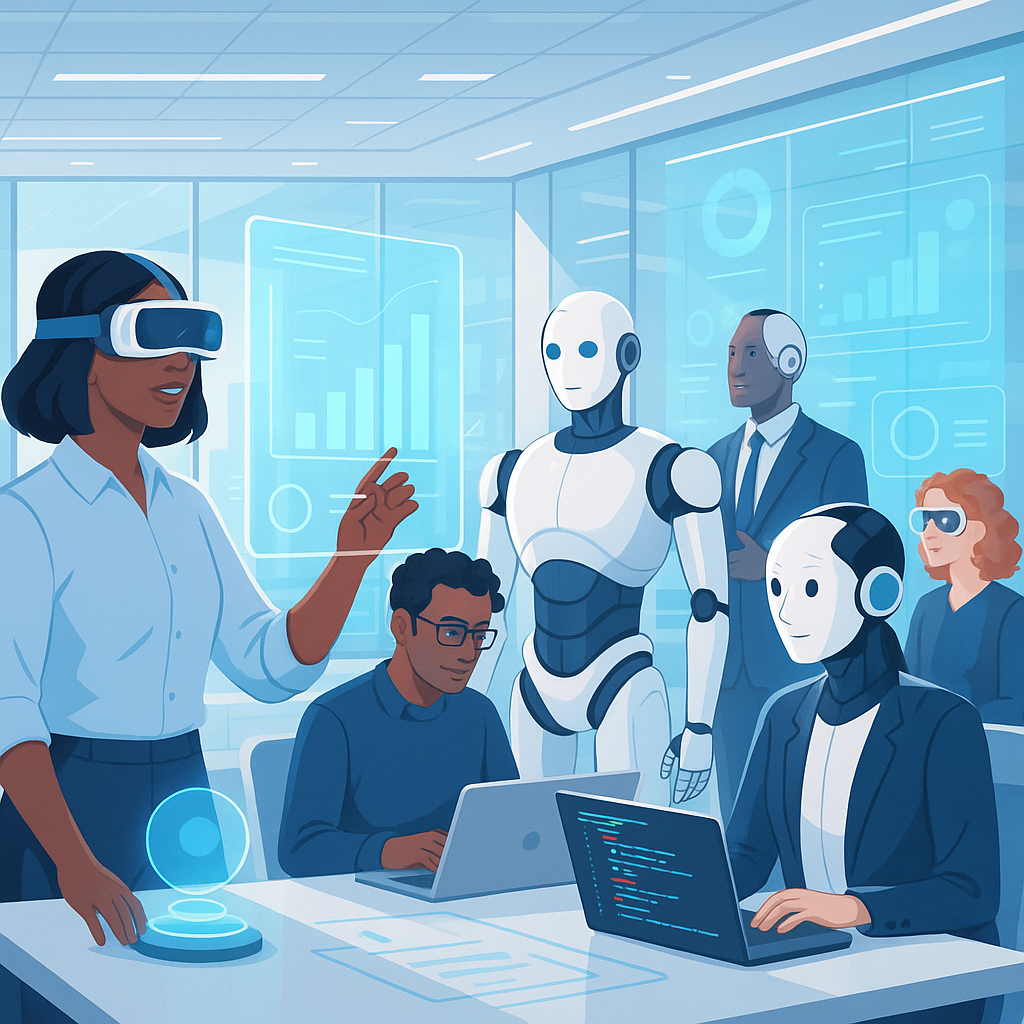
Cobots are smart, flexible robots built to assist humans in a wide range of tasks — from assembling products and packaging goods to quality control and material handling. What sets them apart from traditional robots is their ability to detect their surroundings using advanced sensors and AI-driven technology.
Because cobots can sense when a human is nearby and pause or slow their operations accordingly, they do not require separate workspaces or safety cages. This makes them far easier to integrate into existing work environments without major infrastructure changes.
Why Businesses Are Adopting Cobots Rapidly
Companies across industries are turning to cobots for several practical reasons:
- Cost-Effective Investment: Cobots are generally more affordable than traditional industrial robots, making them accessible even for small and medium-sized businesses that previously could not afford automation.
- Built-In Safety Features: Sensors allow cobots to detect nearby humans and pause operations instantly, significantly reducing the risk of workplace accidents.
- Easy to Program and Reprogram: Cobots can be quickly set up to perform different tasks, giving businesses the flexibility to adapt without lengthy downtime or expensive reprogramming costs.
- Scalable for Growth: As a business expands, additional cobots can be added without requiring major changes to the existing workspace or workflow.
How Cobots Improve Productivity and Worker Satisfaction
One of the biggest advantages of cobots is that they handle repetitive, physically demanding tasks — such as lifting, sorting, and assembling — so that human workers can focus on higher-value activities that require creativity, judgment, and problem-solving.
This shift has a direct impact on employee well-being. Workers who are no longer burdened with monotonous or physically strenuous tasks tend to report higher job satisfaction. Cobots also reduce workplace injuries linked to heavy lifting and repetitive strain, which lowers absenteeism and healthcare costs for employers.
Industries Where Cobots Are Making a Real Difference
Cobots are already delivering measurable results across several key sectors:
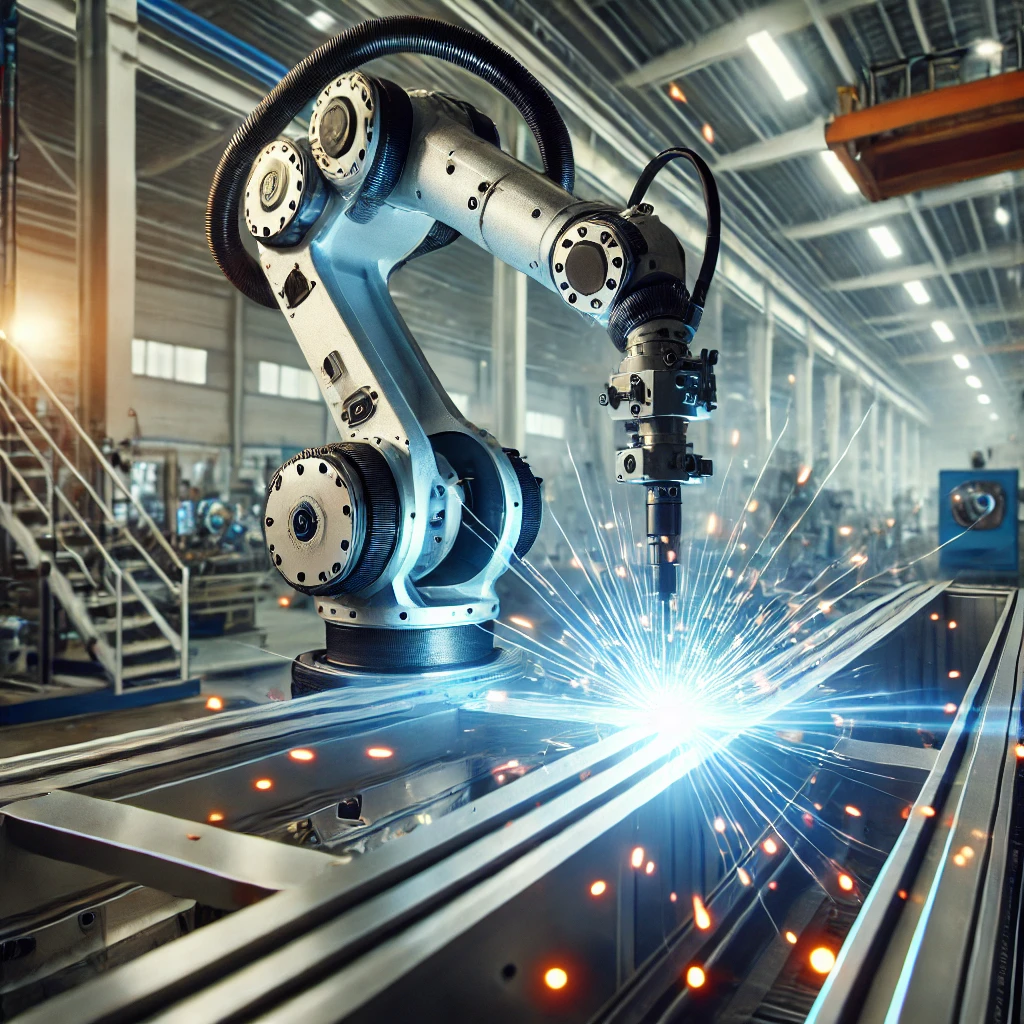
- Manufacturing: Cobots assist with welding, painting, and component assembly, helping factories improve output quality and speed.
- Healthcare: In hospitals and clinics, cobots handle tasks like delivering medications, transporting supplies, and disinfecting rooms — reducing the workload on medical staff and minimising human error.
- Warehousing and Logistics: Cobots sort, organise, and move packages efficiently, cutting down errors and speeding up delivery timelines for e-commerce and supply chain operations.
Cobots vs. Traditional Industrial Robots: A Clear Comparison
Understanding the difference between cobots and traditional robots helps businesses make informed decisions about automation investments.
| Feature | Cobots | Traditional Industrial Robots |
|---|---|---|
| Size | Compact and lightweight | Large and heavy |
| Cost | Affordable for SMEs | High upfront investment |
| Safety | Works alongside humans | Requires safety barriers |
| Flexibility | Easily reprogrammed | Fixed task-specific setup |
| Best For | Varied, precision tasks | High-volume repetitive tasks |
What the Future Holds for Cobots
As sensor technology, machine learning, and AI continue to advance, cobots will become even more capable. Future cobots are expected to handle increasingly complex tasks with greater autonomy, adapting to changing environments in real time.
For Indian businesses in particular, cobots present a significant opportunity. With a growing manufacturing sector, a booming logistics industry, and increasing demand for healthcare automation, the adoption of cobots in India is expected to rise sharply over the coming years. Businesses that invest early in cobot technology are likely to gain a competitive edge in efficiency, safety, and operational costs.
In short, cobots are not about replacing human workers — they are about making human work smarter, safer, and more fulfilling. The workplaces of the future will be built on this kind of human-robot collaboration.
Frequently Asked Questions
Traditional industrial robots are large, expensive machines that require safety barriers and are designed for high-volume, fixed tasks. Cobots, or collaborative robots, are compact, affordable, and built to work safely alongside human workers without the need for separate workspaces. They are also easier to program and can be quickly adapted to different tasks.
Yes, cobots are specifically well-suited for small and medium-sized businesses. They are more affordable than traditional industrial robots, easy to set up, and can be reprogrammed quickly to handle different tasks. This makes them a practical and cost-effective automation option for businesses with limited budgets and varied operational needs.
Cobots are not designed to replace human workers. Instead, they handle repetitive, physically demanding, or hazardous tasks so that human employees can focus on more complex, creative, and strategic work. This human-robot collaboration typically leads to higher productivity and improved job satisfaction among workers.