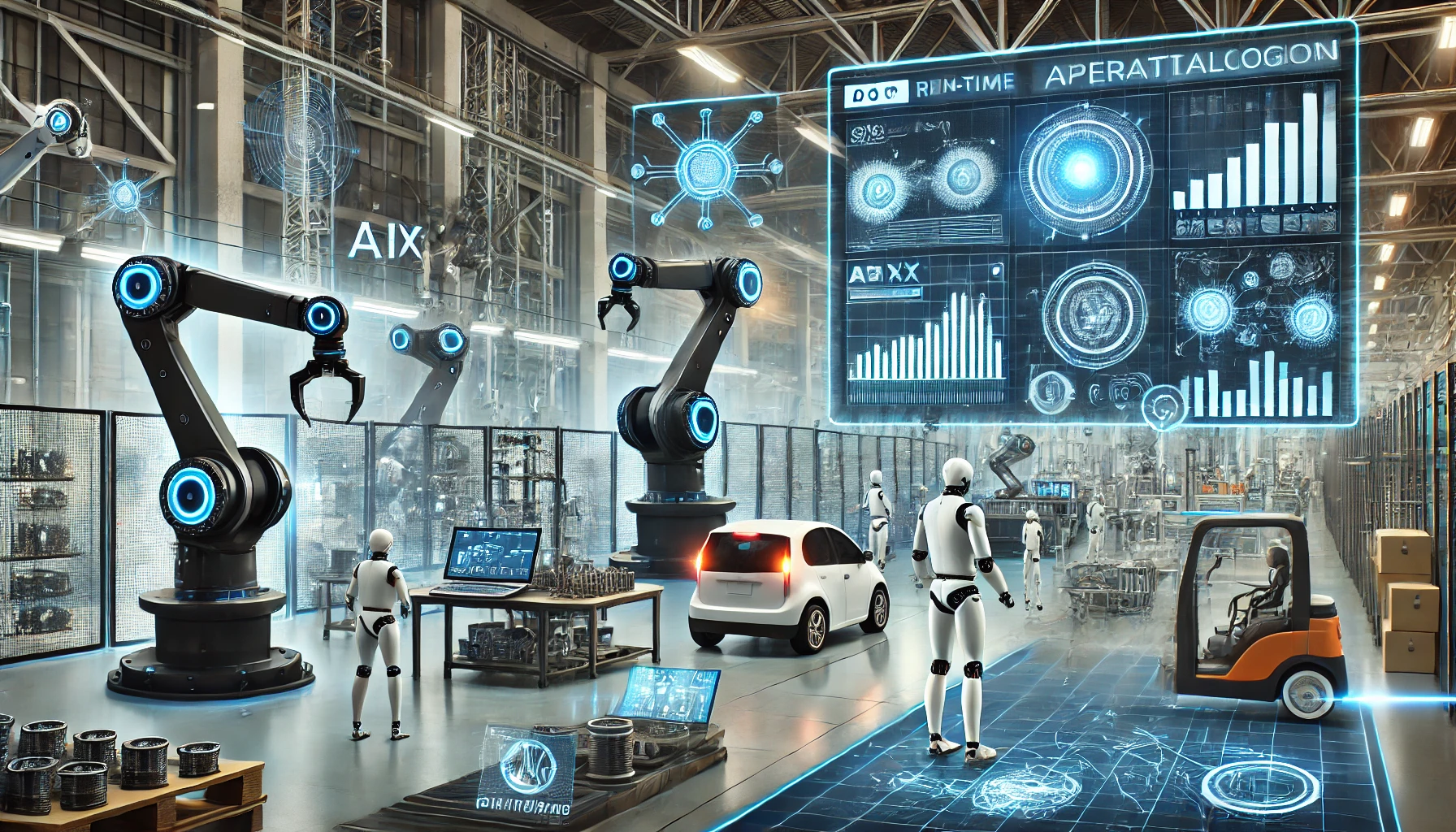
Automation is no longer a distant concept reserved for large corporations. From small manufacturing units to large hospital networks, businesses across sectors are adopting automation technologies to work faster, smarter, and more efficiently. Understanding how these technologies work and where they are heading can help businesses and workers prepare for what lies ahead.
What Is Industrial Automation?
Industrial automation refers to the use of machines, software, and control systems to perform tasks that were previously done by humans. The goal is not just speed — it is also about precision, consistency, and reducing costly errors.
Automation covers a wide range of applications, from robots on a factory floor to software that processes insurance claims without human intervention. As industries grow more competitive, automation has become a practical necessity rather than a luxury.
Key Types of Automation Technologies Used Today
Different industries rely on different types of automation tools. Here are the most widely used technologies:
- Robotic Process Automation (RPA): RPA software handles repetitive digital tasks such as data entry, invoice processing, and customer service queries. Industries like healthcare, finance, and manufacturing use RPA to reduce human error and speed up workflows.
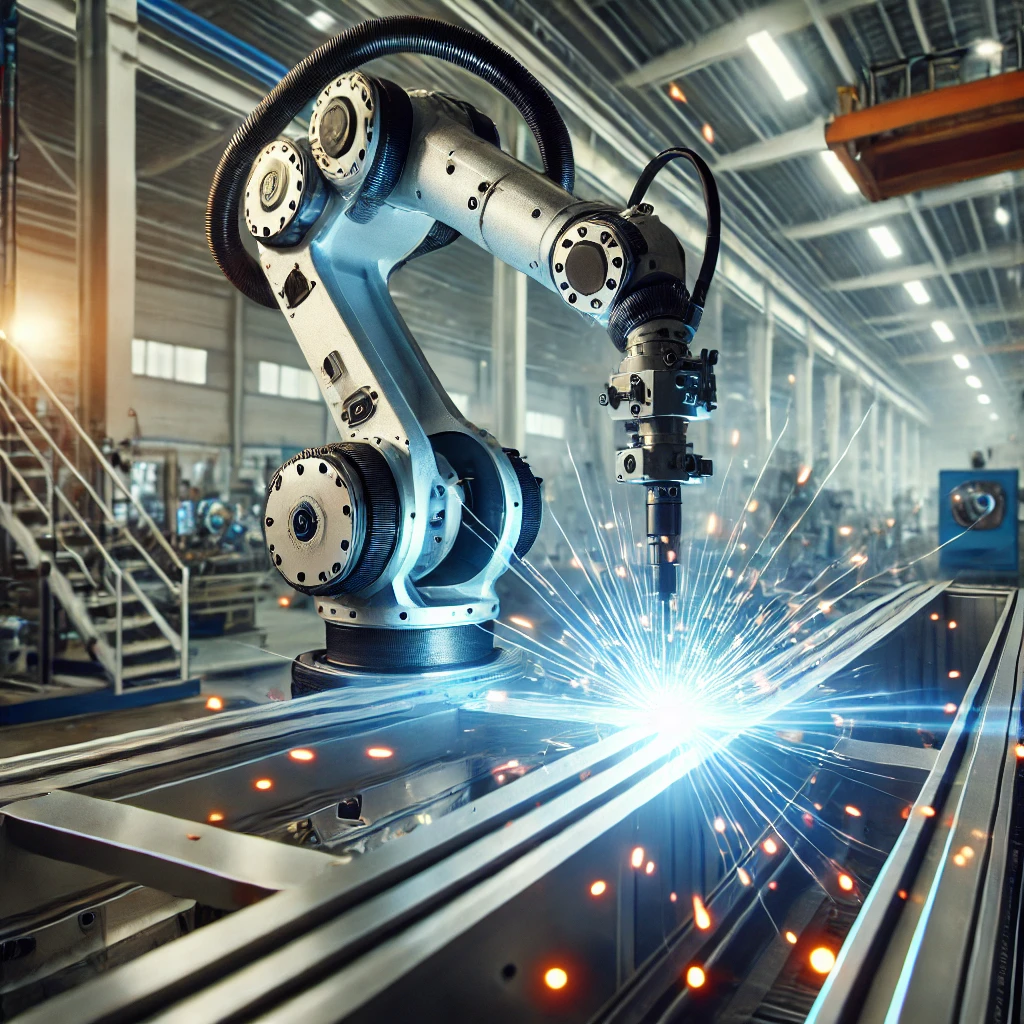
- Industrial Robots: These machines handle physical tasks in factories — welding, assembly, packaging, and heavy lifting. Unlike human workers, they can operate continuously without breaks, significantly increasing output.
- AI and Machine Learning: These technologies allow machines to learn from data and improve over time. In manufacturing, they help predict equipment failures before they happen, optimise production schedules, and improve product quality.
- Programmable Logic Controllers (PLCs): PLCs are specialised computers that control machinery on factory floors. They automate assembly lines and packaging systems, making production smoother and more reliable.
- CNC Machines (Computer Numerical Control): CNC machines automate precision tasks like cutting, drilling, and shaping materials. They are essential in metalworking, aerospace, and automotive manufacturing where exact measurements are critical.
Benefits of Automation Across Industries
The adoption of automation brings measurable advantages for businesses of all sizes:
- Higher Productivity: Machines work faster and longer than humans, producing more output in less time without fatigue.
- Better Accuracy: Automated systems reduce human error, leading to more consistent product quality and fewer defects.
- Cost Savings: While setup costs can be high, automation reduces long-term labour costs and operational inefficiencies.
- Improved Workplace Safety: Robots can take on hazardous tasks — handling toxic materials, lifting heavy loads, or working in extreme temperatures — reducing the risk of injury to human workers.
| Industry | Automation Use Case | Key Benefit |
|---|---|---|
| Manufacturing | Robotic assembly, AI-driven supply chains | Faster production, fewer defects |
| Healthcare | Robotic surgery, AI diagnostics, patient records | Better care quality, lower costs |
| Logistics | Drone delivery, automated warehouses | Faster delivery, accurate tracking |
| Agriculture | Precision farming, automated irrigation | Higher crop yields, resource savings |
Challenges Businesses Face When Adopting Automation
Despite its clear advantages, automation is not without hurdles. Businesses — especially smaller ones — often face significant barriers:
- High Initial Investment: Purchasing machines, installing software, and training staff requires substantial upfront spending. This can be a major obstacle for small and medium enterprises.
- Integration Complexity: Fitting new automation systems into existing workflows is rarely straightforward. Many companies need specialised consultants to ensure smooth integration.
- Workforce Concerns: There is a genuine concern that automation may displace workers, particularly those in manual or repetitive roles. However, many experts argue that automation often shifts workers to higher-value tasks rather than eliminating jobs entirely.
What the Future of Industrial Automation Looks Like
The pace of automation adoption is only going to increase. Several emerging trends are set to define the next phase of industrial automation:
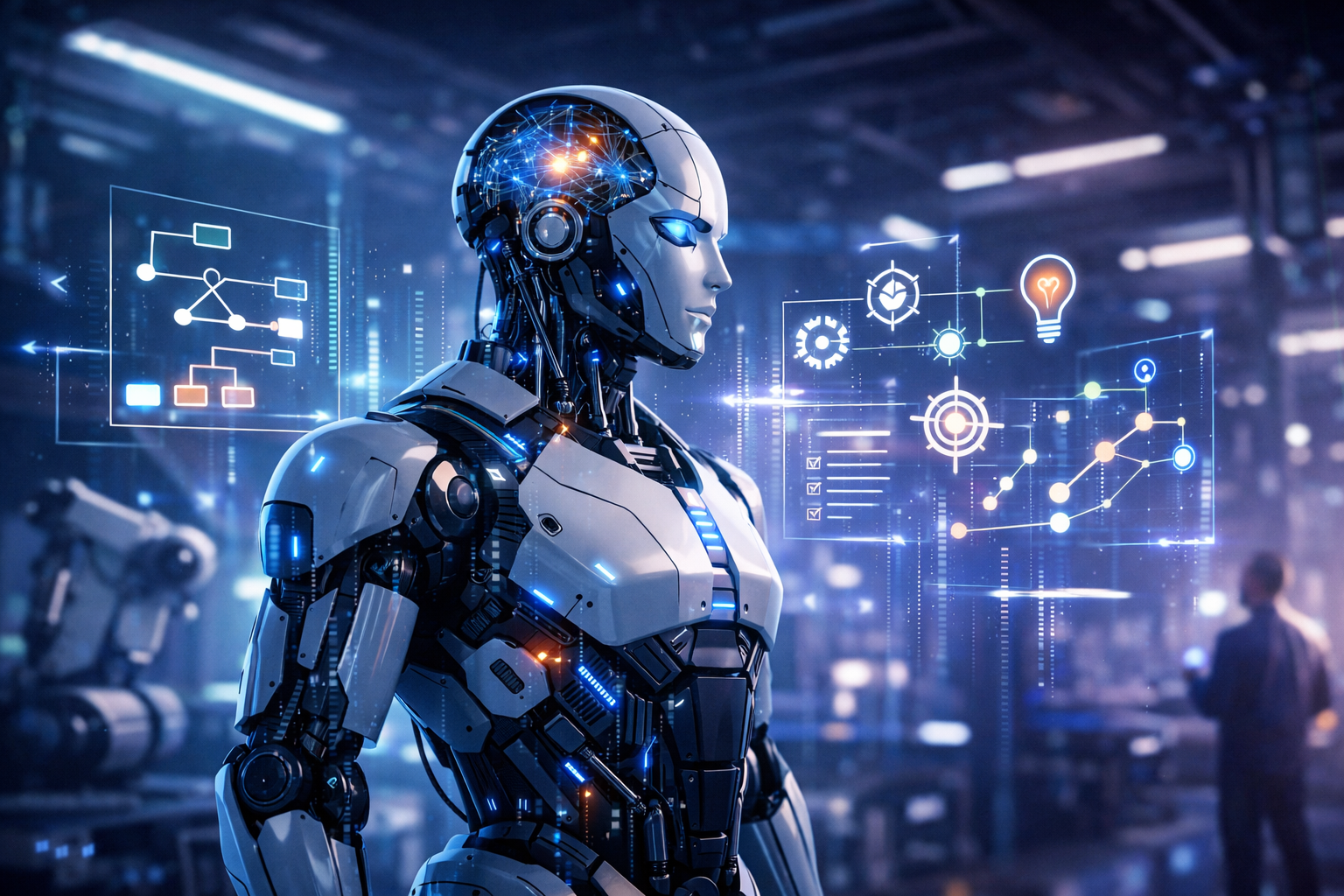
- Smarter AI Systems: As machine learning models become more sophisticated, automated systems will make better decisions with less human oversight, improving process efficiency across sectors.
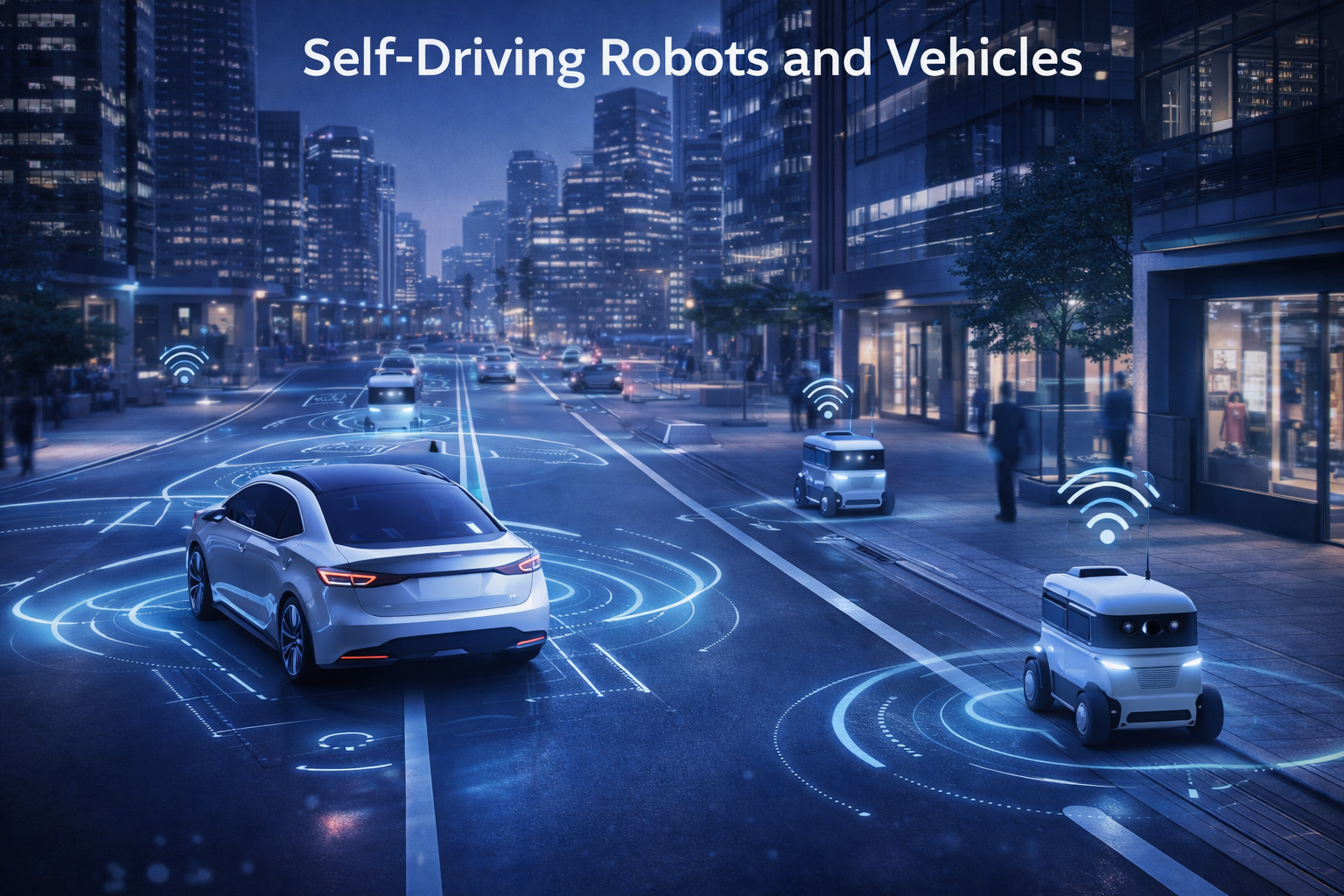
- Autonomous Robots: Factories and warehouses will increasingly deploy robots that operate independently, without constant human supervision. This will further reduce costs and accelerate production timelines.
- Internet of Things (IoT) Integration: IoT connects machines and devices to the internet, enabling real-time data sharing. This allows companies to monitor operations closely and address problems before they cause downtime.
- 5G Connectivity: The rollout of 5G networks will significantly improve the speed and reliability of communication between automated systems, making real-time control of machines more practical and widespread.
Automation technologies are fundamentally changing how industries operate. While challenges around cost and workforce impact remain real, the long-term benefits — higher productivity, better safety, and lower operational costs — make automation an essential part of industrial growth. Businesses that invest in understanding and adopting these technologies today will be better positioned to compete in the years ahead.
Frequently Asked Questions
The most common types include Robotic Process Automation (RPA), industrial robots, AI and machine learning systems, Programmable Logic Controllers (PLCs), and CNC machines. Each serves different purposes across sectors like manufacturing, healthcare, and logistics.
While automation does replace certain repetitive and manual tasks, many industries use it to assist workers rather than eliminate them. Workers are often shifted to more complex, higher-value roles that require human judgement and creativity.
The main challenges include high initial setup costs, the complexity of integrating new systems into existing workflows, and the need for skilled personnel to manage and maintain automated systems. However, costs are gradually decreasing as the technology matures.