From deep underground mines to nuclear power plants and disaster zones, some jobs carry extreme risks for human workers. Robots are now stepping into these dangerous roles, reducing injuries, saving lives, and getting critical work done more efficiently. Here is a closer look at how robotics is changing workplace safety across high-risk industries.
How Robots Keep Human Workers Out of Harm’s Way
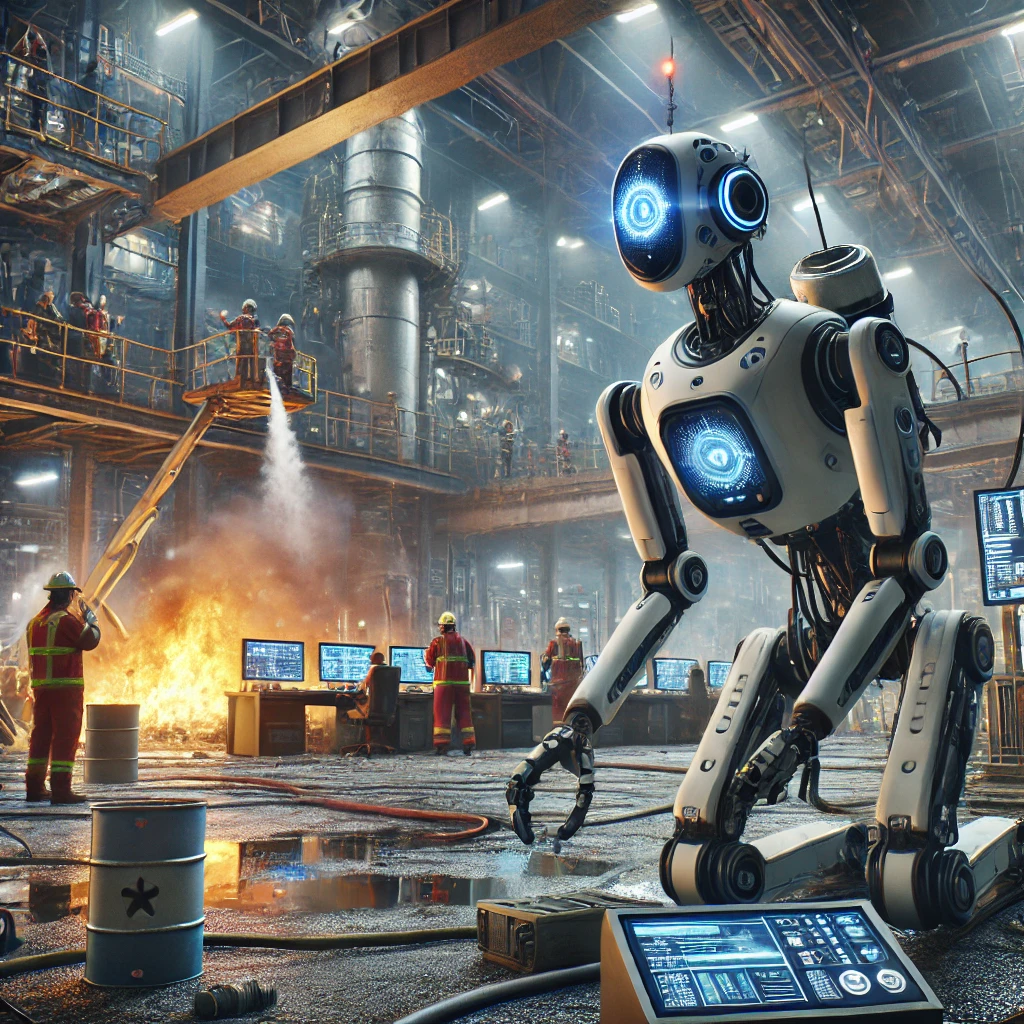
Certain jobs have always carried a high risk of injury or death. Mining, chemical handling, nuclear maintenance, and disaster rescue are among the most dangerous occupations in the world. Robots are now taking on these tasks directly, removing the need for humans to enter life-threatening situations.
In underground mining, robots search tunnels, detect gas leaks, and carry out controlled explosions. No human worker needs to risk their life in unstable shafts or toxic atmospheres. In nuclear power plants, robotic arms and drones inspect and repair equipment that would expose human workers to dangerous levels of radiation. This not only protects employees but also speeds up maintenance work significantly.
Robots in Emergency and Disaster Response
When earthquakes, floods, or building collapses occur, rescue teams face enormous personal risk. Search-and-rescue robots are designed specifically for these situations. They can move through collapsed structures, navigate flooded areas, locate survivors, and assess structural damage without putting human rescuers in danger.
These robots come in two broad types:
- Remote-controlled robots – Operated by a human handler from a safe distance.
- Autonomous robots – Equipped with sensors and onboard intelligence to navigate and make decisions independently.
Both types play a vital role in disaster response, allowing rescue teams to gather critical information before sending people into dangerous zones.
Robotics in Oil, Gas, Chemical, and Nuclear Industries
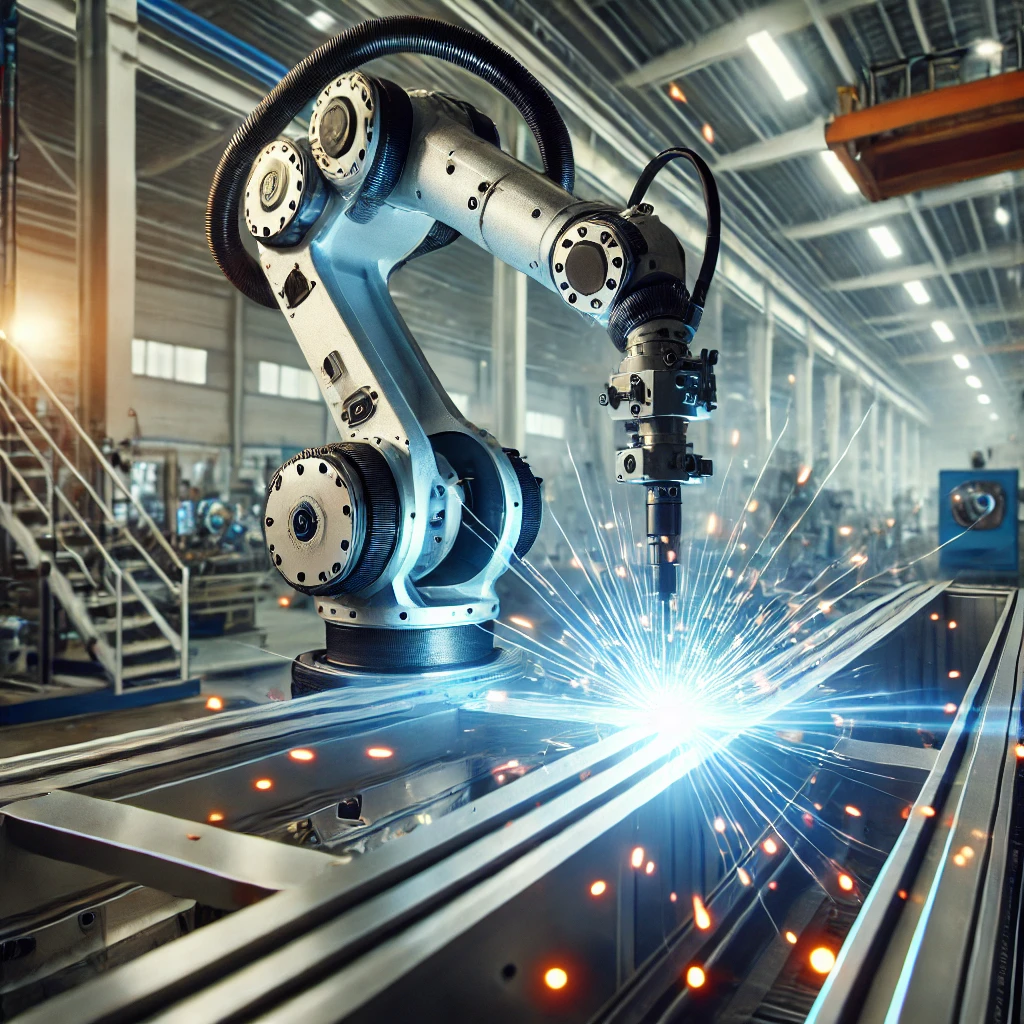
The oil and gas sector involves highly flammable materials, extreme pressures, and remote locations. Robots now inspect underwater pipelines, perform welding tasks, and detect leaks in conditions that would be fatal for human workers.
Remotely Operated Vehicles, commonly known as ROVs, are widely used in deep-sea drilling operations. These machines can dive to depths far beyond human capability and function under intense underwater pressure, making offshore energy operations both safer and more productive.
In chemical and nuclear plants, robots handle hazardous substances, monitor safety conditions, and carry out maintenance tasks. Robotic arms in nuclear facilities perform jobs that would otherwise expose workers to harmful radiation. This technology has already prevented numerous accidents and significantly improved day-to-day safety standards.
| Industry | Robot Type Used | Key Benefit |
|---|---|---|
| Mining | Tunnel robots, drones | Gas detection, controlled blasting |
| Nuclear Power | Robotic arms, drones | Radiation-free maintenance |
| Oil and Gas | ROVs, inspection robots | Deep-sea pipeline inspection |
| Disaster Response | Search-and-rescue robots | Survivor location, damage assessment |
| Chemical Plants | Material-handling robots | Safe handling of toxic substances |
Key Advantages and Real Challenges of Industrial Robots
The primary reason to deploy robots in dangerous environments is straightforward — keeping people alive and unharmed. But the benefits go beyond safety alone:
- Non-stop operation – Robots do not need rest breaks, which increases overall productivity in time-sensitive operations.
- High precision – Tasks like welding, cutting, and assembly are performed with consistent accuracy, reducing the risk of errors that could cause accidents.
- Access to extreme environments – Robots can operate deep underground, at the bottom of the ocean, or inside radioactive zones where no human could survive.
However, deploying robots in harsh conditions is not without its difficulties:
- High upfront costs – Building robots capable of withstanding extreme heat, pressure, or toxic exposure requires significant investment.
- Maintenance complexity – If a robot breaks down mid-operation in a hazardous zone, repairs can be slow, difficult, and costly.
- Human oversight still required – Even the most advanced autonomous robots need human supervision to ensure they perform correctly and safely.
What the Future Holds for Robots in High-Risk Work
As technology advances, robots will become capable of handling even more complex and unpredictable situations. With improvements in machine learning and sensor technology, future robots will be able to make real-time decisions, adapt to unexpected changes, and operate with greater independence.
Drones fitted with advanced sensors are already transforming rescue missions. Robots used in mining and nuclear power are becoming more reliable and capable with each generation. The long-term goal across these industries is clear — build a world where machines take on the most dangerous tasks, so human workers never have to face those risks.
Robotics in hazardous environments is not just a technological achievement. It represents a meaningful shift in how industries think about worker safety, operational efficiency, and the value of human life on the job.
Frequently Asked Questions
Several types of robots are used in dangerous settings, including tunnel robots and drones in mining, robotic arms and inspection drones in nuclear plants, remotely operated vehicles (ROVs) in deep-sea oil and gas operations, and search-and-rescue robots in disaster zones.
The main benefits include protecting human workers from life-threatening situations, enabling non-stop operations without breaks, performing tasks with high precision, and accessing extreme environments such as deep underwater or radioactive zones where humans cannot safely work.
The key challenges include high development and deployment costs, the complexity of repairing robots that break down in dangerous locations, and the continued need for human oversight to ensure robots operate correctly and safely in unpredictable conditions.