Car speed detection technology plays a vital role in keeping roads safe, managing traffic efficiently, and powering the next generation of self-driving vehicles. From radar guns used by traffic police to laser-based lidar systems in autonomous cars, these technologies are quietly working every time you drive. Here is a clear breakdown of how they work and why they matter.
What Is Car Speed Detection Technology?
Car speed detection technology refers to a range of systems and methods designed to measure how fast a vehicle is moving on the road. These systems are used by law enforcement agencies, transport authorities, vehicle manufacturers, and city planners to improve road safety and traffic management.
The two most widely used technologies are radar and lidar. Both provide accurate speed readings but work in different ways. Alongside these, camera-based systems and GPS-based systems also play an important role in modern speed detection.
How Radar-Based Speed Detection Works
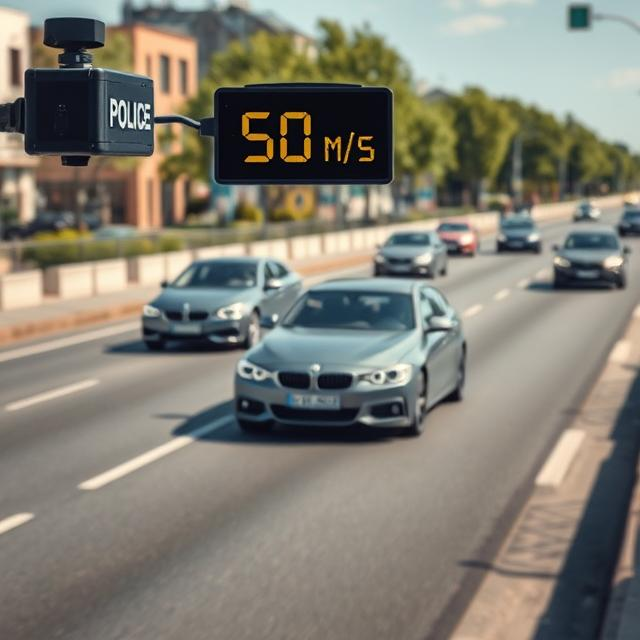
Radar stands for Radio Detection and Ranging. It has been the backbone of traffic speed enforcement for decades. Here is how it works:
- Radio wave emission: The radar device sends radio waves toward a moving vehicle.
- Doppler effect: As the vehicle moves, it changes the frequency of the reflected radio waves. The faster the vehicle, the greater the frequency shift.
- Speed calculation: The radar system measures this frequency change and calculates the vehicle’s speed accurately.
Radar systems are reliable, easy to deploy, and work well in most weather conditions. This makes them a preferred choice for traffic police and highway monitoring agencies across India and globally.
How Lidar-Based Speed Detection Works
Lidar stands for Light Detection and Ranging. It uses laser pulses instead of radio waves, offering higher precision than radar. Here is how it functions:
- Laser pulse emission: The lidar device fires rapid bursts of laser light at the target vehicle.
- Return time measurement: The system records how long it takes for the light to bounce back after hitting the vehicle.
- Speed calculation: By calculating the travel time of multiple laser pulses, the system determines the vehicle’s exact speed.
Lidar is especially useful in dense traffic situations or when tracking smaller vehicles, where radar may struggle to isolate a single target. Its precision makes it valuable for both law enforcement and advanced driver assistance systems.
Other Speed Detection Methods: Cameras and GPS
Beyond radar and lidar, two other technologies are widely used for speed detection:
- Camera-based systems: These use video analysis and image processing to track vehicle movement. By measuring how much a vehicle’s position changes over a set time period, cameras can calculate speed. Speed cameras on Indian highways often combine this method with radar or lidar for added accuracy.
- GPS-based systems: Many modern vehicles and mobile navigation apps use the Global Positioning System (GPS) to estimate speed. The system calculates the distance covered in a specific time and divides it to find the speed. GPS-based speed tracking is widely used in fleet management, logistics, and navigation apps like Google Maps.
| Technology | Method | Best Use Case |
|---|---|---|
| Radar | Radio waves + Doppler effect | Highway traffic enforcement |
| Lidar | Laser pulses + return time | Dense traffic, autonomous vehicles |
| Camera-based | Video analysis + image processing | Speed cameras, urban roads |
| GPS-based | Distance over time calculation | Fleet management, navigation apps |
Key Applications of Car Speed Detection Technology
Speed detection is not limited to catching speeding drivers. It serves a wide range of purposes across industries:
- Vehicle Safety Systems (ADAS): Advanced Driver Assistance Systems use real-time speed data to power features like adaptive cruise control, automatic emergency braking, and collision prevention. These systems help reduce accidents and protect both drivers and pedestrians.
- Traffic Enforcement: Speed cameras and radar guns are the primary tools used by traffic police to enforce speed limits on highways and city roads. They act as a deterrent against reckless driving and help maintain safe speed ranges.
- Intelligent Transportation Systems (ITS): Real-time speed data helps city authorities manage traffic flow, reduce congestion, and improve route planning. When integrated with traffic signals and variable message signs, speed detection helps create smoother commutes.
- Autonomous Vehicles: Self-driving cars depend heavily on accurate speed measurement to navigate traffic safely. Speed data helps these vehicles respond to road changes, follow traffic rules, and avoid collisions without human input.
As India continues to expand its highway network and invest in smart city infrastructure, the role of speed detection technology in traffic management and road safety will only grow stronger.
In conclusion, car speed detection technology — whether radar, lidar, camera, or GPS-based — is a critical part of modern road safety and transportation systems. Understanding how these technologies work helps drivers, policymakers, and engineers make better decisions that save lives and improve traffic conditions for everyone.
Frequently Asked Questions
Lidar is generally considered the most accurate car speed detection technology. It uses laser pulses to measure speed with high precision, making it effective even in dense traffic or when tracking smaller vehicles.
Radar sends radio waves toward a moving vehicle. The vehicle's movement causes a frequency shift in the reflected waves due to the Doppler effect. The radar system measures this shift to calculate the vehicle's speed accurately.
GPS-based speed detection calculates the distance a vehicle travels over a specific period of time and divides it to estimate speed. This method is commonly used in navigation apps, fleet management systems, and modern vehicle dashboards.