
Software teams today face constant pressure to ship faster without breaking things. Automation testing has become a core part of modern quality assurance, helping teams catch bugs early, reduce manual effort, and maintain consistent software quality across every release cycle.
What Is Automation Testing?
Automation testing uses specialized tools and pre-written scripts to execute test cases without human intervention. Unlike manual testing, where a person runs each test step by step, automated testing follows defined scripts, validates results, and generates reports automatically.
This approach is especially valuable in Agile and DevOps environments, where teams need rapid feedback and frequent releases. Once a test script is written, it can run hundreds of times across different builds without additional effort.
Key Benefits of Automation Testing
- Speed and efficiency: Automated tests run significantly faster than manual tests, shortening release cycles and giving developers quicker feedback on code changes.
- Consistency and accuracy: Scripts execute the same steps every time, eliminating human error and producing reliable, repeatable results.
- Reusable test scripts: Once created, test scripts can be reused across multiple projects and test cycles, saving development time and reducing redundancy.
- Wider test coverage: Automation makes it practical to test edge cases, load conditions, and performance scenarios that would be too time-consuming to run manually.
- Early defect detection: Integrating automated tests into CI/CD pipelines allows teams to catch bugs as soon as code is committed, before issues grow into larger problems.
- Long-term cost savings: While there is an upfront investment in tools and training, automation reduces ongoing manual testing costs and speeds up delivery timelines.
Top Automation Testing Tools to Know
Choosing the right tool depends on your tech stack, team skills, and testing goals. Here is a comparison of the most widely used automation testing tools:
| Tool | Best For | Key Feature |
|---|---|---|
| Selenium | Web application testing | Multi-browser, multi-language support |
| Jest | JavaScript unit testing | Snapshot testing and mocking, built by Facebook |
| JUnit | Java application testing | Annotations, assertions, CI/CD integration |
| TestNG | Complex test scenarios | Parallel execution and data-driven testing |
| Cypress | End-to-end web testing | Real-time browser interaction and debugging |
| Appium | Mobile app testing | Supports Android and iOS, native and hybrid apps |
Selenium remains the most widely adopted open-source tool for web testing. Cypress is gaining popularity among developers for its real-time feedback during end-to-end testing. Appium is the go-to choice for teams building mobile applications on both Android and iOS platforms.
Best Practices for Effective Automation Testing
Having the right tools is only part of the equation. How you implement automation matters just as much. Follow these practices to get the best results:
- Choose the right test cases: Focus automation on tests that are repetitive, time-consuming, and stable. Avoid automating tests that change frequently or require constant maintenance.
- Write maintainable scripts: Structure your scripts in modular, well-organized sections so they are easy to update when the application changes.
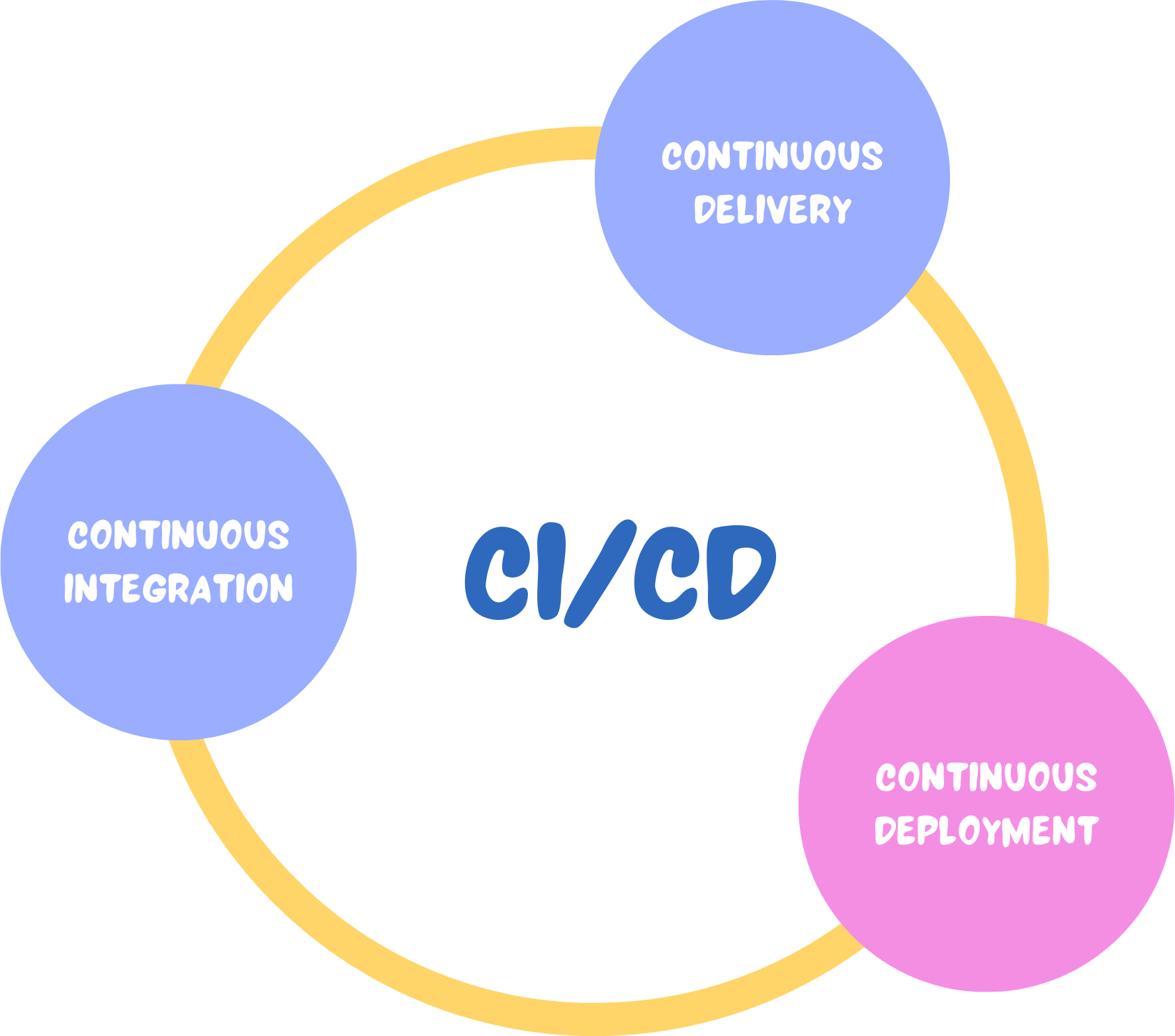
- Integrate with CI/CD pipelines: Connect automated tests to your continuous integration and delivery workflow so every code commit triggers a test run automatically.
- Review test results regularly: Analyze test reports to identify failure patterns, gaps in coverage, and opportunities for improvement.
- Keep test data and environments consistent: Inconsistent test data or environments lead to unreliable results. Standardize both to ensure trustworthy outcomes.
- Invest in team training: Give your QA engineers the skills they need to use automation tools effectively and follow industry best practices.
When Automation Testing Works Best
Automation testing delivers the most value in specific situations. It works best when:
- The application has a stable codebase with well-defined features.
- Tests need to run repeatedly across multiple builds or environments.
- The team follows Agile or DevOps practices with frequent releases.
- Performance, load, or regression testing is required at scale.
Manual testing still has its place, particularly for exploratory testing, usability checks, and scenarios that require human judgment. The strongest QA strategies combine both approaches.
As software development continues to move faster, automation testing is no longer optional for teams that want to maintain quality at scale. By selecting the right tools, following proven practices, and integrating tests into the development pipeline, teams can deliver reliable software with greater confidence and efficiency.