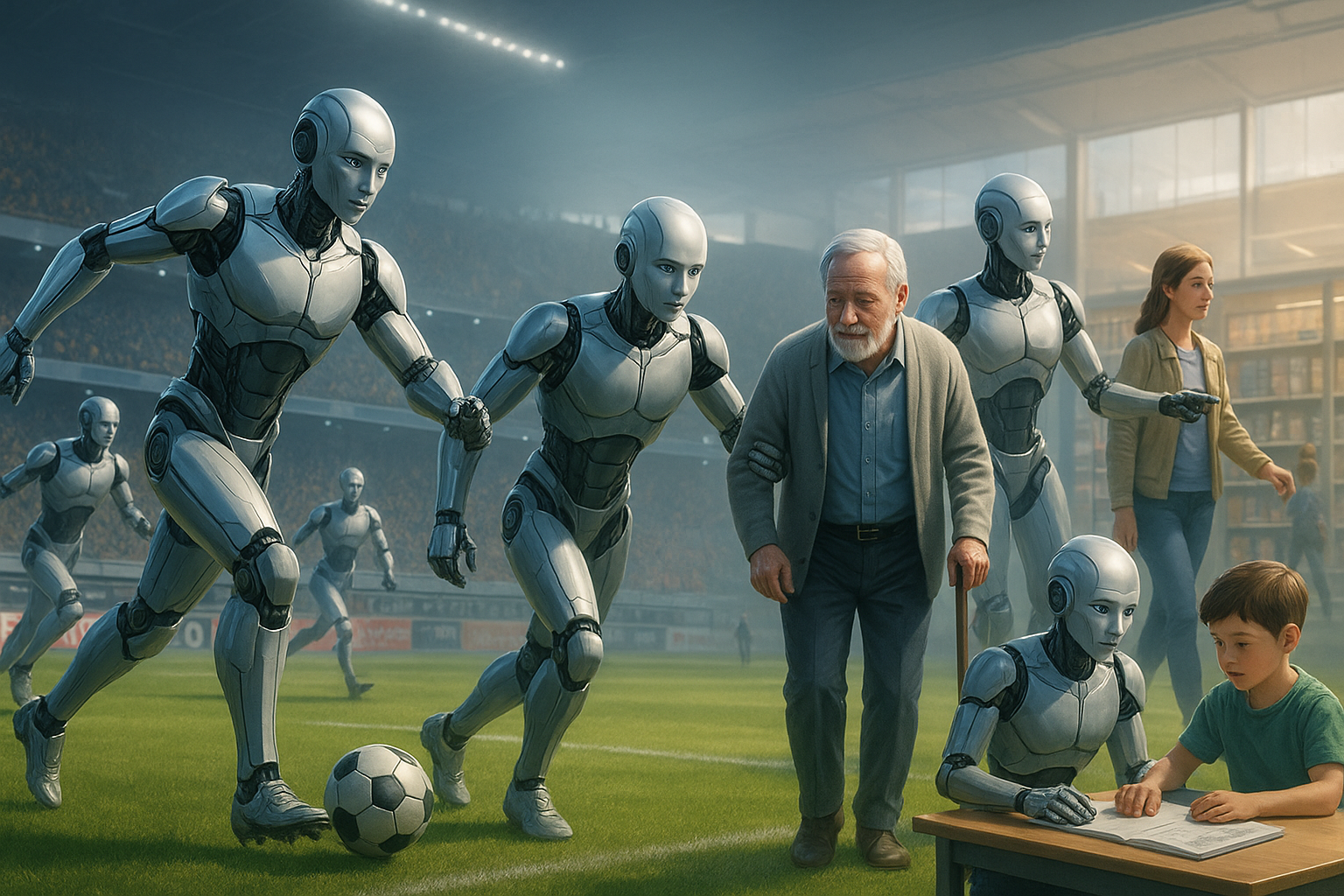
Humanoid robots are no longer confined to science fiction or research labs. From soccer fields in China to hospital corridors in Japan, these human-like machines are making their presence felt in competitive sports and everyday life. Here is a closer look at what humanoid robots are, how they compete, what challenges they face, and where they are being used right now.
What Are Humanoid Robots?
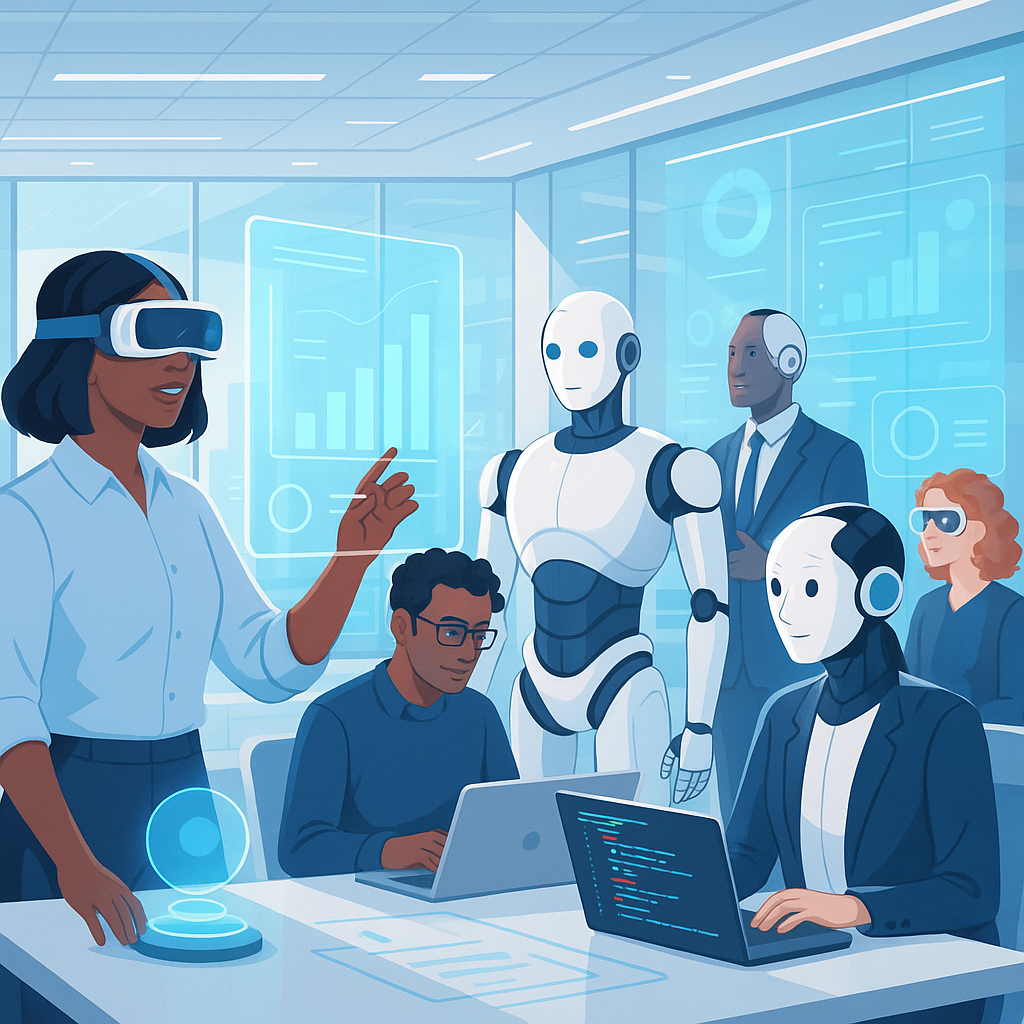
Humanoid robots are machines built to resemble and move like humans. They have a head, torso, arms, and legs, which allows them to operate in spaces originally designed for people — offices, homes, hospitals, and even sports arenas.
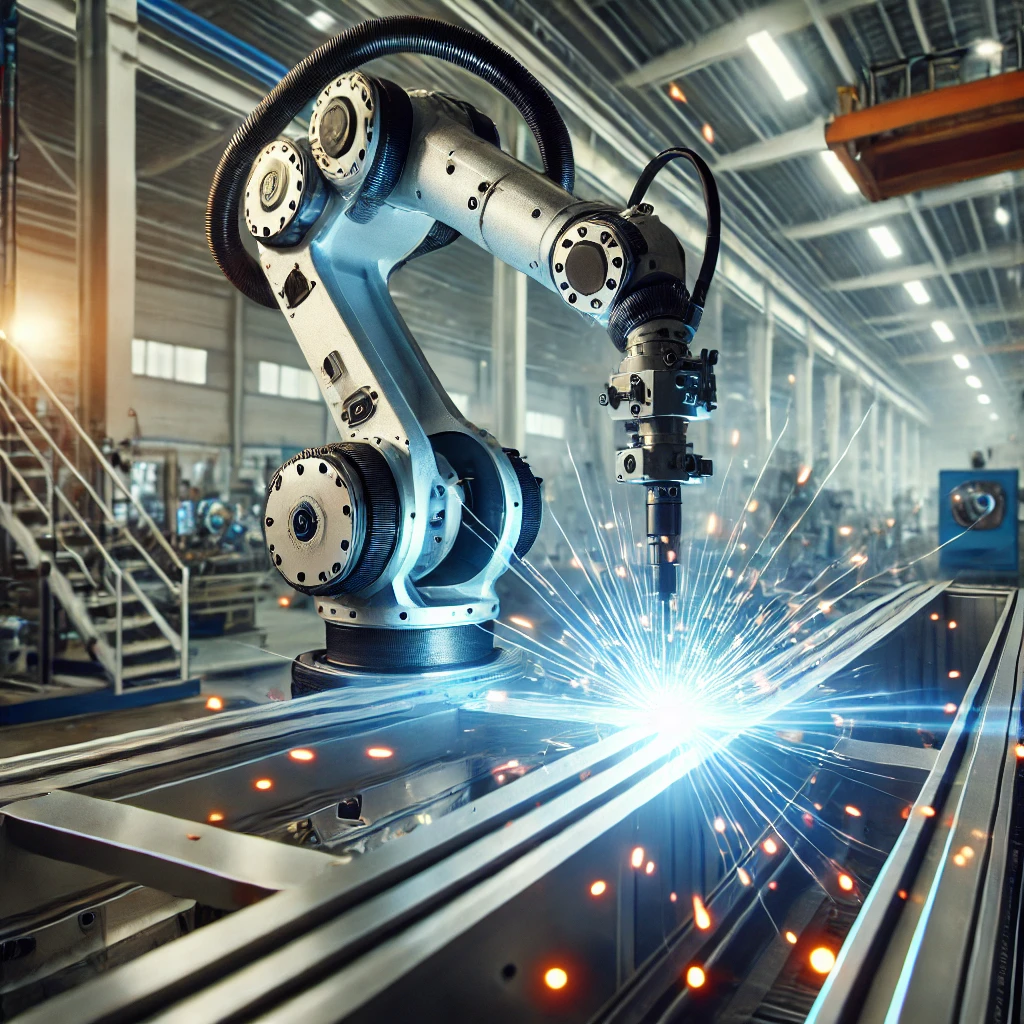
Unlike traditional industrial robots that are fixed to one spot and perform a single repetitive task, humanoid robots are designed to be flexible. They can move through different environments, handle varied tasks, and interact safely with people around them.
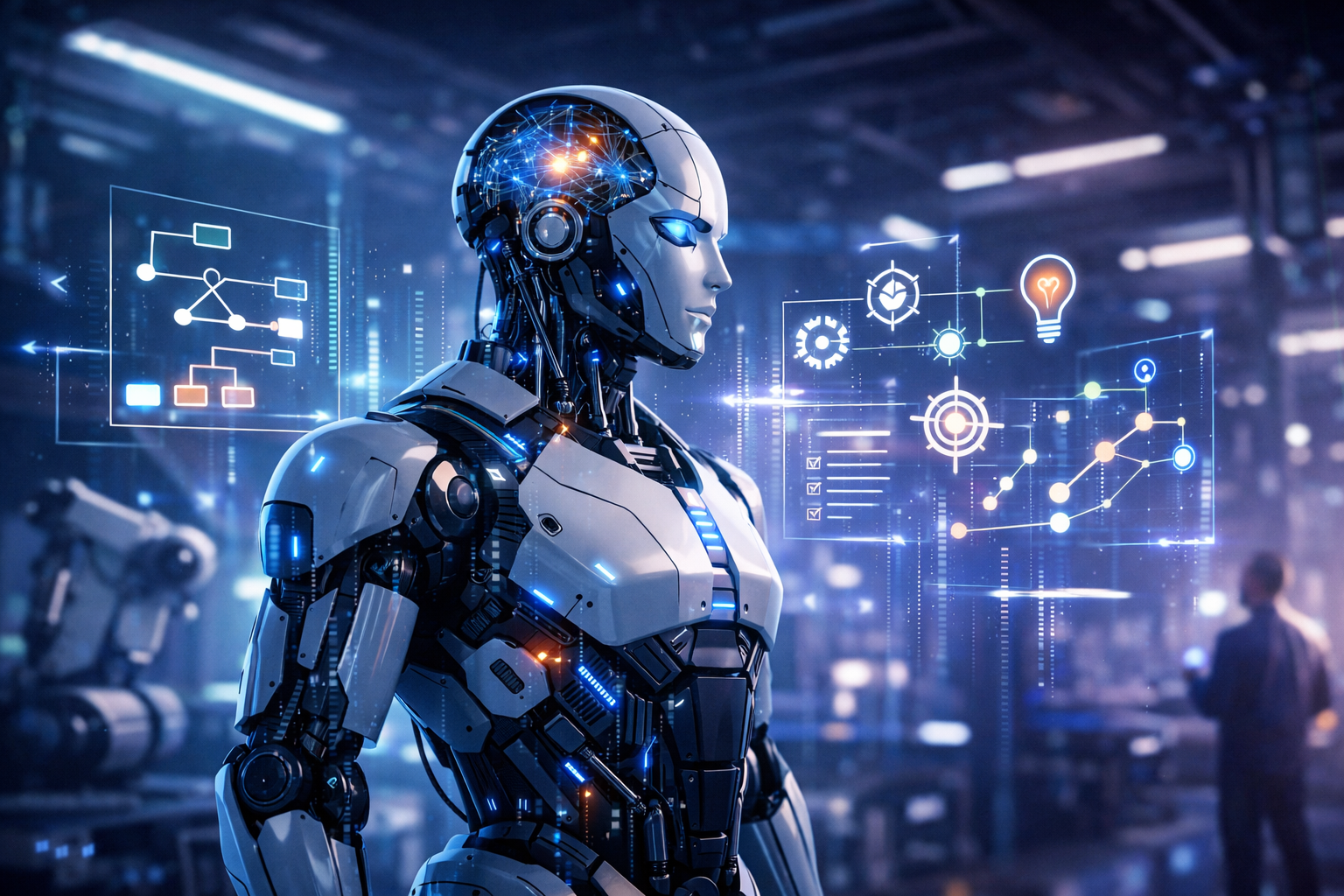
Advances in artificial intelligence and machine learning have played a major role in improving these robots. They can now learn from their surroundings, correct their own mistakes, and gradually improve their performance over time.
Humanoid Robot Competitions Around the World
One of the most exciting developments in robotics is the rise of competitive events featuring humanoid robots. Countries like China, Japan, and Germany have been at the forefront of organising these events, where robots compete in:
- Soccer matches — robots dribble, pass, and score goals against each other
- Ping pong games — testing hand-eye coordination and reaction speed
- Sprinting contests — measuring speed, balance, and stride efficiency
- Obstacle course navigation — evaluating adaptability and spatial awareness
These competitions are not just entertainment. Engineers use them as real-world testing grounds to push the boundaries of what robots can do. Specifically, they evaluate three critical capabilities:
- Balance — Can the robot stay upright during fast or sudden movements?
- Coordination — Can it synchronise arm and leg movements smoothly?
- Agility — Can it respond and adapt when the environment changes unexpectedly?
Each competition helps engineers identify weaknesses and refine the robot’s design and programming, which directly improves its usefulness in real-world settings.
Key Challenges Humanoid Robots Still Face
Despite the impressive progress, humanoid robots still have significant hurdles to overcome before they can work reliably in all environments. Here are the main challenges engineers are working to solve:
- Balance and Mobility — Walking, running, and turning without falling remains technically difficult, especially on uneven surfaces.
- Precision and Coordination — Moving multiple joints together for smooth, natural actions requires highly complex programming.
- Energy Consumption — These robots consume large amounts of power, which limits how long they can operate continuously.
- Adaptability — Handling unexpected situations, such as a sudden obstacle or a change in terrain, is still a work in progress.
The good news is that AI and machine learning are helping robots learn from every error they make. With each iteration, they move more naturally, respond faster, and handle new tasks with greater confidence.
Real-World Applications of Humanoid Robots Today
Beyond competitions, humanoid robots are already being deployed in several important sectors. Here is a comparison of where they are being used and what they are doing:
| Sector | Application |
|---|---|
| Healthcare | Assisting elderly or disabled individuals with mobility, carrying items, and daily tasks |
| Customer Service | Welcoming visitors, providing information, and guiding people in airports, hotels, and malls |
| Education | Teaching children coding, robotics, and STEM subjects in interactive, hands-on ways |
| Disaster Response | Entering dangerous zones, inspecting hazardous areas, and supporting rescue operations safely |
Each of these applications highlights a common theme — humanoid robots are stepping into roles where human safety is at risk or where consistent, tireless assistance is needed around the clock.
Why This Technology Matters for the Future
The development of humanoid robots sits at the intersection of robotics, artificial intelligence, and human-centred design. As these machines become more capable, their impact will extend well beyond sports arenas and research labs.
For industries like healthcare, where an ageing population is creating growing demand for support services, humanoid robots could fill critical gaps. In disaster management, they could save lives by going where humans cannot safely go. In education, they could make learning more engaging and accessible for children across different regions.
The competitive sports events being held today are not just spectacles — they are accelerating the pace of development. Every robot that stumbles on a soccer field or misses a ping pong shot teaches engineers something valuable that eventually makes the next version better.
As investment in this technology grows across Asia, Europe, and beyond, humanoid robots are on a clear path from novelty to necessity.
In conclusion, humanoid robots are advancing rapidly, driven by competitive events and real-world deployment across healthcare, education, customer service, and disaster response. While challenges around balance, energy, and adaptability remain, the progress being made is steady and significant. The coming years will likely see these machines become a familiar and useful part of daily life.
Frequently Asked Questions
Humanoid robots are designed to look and move like humans, with a head, torso, arms, and legs. Unlike industrial robots that are fixed and perform one task, humanoid robots can move through different environments and handle a variety of tasks alongside people.
China, Japan, and Germany are among the leading countries organising humanoid robot competitions. These events feature robots competing in soccer, ping pong, sprinting, and obstacle course navigation to test and improve their capabilities.
The main challenges include maintaining balance during fast movement, coordinating multiple joints smoothly, managing high energy consumption, and adapting to unexpected situations like uneven terrain. AI and machine learning are helping address these issues progressively.